
U.S.-Iran deal leaves Lebanon cease-fire questions unresolved
Tracy Chamoun told NPR that a durable cease-fire in Lebanon depends on an Israeli pullback and broader talks over borders and Hezbollah.
By Sofia Marchetti · World Affairs Correspondent
2 min read
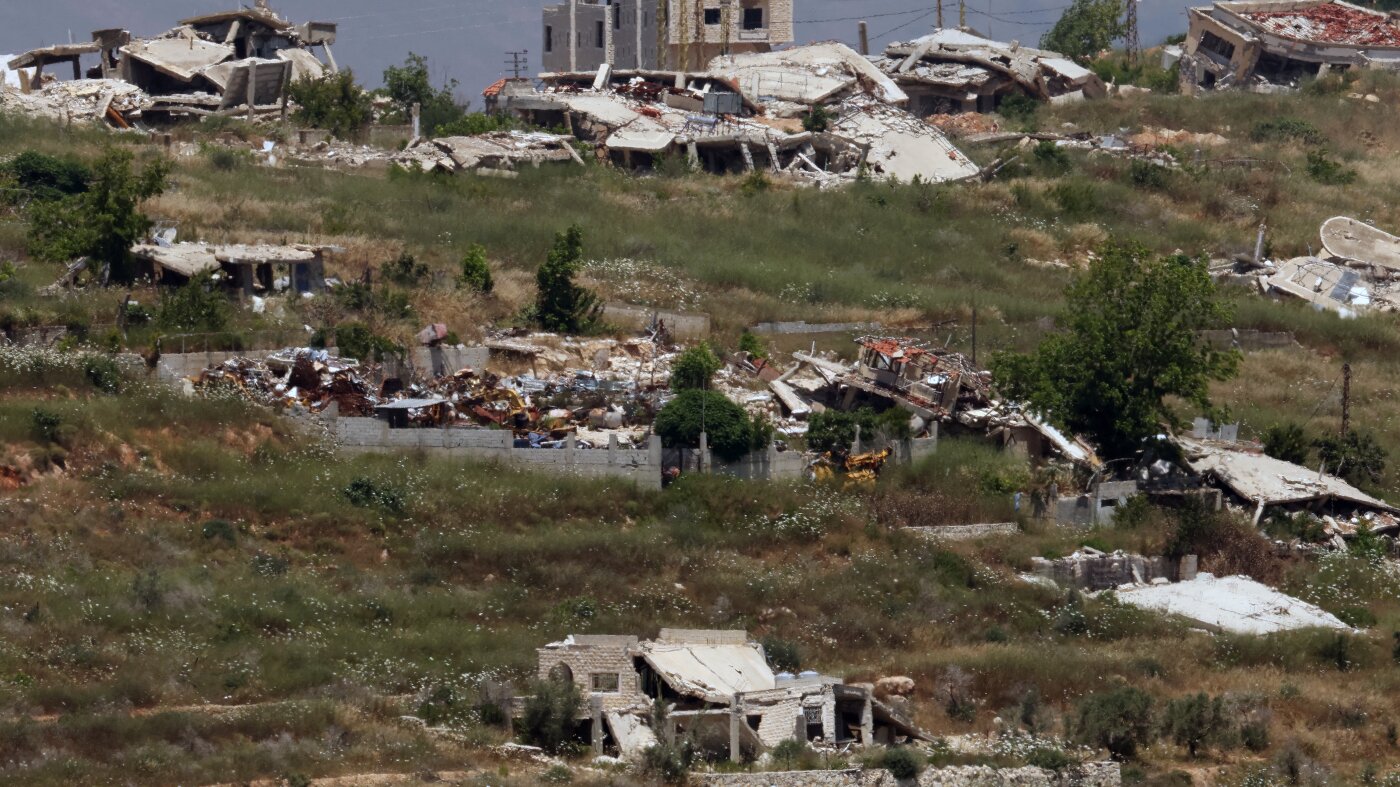
A U.S.-Iran agreement aimed at stopping fighting across the region faces an immediate test in Lebanon, where Israel’s position on southern Lebanon leaves the terms of any cease-fire unclear. NPR reported that the framework is meant to include the Israel-Lebanon border, a front where civilians have lived with war and its aftermath.
Israel’s ambassador to the United States told NPR on Tuesday that Israel would not withdraw from southern Lebanon. That statement has raised questions about how the agreement would apply on the ground, according to NPR’s Morning Edition.
Tracy Chamoun, Lebanon’s former ambassador to Jordan, told NPR from Beirut on Thursday that she believes Israel’s goals in Lebanon extend past its fight with Hezbollah. Chamoun said Israel has signaled interest in taking territory in southern Lebanon, not only addressing the presence of the Iran-backed group.
Chamoun described an Israeli security area that she said reaches roughly 10 kilometers inside Lebanon, and said Israeli forces had moved farther than that. She told NPR the areas involved include places connected to future energy resources and access to the Litani River.
Her assessment points to a wider Lebanese concern: that the cease-fire question is tied to sovereignty as well as militia disarmament. Chamoun said any foreign military presence inside Lebanon would breach the country’s sovereignty and make a lasting cease-fire harder to secure.
What Chamoun says a cease-fire would require
Chamoun told NPR the first step, in her view, would be for Israel to pull back to what Israel calls its security zone. She said that would reduce the area under Israeli occupation from about a quarter of Lebanese territory to about 6%.
After such a pullback, Chamoun said Lebanon and Israel could hold talks over the border. She also said Hezbollah’s disarmament should be handled as part of a broader Lebanese national defense strategy.
NPR framed the interview around whether Israel’s offensive in Lebanon could undermine the U.S.-Iran agreement. Chamoun’s remarks suggested that, for Lebanon, the deal cannot be measured only by whether fighting slows; it also depends on where troops remain and what political process follows.
The agreement’s practical meaning in Lebanon remains unsettled, based on the positions described to NPR. Israel’s stated refusal to withdraw and Chamoun’s call for a pullback leave a gap between the regional framework and the conditions she says are needed for a durable cease-fire.
This story draws on original reporting from NPR.