
Rand Paul Fauci contempt vote planned after Senate hearing
Sen. Rand Paul plans a contempt vote after Anthony Fauci took the Fifth, while NPR reports a new asylum rule will bypass some interviews.
By James Whitfield · Staff Writer
3 min read
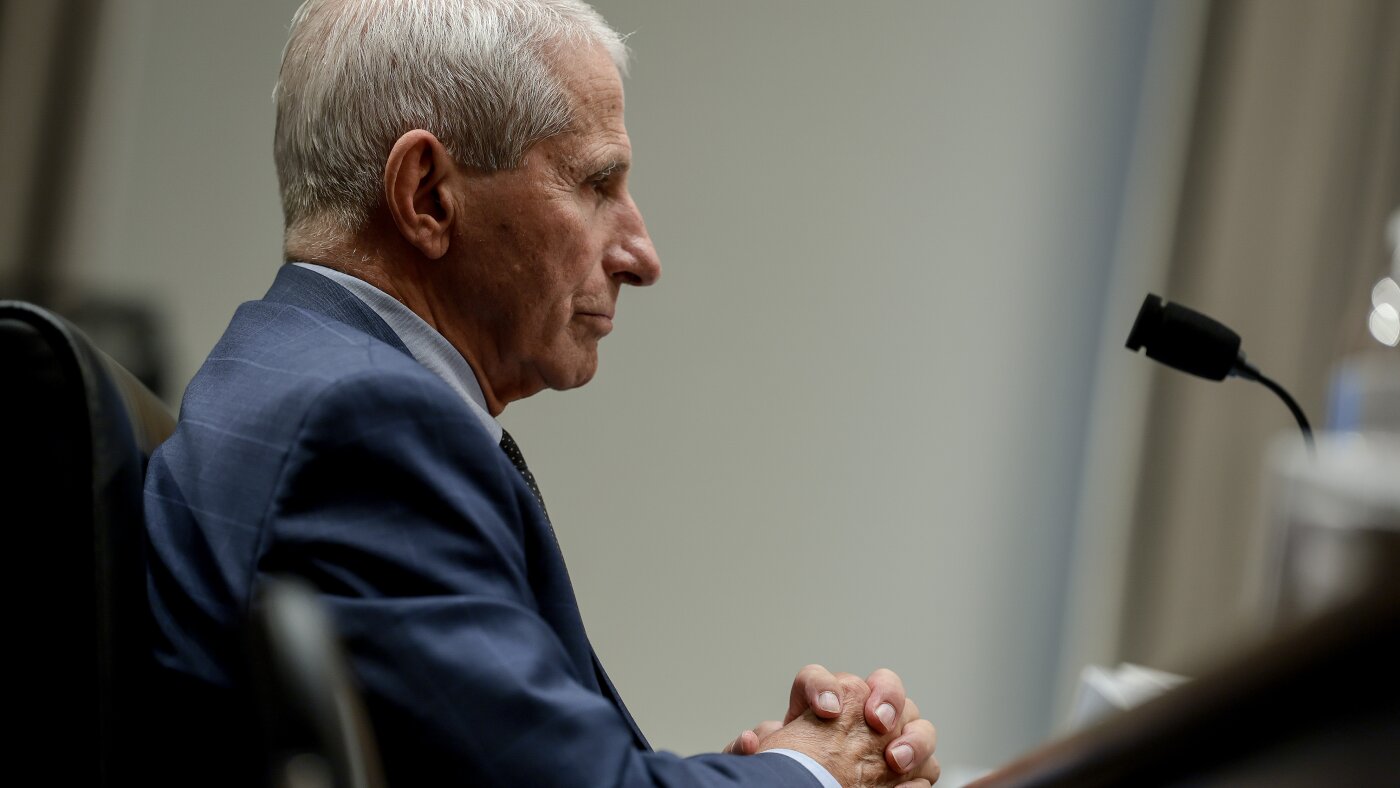
Sen. Rand Paul is seeking a Rand Paul Fauci contempt vote after Dr. Anthony Fauci declined to answer questions at a Senate committee hearing on July 29, NPR reported. The dispute matters because a contempt finding could expose Fauci to penalties, while other Trump administration actions reported by NPR are tightening access to asylum and Medicare drug-plan subsidies.
Paul, a Kentucky Republican, has clashed with Fauci for years over the origins of COVID-19, according to NPR. Fauci, who served as the nation’s top infectious disease official during the pandemic, invoked his Fifth Amendment rights and did not answer questions about the pandemic at the hearing.
Days before the hearing, Paul released more than 1,000 pages from Fauci’s private pandemic-era diary, NPR reported. Paul accused Fauci of concealing the truth about where COVID-19 came from.
Can Fauci be held in contempt of Congress?
Paul plans to hold a vote next week on whether to hold Fauci in contempt of Congress, NPR’s Ari Daniel reported. NPR said such a step could lead to fines or jail time.
Invoking the Fifth Amendment means a witness declines to answer on constitutional grounds. Daniel told NPR’s Up First that taking the Fifth is not the same as admitting misconduct.
NPR reported that before leaving office, President Biden gave Fauci a broad pardon covering the period from 2014 through early 2025. Experts told NPR that Fauci still could face perjury exposure if he made statements under oath that conflicted with earlier sworn testimony.
Georges Benjamin, who heads the American Public Health Association, told Daniel that the hearing, along with recent federal budget cuts, damages public health in the United States. Benjamin said evidence-based health policy could become harder to sustain if public officials fear being targeted in the way Fauci has been.
What is changing in the asylum process?
The Trump administration has also announced a change to asylum processing, NPR reported. Under the new rule, asylum officers can send some cases directly to immigration court without first holding an interview with a U.S. Citizenship and Immigration Services officer.
NPR reported that those interviews usually give asylum seekers a chance to make their case before officials decide whether the claim can proceed or should be referred to immigration court. The change comes as the administration has reduced routes for seeking asylum and narrowed eligibility for approval, according to NPR.
Asylum approval rates are now at their lowest point in at least 20 years, NPR reported. The shift also comes as hundreds of thousands of people expected to lose Temporary Protected Status look for other ways to remain in the United States, including asylum.
NPR’s Ximena Bustillo reported that problems can continue even for people who win asylum. She said new policies make some approved asylum recipients ineligible for safety-net benefits covering food, health care and small-business loans.
Bustillo also reported that asylum seekers still waiting for decisions may face delays in getting work permits. Because an asylum application does not itself grant legal status, those applicants can also face deportation, according to NPR.
Matt Joseph, a former asylum officer who now works with the Center for Gender and Refugee Studies, told Bustillo that the administration’s actions amount to a broad attack on asylum from several directions.
Medicare drug-plan subsidies are also set to end early
NPR also reported that the Trump administration is moving to end subsidies that have helped keep Medicare drug-plan premiums stable. The change could raise premiums for millions of beneficiaries next year, according to NPR.
The Inflation Reduction Act of 2022 capped Medicare patients’ out-of-pocket drug costs at $2,000 beginning in 2025, NPR reported. The Biden administration created subsidies to help insurers absorb the added financial risk and stabilize premiums through 2027, but NPR said the subsidies are now scheduled to stop a year early.
This story draws on original reporting from NPR.