
Pezeshkian says Iran does not trust talks with Washington
Iran’s president cited attacks and sanctions after past negotiations, while saying Tehran remains conditionally open to a settlement.
By James Whitfield · Staff Writer
2 min read
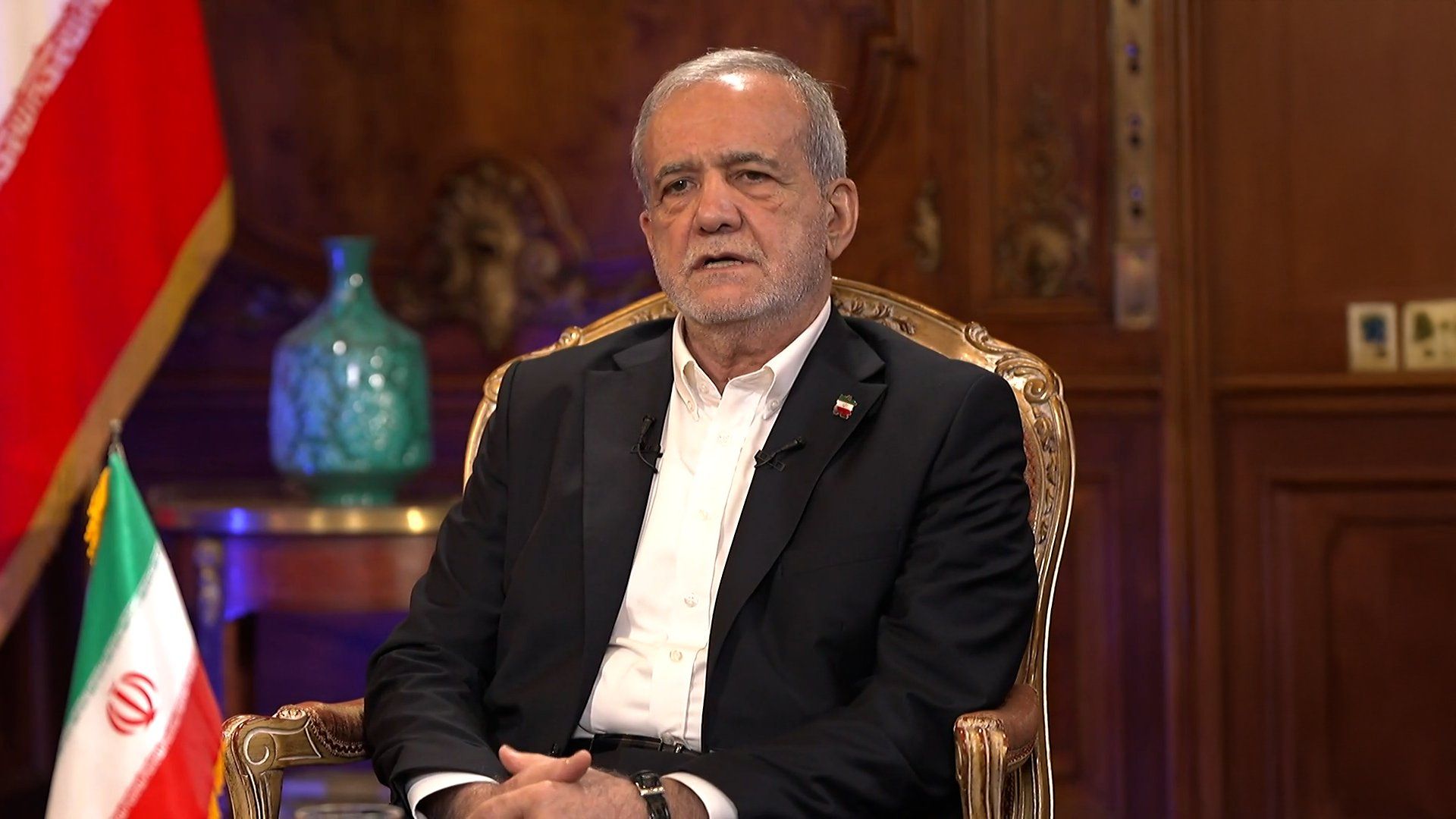
Iranian President Masoud Pezeshkian said Iran does not trust talks with Washington, arguing that earlier negotiations were followed by attacks and sanctions. The remarks come as Tehran has put forward a proposed seven-day process that it says could end fighting, reopen the Strait of Hormuz and lead to new US-Iran talks.
In an interview with Al Jazeera, Pezeshkian said Iran had no trust in the US side and questioned how an understanding could be reached. He said Iran’s view was shaped by the aftermath of previous rounds of negotiations.
His comments did not amount to a rejection of a negotiated settlement. Anadolu Agency reported that, in a separate interview with CBS News, Pezeshkian said Tehran remained open to resolving the dispute but that Washington would have to restore trust by keeping written commitments. He also said the United States would need to stop what he described as sanctions, threats and strikes.
What did Iran propose in the seven-day plan?
According to Al Jazeera, Pezeshkian and Foreign Minister Abbas Araghchi presented the proposal during their trip to the United States for the United Nations gathering of world leaders. The plan envisioned initial measures over four to five days, reopening the Strait of Hormuz on the sixth day, and talks with the United States on a final agreement on the seventh day.
Araghchi said those eventual negotiations would cover mutually agreed subjects, including Iran’s nuclear programme, Al Jazeera reported. The Strait of Hormuz is a strategically important waterway for energy and commercial shipping.
Under the reported Iranian proposal, Washington would lift its naval blockade of Iranian ports, waive sanctions on Iranian oil sales, release an estimated $12bn in Iranian assets that Tehran says are frozen, and observe a regional ceasefire. Iran, in return, would reopen the strait.
Those terms remain a proposal rather than an agreement. Al Jazeera reported that Tehran was awaiting Washington’s response; the supplied reporting does not include a direct US response.
How does Iran say talks could resume?
Pezeshkian said Qatar and Pakistan were passing Iranian messages to Washington. He said the proposed process rested on a memorandum of understanding the two sides reached in June, which he said had lapsed the previous month, and that the United States needed to clarify its position on it.
He also said the Hormuz dispute could be settled through negotiations rather than force and that commercial shipping would resume if talks brought the war to an end. Those are Pezeshkian’s stated conditions and assessment, not evidence that an agreement has been reached.
This story draws on original reporting from Al Jazeera.