
Pakistan strikes Afghanistan after Karachi attack as doubts grow
Islamabad says it hit armed-group sites after a deadly Karachi raid, while analysts say cross-border force has not stopped attacks in Pakistan.
By Sofia Marchetti · World Affairs Correspondent
4 min read
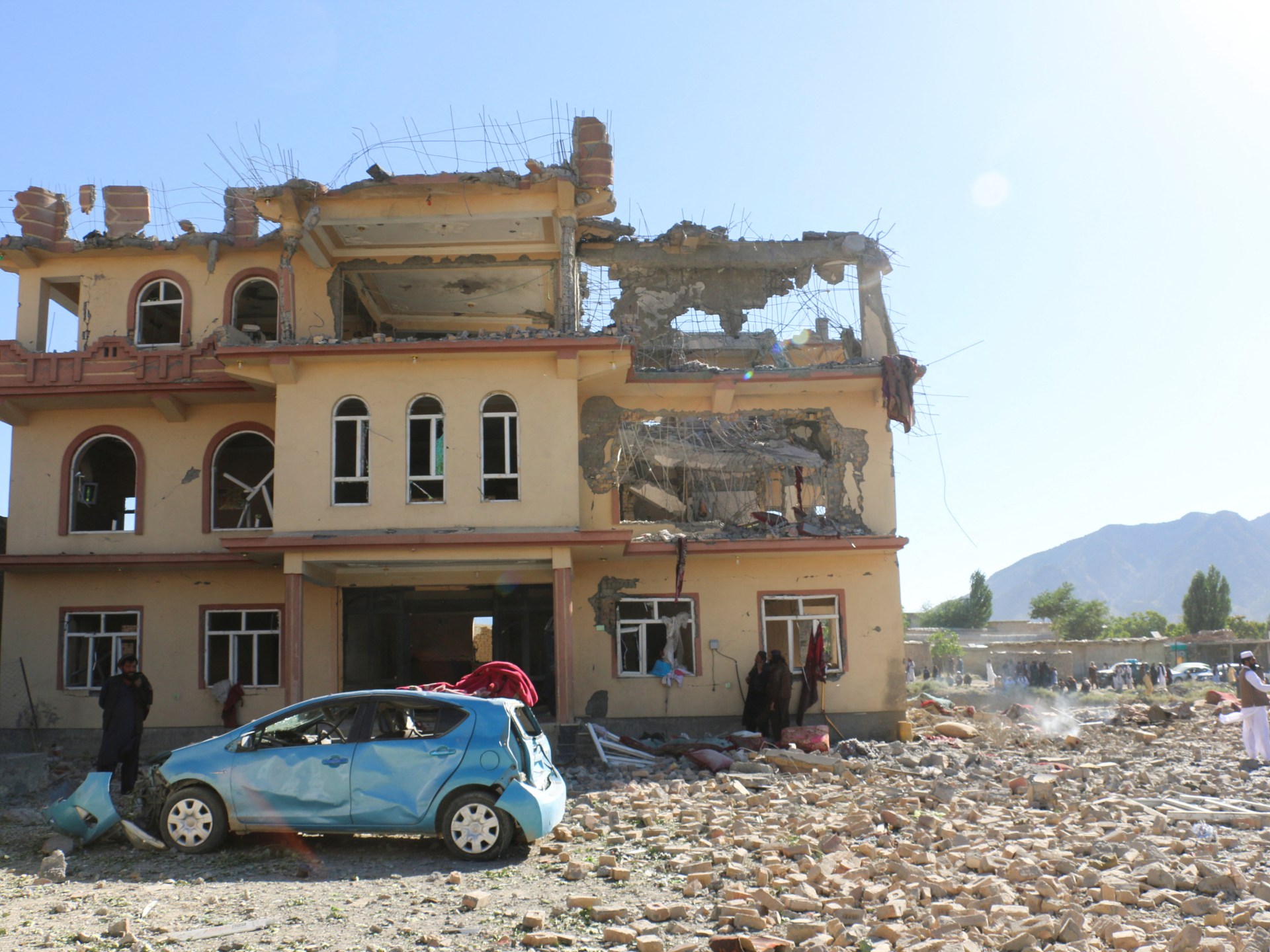
Pakistan carried out air strikes in Afghanistan after a deadly attack on a paramilitary base in Karachi, escalating a cycle of cross-border violence that has strained ties with the Taliban government in Kabul. Al Jazeera reported that analysts see little evidence that Islamabad’s mix of strikes, deportations and diplomacy has curbed armed attacks inside Pakistan.
Pakistan’s Information Minister Attaullah Tarar said on X that security forces hit targets in Paktia, Paktika and Kunar provinces overnight, claiming 25 fighters were killed. He also said a ground operation in Bajaur, in Khyber Pakhtunkhwa province, killed several Jamaat-ul-Ahrar members, including a senior commander, and destroyed weapons and ammunition.
The strikes followed a June 27 assault on a Sindh Rangers compound in Karachi’s Gulistan-i-Jauhar area. Al Jazeera reported that three paramilitary personnel were killed, four others were wounded, three attackers died in return fire and one attacker was captured alive.
Jamaat-ul-Ahrar claimed responsibility for the Karachi attack, according to Al Jazeera. The group is a faction of Tehreek-e-Taliban Pakistan, or TTP, which Pakistan blames for many major attacks in recent years.
Diplomatic clash with Kabul
Pakistan’s Foreign Office spokesman Tahir Andrabi said Afghanistan’s charge d’affaires was issued a demarche in Islamabad, while Pakistan’s ambassador delivered a separate formal protest to Afghanistan’s Ministry of Foreign Affairs in Kabul. Andrabi said Afghan territory and Afghan nationals were still being used to plan attacks inside Pakistan.
The Taliban government in Kabul rejected Pakistan’s account of the strikes and said civilians were killed. Taliban spokesman Zabihullah Mujahid posted images of wounded children and accused Pakistan of hitting residential areas, while Al Jazeera said the claims from both governments could not be independently verified.
Pakistani security sources identified the captured Karachi attacker as Usman Ali, an Afghan national from Jalalabad in Nangarhar province, according to Al Jazeera. Investigators said he told authorities that the attackers entered Pakistan seven days before the raid.
Al Jazeera reported that the United Nations Security Council has described Jamaat-ul-Ahrar as based in Nangarhar. Karachi had not seen an attack on a similar scale since February 2023, when TTP fighters attacked the Karachi Police Office and killed four people, according to the report.
Analysts question the strategy
Ihsanullah Tipu Maseed, an expert on armed groups in the Afghanistan-Pakistan region, told Al Jazeera that Jamaat-ul-Ahrar appeared to be showing it could still mount major attacks independent of the TTP. He said armed groups compete internally to show capability to supporters and recruits.
Al Jazeera reported that Jamaat-ul-Ahrar split from the TTP in 2014, rejoined in 2020 and moved toward semi-independence again by early 2025. The group has been linked to the 2016 Easter bombing in Lahore that killed more than 70 people and a November 2025 suicide bombing at Islamabad’s district court complex that killed 12, according to the report.
The Pak Institute for Peace Studies said Pakistan recorded 699 attacks in 2025, up 34 percent from the previous year, with at least 1,034 people killed and 1,366 wounded. The institute said more than 95 percent of attacks were concentrated in Khyber Pakhtunkhwa and Balochistan.
Since February, Pakistan has conducted Operation Ghazab Lil Haq, a campaign that Al Jazeera said has included air strikes, artillery exchanges and ground operations across eastern Afghanistan. Islamabad has also deported close to one million Afghans since September 2023 and held several rounds of talks with the Taliban government, including negotiations in Urumqi in April, according to Al Jazeera.
Maseed told Al Jazeera that Pakistan relies too heavily on force while leaving governance problems unresolved. Ibraheem Bahiss of the International Crisis Group said Pakistan’s pressure campaign rests on the debated assumption that a Taliban crackdown would reduce violence in Pakistan.
Al Jazeera reported that UN figures show at least 372 Afghan civilians were killed and 397 wounded in Pakistani strikes during the first three months of 2026. Sami Yousafzai, a journalist and Afghan affairs analyst, told Al Jazeera that civilian deaths are helping the Taliban frame Pakistan as an aggressor and could create long-term costs for Islamabad.
This story draws on original reporting from Al Jazeera.