
Oil climbs as US-Iran fighting disrupts Hormuz shipping
Brent crude rose more than 4% after new US strikes on Iran and Iranian attacks around the Gulf raised fears over Strait of Hormuz traffic.
By Sofia Marchetti · World Affairs Correspondent
3 min read
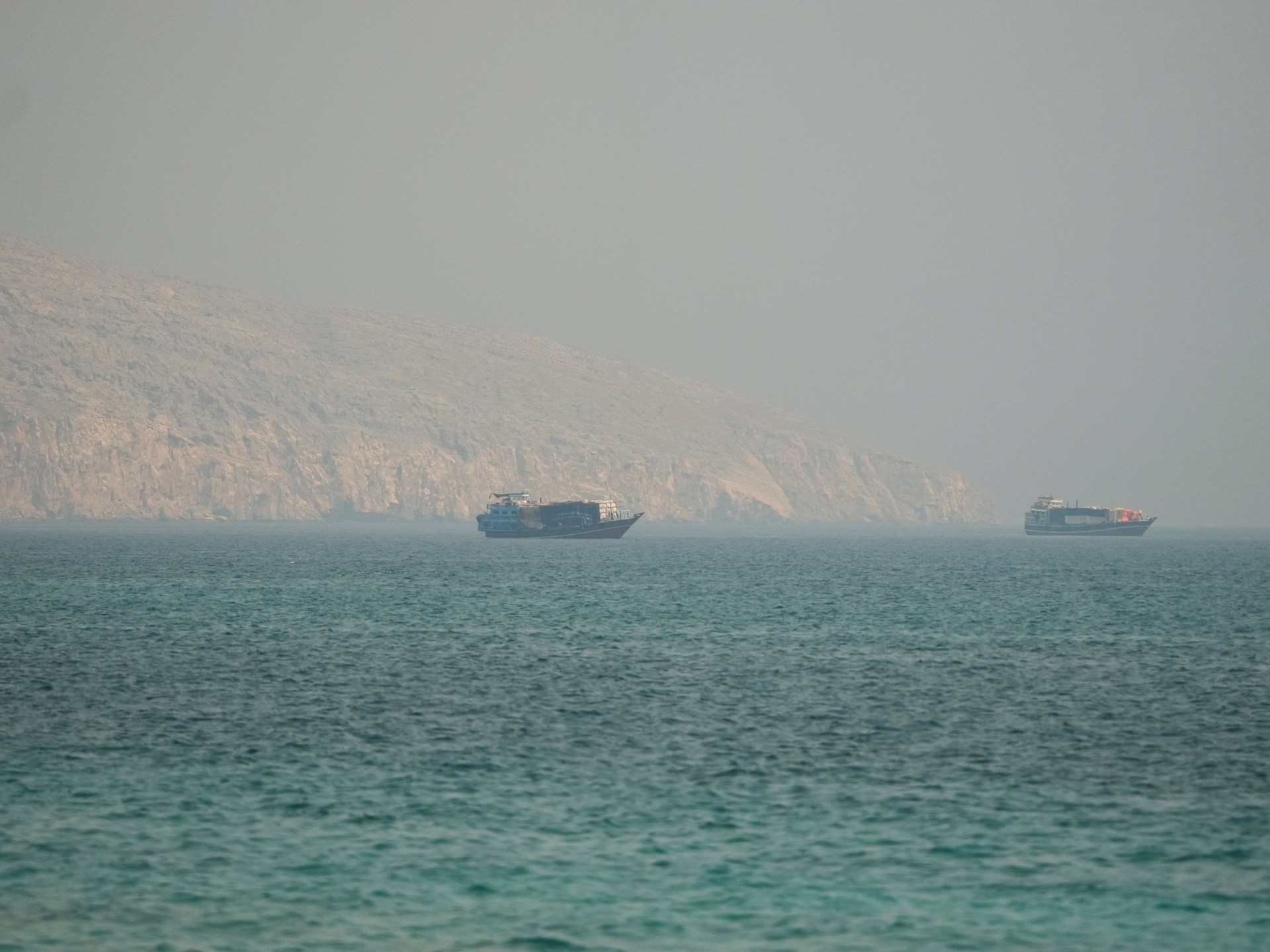
Oil prices rose Monday as renewed fighting between the United States and Iran deepened fears over shipping through the Strait of Hormuz. The waterway matters to energy markets because, according to Al Jazeera, about one-fifth of global oil trade moves through it in peacetime.
Brent crude, the main international benchmark, gained more than 4%, Al Jazeera reported. September Brent futures were at $79.29 a barrel at 02:00 GMT, their highest level since June 22, according to the report.
The move followed another round of military action around the strait. US Central Command said Sunday that American forces had conducted dozens of strikes in Iran aimed at reducing Tehran’s ability to attack ships using the waterway.
CENTCOM said those strikes came after an earlier wave against hundreds of targets in Iran. The command said US forces had acted after accusing Iranian forces of attacking the MV GFS Galaxy, a Cyprus-flagged container ship, as it passed through the strait.
CENTCOM said Iran does not control the Strait of Hormuz and said US forces were prepared to keep commercial shipping able to use the route. The US military described Iran’s conduct as aggression and harassment, according to Al Jazeera.
Iranian forces responded Sunday with missile and drone attacks against the United Arab Emirates, Qatar, Kuwait, Oman and Bahrain, Al Jazeera reported. The attacks came after the US strikes, according to the report.
Iran’s Persian Gulf Strait Authority has claimed the right to direct traffic through the Strait of Hormuz. The authority said ships that do not use its preferred route would not receive safe-passage guarantees, and that ship owners, operators and commanders would bear responsibility for the consequences of using other routes.
Shipping through the strait has fallen sharply since fighting resumed, according to maritime intelligence platform Windward. Al Jazeera reported that traffic had briefly increased after Washington and Tehran signed a memorandum of understanding on ending the war last month.
Windward tracked six vessels crossing the strait between 18:00 GMT Thursday and 06:00 GMT Friday, compared with 18 to 22 daily crossings earlier in July. The firm tracked nine vessels in the waterway between 18:00 GMT Saturday and 06:00 GMT Sunday, four of them Iranian-flagged.
Before the war began, about 130 vessels used the strait each day, according to Al Jazeera. The collapse in traffic shows how quickly the military confrontation has affected a route central to oil and commercial shipping.
Oil prices had returned to pre-conflict levels after the June 17 memorandum, Al Jazeera reported. They are now about 9% above levels seen before the US and Israel launched their first strikes on Iran in late February, according to the report.
Mukesh Sahdev, founder and chief oil analyst at XAnalysts in Sydney, said in a Saturday note to clients that he expects Brent to stay in the upper $70s a barrel during August and September because of the heightened geopolitical risk. He said prices could move outside that range at times.
Sahdev said refiners must make supply decisions weeks ahead because of long-haul procurement. He said those decisions have already cut near-term dependence on Middle Eastern supply, and that the latest escalation is likely to strengthen that shift.
This story draws on original reporting from Al Jazeera.