
US-Iran fighting shifts to Hormuz as ceasefire falls apart
Renewed US-Iran attacks have centered on the Strait of Hormuz, raising oil-market pressure while diplomats try to keep talks alive.
By Sofia Marchetti · World Affairs Correspondent
3 min read
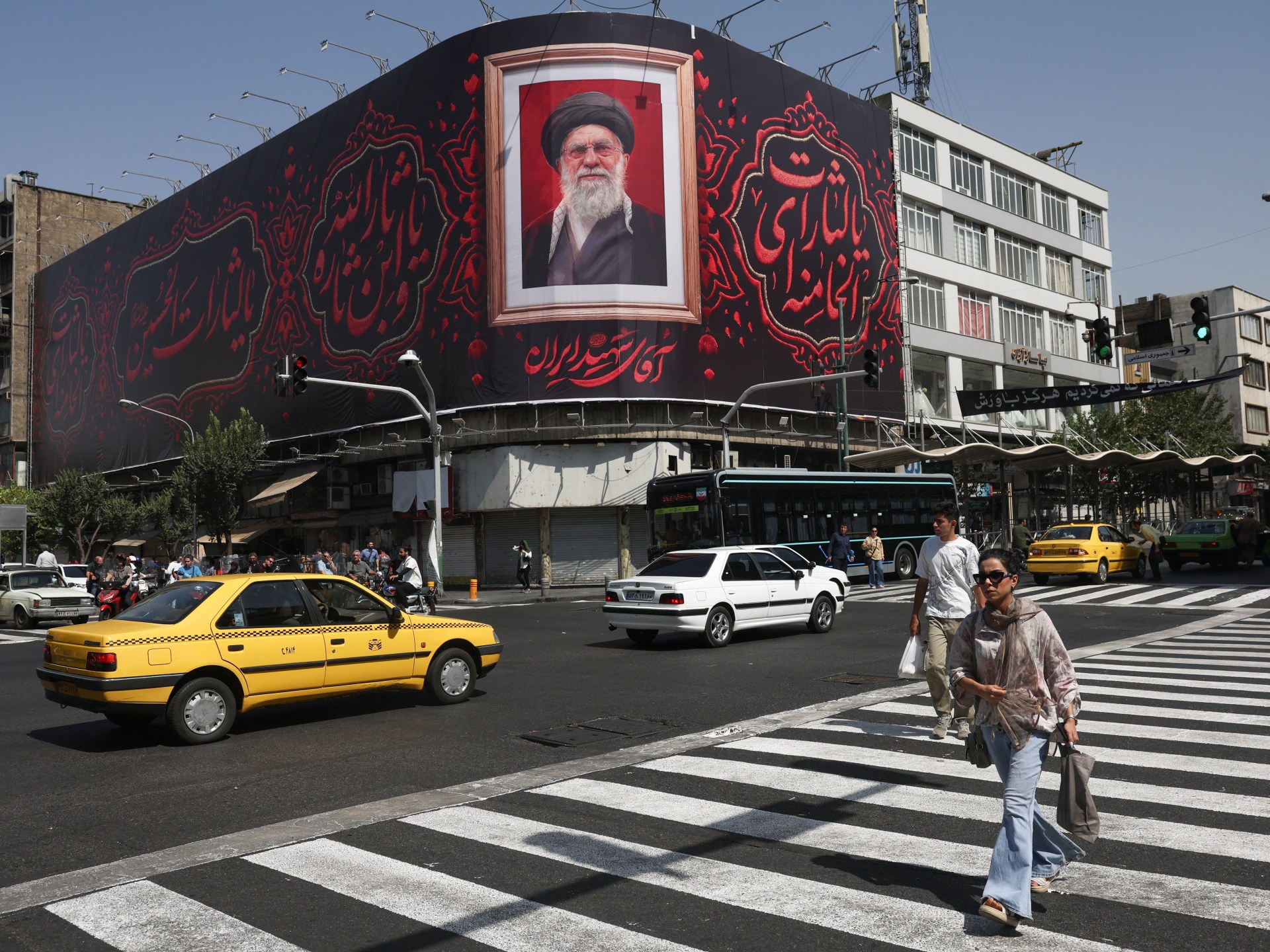
The United States and Iran have resumed direct attacks after an April ceasefire collapsed, with the latest fighting focused heavily on the Strait of Hormuz. Al Jazeera reported that the waterway’s closure by Tehran has pushed up oil prices, hit markets and triggered air raid alarms in Gulf countries.
The renewed escalation began after Iran’s Islamic Revolutionary Guard Corps struck three commercial ships off Oman on July 6, including a Qatari liquefied natural gas tanker, according to Al Jazeera. The United States said it answered with strikes on Iranian military targets the next day, and Tehran responded with missiles and drones aimed at Gulf bases used by US forces.
US President Donald Trump said on Wednesday that the ceasefire was “over,” Al Jazeera reported. Iranian Supreme Leader Mojtaba Khamenei said, “Revenge is the will of the nation.”
How the ceasefire broke down
The IRGC closed the Strait of Hormuz after accusing Washington of interfering with control of the waterway by helping set up alternative transit routes, according to Al Jazeera. The closure turned the narrow passage into the main point of conflict.
Washington has carried out deadly strikes on several Iranian cities, most of them in southern Iran near Hormuz, Al Jazeera reported. Iran has attacked Bahrain, Kuwait, Oman, Jordan and Qatar, and has carried out additional attacks on ships in the strait, according to the outlet.
In a breaking update, Al Jazeera reported that the US military said its latest wave of attacks on Iran had ended. The outlet also reported that a US strike on a water pumping station in Mahshar killed one person and wounded four.
What is different from March
Analysts told Al Jazeera that the conflict is moving from reciprocal strikes toward more sustained combat, but still within a narrower zone than the first phase of the war. In late February and March, the United States and Israel waged a broad air campaign across Iranian cities, and Al Jazeera reported that Supreme Leader Ali Khamenei was killed in Tehran on the war’s first day.
The earlier phase included wider attacks on civilian, energy and transport targets, according to Al Jazeera. The outlet reported that a US strike on a school in Minab killed nearly 120 civilians, Iranian projectiles hit Dubai landmarks including the Fairmont The Palm hotel, and airports across the region suspended operations.
The current round has so far been more limited in target selection, Al Jazeera reported, with both sides mostly avoiding civilian and energy infrastructure. The fighting appears tied to pressure over Hormuz, rather than the earlier stated US and Israeli goals of weakening Iran’s military command and nuclear capacity.
Israel has also not openly joined the latest US attacks on Iran, Al Jazeera reported. Israel was a central participant when the war began, while a June memorandum of understanding mediated by Islamabad called for hostilities to end on all fronts, including in Lebanon.
Diplomacy continues under strain
Trump said both sides would keep talking even as he declared the ceasefire over, according to Al Jazeera. Qatar and Pakistan are trying to contain the fighting through back-channel diplomacy, the outlet reported.
Paul Musgrave, an associate professor of government at Georgetown University in Qatar, told Al Jazeera that diplomacy is probably still under way despite the attacks. He said both governments are testing each other’s limits, adding that Iran’s aims appear to have expanded while US goals have narrowed.
The renewed fighting could also raise legal and political problems for Trump in Washington. Al Jazeera noted that the War Powers Act requires congressional authorization 60 days after hostilities begin, and reported that Trump avoided that deadline during the earlier phase by saying the war had ended when the April ceasefire began.
This story draws on original reporting from Al Jazeera.