
Japan moves to centralise intelligence after decades of US reliance
New legislation would reshape Japan’s intelligence system as Tokyo cites threats from China, Russia and North Korea.
By Daniel Okafor · Business Editor
4 min read
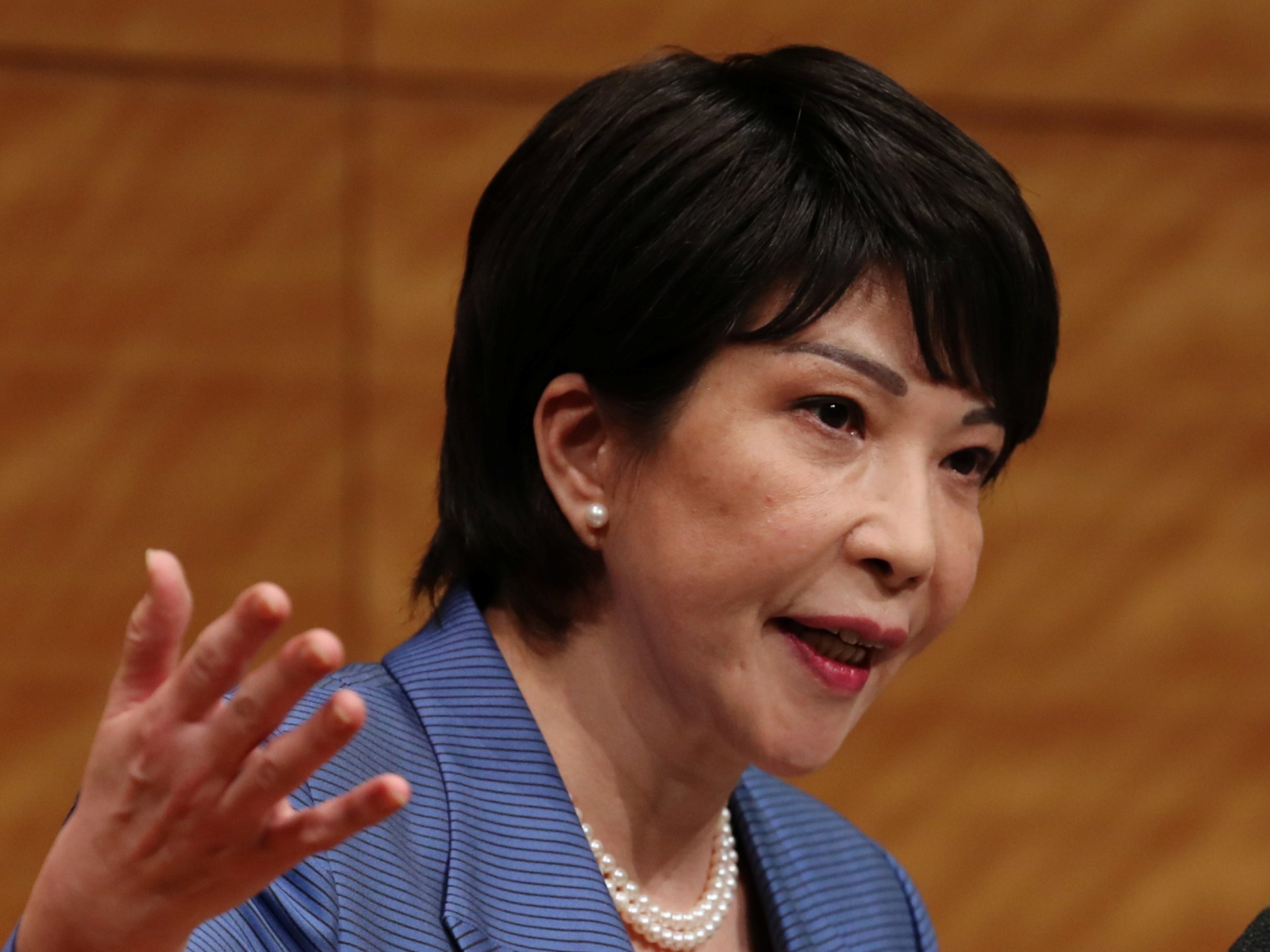
Japan is setting up its first centralised intelligence agency since World War II, a shift Prime Minister Sanae Takaichi says is meant to strengthen the country’s ability to detect espionage, foreign interference and other threats. Al Jazeera reported that the legislation passed the upper house of the National Diet in May after clearing the lower house in April.
The move marks a break from Japan’s postwar security model, under which Tokyo kept a pacifist constitution and depended heavily on intelligence support from the United States. Takaichi described the law as “a first step” toward improving Japan’s espionage capabilities, according to Al Jazeera.
What the new structure does
Al Jazeera reported that the law creates two entities: a National Intelligence Council to direct intelligence gathering and analysis across government, and a separate operational agency. The overhaul turns the existing Cabinet Intelligence and Research Office, known as CIRO, into a centralised National Intelligence Council and National Intelligence Bureau.
The plan does not replicate the US Central Intelligence Agency, according to Ken Kotani, a Nihon University professor cited by Al Jazeera. Kotani said he expects the Japanese system to follow its own model.
The New York Times reported, as cited by Al Jazeera, that Western partners including the United States, Germany and Australia have advised Japan on the new agency. Sanshiro Hosaka, a research fellow at the International Centre for Defence and Security in Estonia, told Al Jazeera the reform is designed to improve coordination, lower barriers between agencies and make intelligence products more useful to policymakers.
Why Tokyo is acting now
Tokyo says it faces threats from nearby states including China, Russia and North Korea, according to Al Jazeera. Kotani told the outlet that Japan largely followed US foreign and security policy during the Cold War but has increasingly tried to shape its own approach, especially during Donald Trump’s presidency.
Trump has repeatedly accused US allies of spending too little on their own defence and relying too much on Washington, Al Jazeera reported. Kotani said that pressure helps explain why Japan now sees a need to gather more intelligence on its own.
Experts cited by Al Jazeera said Japan’s current system has weak points. Kotani said CIRO lacked a strong legal mandate when it was created in 1952, leaving it with limited political authority. Al Jazeera also reported that Japan lacks an antiespionage law, making it difficult to punish some foreign intelligence activity.
Hosaka told Al Jazeera that former Russian intelligence officers Stanislav Levchenko and Konstantin Preobrazhensky described Japan as a “paradise for spies.” He said Soviet intelligence targeted Japanese technology, business information and US bases in Japan during the Cold War, and that Japan remains a target for China, Russia, North Korea and others because of its technology sector and its role as a major US ally in Asia.
Security push draws scrutiny
Takaichi, who took office in October, has expanded Japan’s military and security agenda, according to Al Jazeera. In December, her cabinet approved a $58bn defence budget, the country’s largest, and the Ministry of Defence said more than $600m would go toward a drone and laser shield for the southwest.
Al Jazeera reported that Takaichi’s cabinet in April moved closer to ending a long-running ban on exports of lethal weapons such as tanks and warships. The security shift prompted antiwar demonstrations in May, though a Jiji opinion poll in April found 19 percent opposed the intelligence reform bill, about 40 percent indifferent and the remainder supportive.
Japan’s history makes state surveillance sensitive. Al Jazeera reported that the wartime Special Higher Police, or Tokko, monitored, arrested and tortured people over political beliefs, leaving lasting distrust after Japan’s World War II defeat. Article 9 of the 1947 constitution renounced war, and Japan did not create a foreign intelligence service after the war.
Hosaka told Al Jazeera the new law does not by itself create major new powers for intelligence collection or counterintelligence. He said Japan also needs laws to make foreign lobbying more transparent and to support undercover investigations using assumed identities.
This story draws on original reporting from Al Jazeera.