
Marine insurance costs jump on Hormuz and Red Sea disruptions
War-risk premiums are rising as attacks and blockades cut traffic through two major shipping chokepoints, according to Al Jazeera and S&P Global.
By Lucas Ferreira · Science & Environment Writer
4 min read
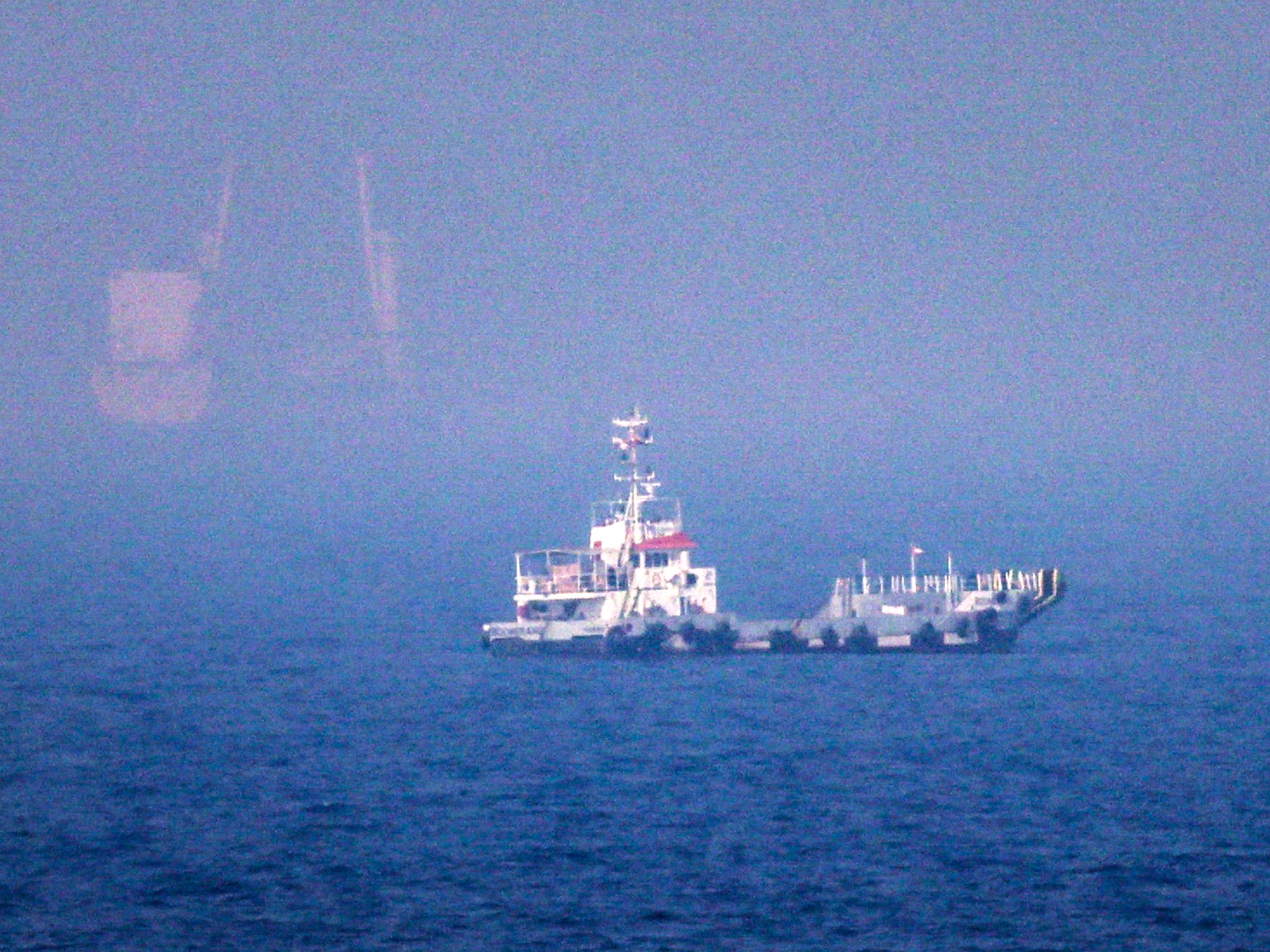
Marine insurers are charging sharply higher prices for vessels using the Strait of Hormuz and are also lifting rates for ships near the Bab al-Mandeb, according to Al Jazeera and S&P Global. The increases matter because both waterways carry energy and cargo through routes that are now caught in expanding regional conflict.
Al Jazeera reported that Yemen’s Iran-aligned Houthi movement announced a blockade of Saudi ports and ships in the Bab al-Mandeb this week. That move came alongside continuing disruption in the Strait of Hormuz, where Iran has said ships must consult Tehran before passing and the United States has imposed a naval blockade on Iran-linked vessels, according to Al Jazeera.
Hormuz traffic falls as risk premiums rise
Iran’s Islamic Revolutionary Guard Corps said Thursday that an explosion set a tanker on fire in the Strait of Hormuz after the vessel tried to use the southern route off Oman, according to Iranian media cited by Al Jazeera. The IRGC said two other ships turned around after the blast.
The IRGC claimed the three vessels were acting on US orders and were trying to pass through a mined route south of the strait, according to Al Jazeera. The force also said the waterway was under its control and warned that oil tankers would not enter or leave while US actions in the region continued.
Before the war, Al Jazeera reported, about 120 to 140 vessels crossed the Strait of Hormuz each day, including roughly 20 million barrels per day moved by oil tankers. At the height of the conflict involving the US, Israel and Iran, tanker traffic fell to as few as two vessels a day, according to Al Jazeera.
S&P Global data showed 10 vessels passed through the strait on Tuesday, down from 16 on Monday, Al Jazeera reported. The decline has pushed war-risk insurance costs far above earlier levels.
A report from S&P Global said war-risk cover for ships using the Strait of Hormuz previously cost 1 percent to 3 percent of a vessel’s hull value. Those premiums have risen to 7.5 percent to 10 percent, according to the report.
S&P Global said the cost to move crude from the Gulf to China stood at $77.96 per metric tonne on Wednesday for a 270,000-metric-tonne cargo. Al Jazeera reported that the rate was unchanged from Monday but above the earlier level of $73.80 per metric tonne.
The current rate is about four times the five-year average of $18.91 per metric tonne, according to S&P Global. Al Jazeera reported that the price peaked near $140 per metric tonne in March and fell to a little above $60 in early June.
At Wednesday’s rate, insuring a 270,000-metric-tonne tanker could cost about $21 million, according to Al Jazeera’s calculation. The US and Iran signed a memorandum of understanding on June 17 to extend a ceasefire and continue talks, and Al Jazeera reported that large-scale hostilities eased until the second week of July before resuming.
Houthi attacks hit Red Sea shipping
The Bab al-Mandeb links the Red Sea to the Indian Ocean through the Gulf of Aden, according to Al Jazeera. The strait sits between Yemen and the Horn of Africa and narrows to 29km, or 18 miles, leaving two shipping channels for inbound and outbound traffic.
The Houthis announced a naval blockade against Saudi Arabia on Monday, according to Al Jazeera. On Thursday, the group claimed an operation against two Saudi oil tankers in the Red Sea, the Encelia and the Layla, and Saudi Arabia’s SPA news agency confirmed that the Encelia was hit.
The Houthis said they used cruise missiles, ballistic missiles and drones in the attack, according to Al Jazeera. The group described the action as retaliation for what it calls a Saudi siege of Yemen, while Riyadh rejects the accusation, Al Jazeera reported.
S&P Global said crossings through Bab al-Mandeb fell 30 percent on Tuesday, from 41 vessels on Monday to 29. Marcus Baker, global head of marine, cargo and logistics at Marsh, told S&P Global that insurers are charging somewhat more for Red Sea risk, though the increase remains smaller than in the Strait of Hormuz.
S&P Global said premiums for ships using Bab al-Mandeb are now about 0.5 percent of hull value. For vessels passing through the Red Sea near western Saudi Arabia, away from Houthi range and toward the Suez Canal, premiums are about 0.1 percent, according to the report.
This story draws on original reporting from Al Jazeera.