
Laikipia Ebola centre protests revive Kenya land grievances
A planned US quarantine site in Nanyuki has sparked deadly protests and renewed debate over sovereignty, public consultation and colonial-era land claims.
By Sofia Marchetti · World Affairs Correspondent
3 min read
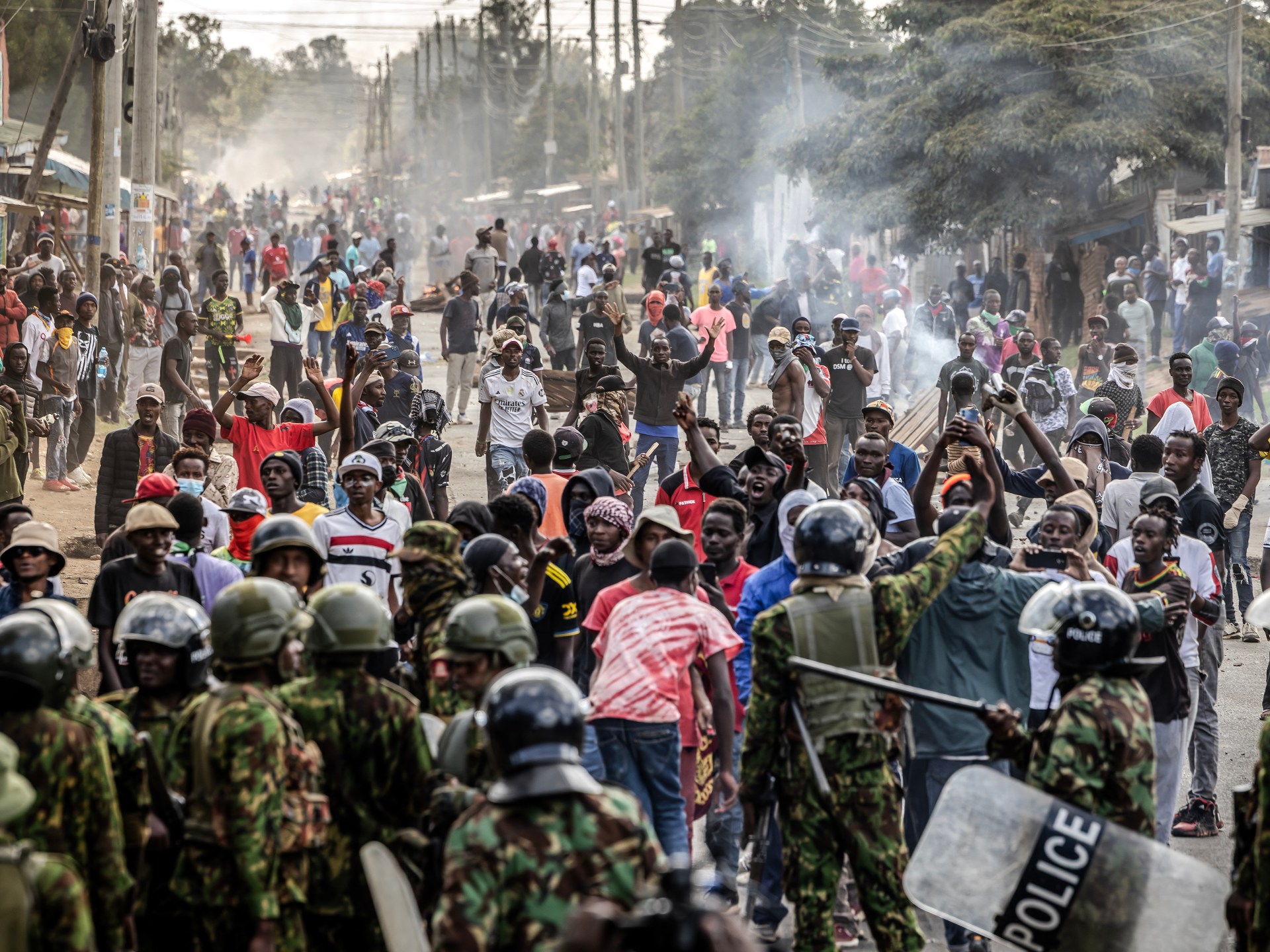
Deadly protests over a planned US Ebola quarantine centre in central Kenya have turned a health preparedness project into a broader fight over land, sovereignty and foreign influence. Al Jazeera reported that three people have been killed during separate demonstrations, including a 17-year-old schoolboy, while a court challenge has stopped construction.
The 50-bed facility is planned for Laikipia airbase in Nanyuki, according to Al Jazeera. US officials say it would quarantine American citizens who may have been exposed to Ebola during outbreaks in East and Central Africa.
Kenyan officials and supporters of the project describe it as a public health investment. Critics in Laikipia, however, say the plan has been pushed without adequate public participation and has revived older grievances over who controls land and strategic decisions in the county.
Colonial history shapes local anger
Al Jazeera reported that Laikipia’s opposition to the centre is tied to the county’s colonial history. Large sections of the area were once part of the White Highlands, where British colonial authorities reserved fertile land for European settlement.
Before colonial rule, Maasai, Samburu and other pastoralist communities moved seasonally across grazing areas in Laikipia, according to Al Jazeera. Historians cited by the outlet trace many current disputes to the 1904 and 1911 Maasai agreements, which helped move Maasai communities from parts of Laikipia and the Great Rift Valley as European settlement expanded.
David Kyule, a professor of history and archaeology at the University of Nairobi, told Al Jazeera that the long presence of settler families in Laikipia continues to affect how residents view foreign projects. He said some residents see the proposed quarantine centre as another example of Kenyan territory being used for outside strategic purposes.
Land tensions in the county have remained visible for years. Al Jazeera cited the 2021 shooting of conservationist and author Kuki Gallmann by cattle raiders on her Laikipia conservancy during a severe drought, when pastoralist communities were searching for pasture and water. Gallmann survived, but the dispute underscored conflict between large private ranches and herders with limited access to grazing land.
Government defends the project
The Kenyan government has defended the quarantine centre. Health Cabinet Secretary Aden Duale told Parliament on June 3 that the Public Health Act did not require public participation for the project, saying the government would not consult citizens over an epidemic response.
Those remarks drew new criticism from opponents. Kelvin Kubai, an advocate of the High Court of Kenya, told Al Jazeera that Articles 10 and 118 of Kenya’s Constitution make public participation a national value that should guide major government decisions.
Kubai compared the current dispute with the colonial-era Maasai agreements, telling Al Jazeera that Laikipia residents were unwilling to repeat what he described as a surrender of grazing land to foreign interests without public involvement.
US officials reject claims that the facility has a purpose beyond Ebola preparedness, according to Al Jazeera. The outlet reported that Kenya’s role as a regional transport and logistics hub, along with its security and health partnerships with Washington, has been cited as a reason for choosing the country.
Some activists and local leaders continue to question why a centre primarily meant for US citizens should be built in Kenya and whether Kenyans would have routine access to it during a domestic outbreak, Al Jazeera reported. The outlet said concerns have grown alongside wider debate over US and Chinese influence in Africa.
Marlin Ndegwa, a community leader in Nanyuki, told Al Jazeera that residents still want answers about why the project is proceeding despite public opposition. The death of the 17-year-old schoolboy has intensified that anger and turned the proposed facility into a flashpoint for unresolved disputes in Laikipia.
This story draws on original reporting from Al Jazeera.