
G7 pledges more air defence for Ukraine and new Russia sanctions
Leaders meeting in France said they would send more interceptors and systems to Kyiv while preparing tougher measures against Russian energy.
By James Whitfield · Staff Writer
3 min read
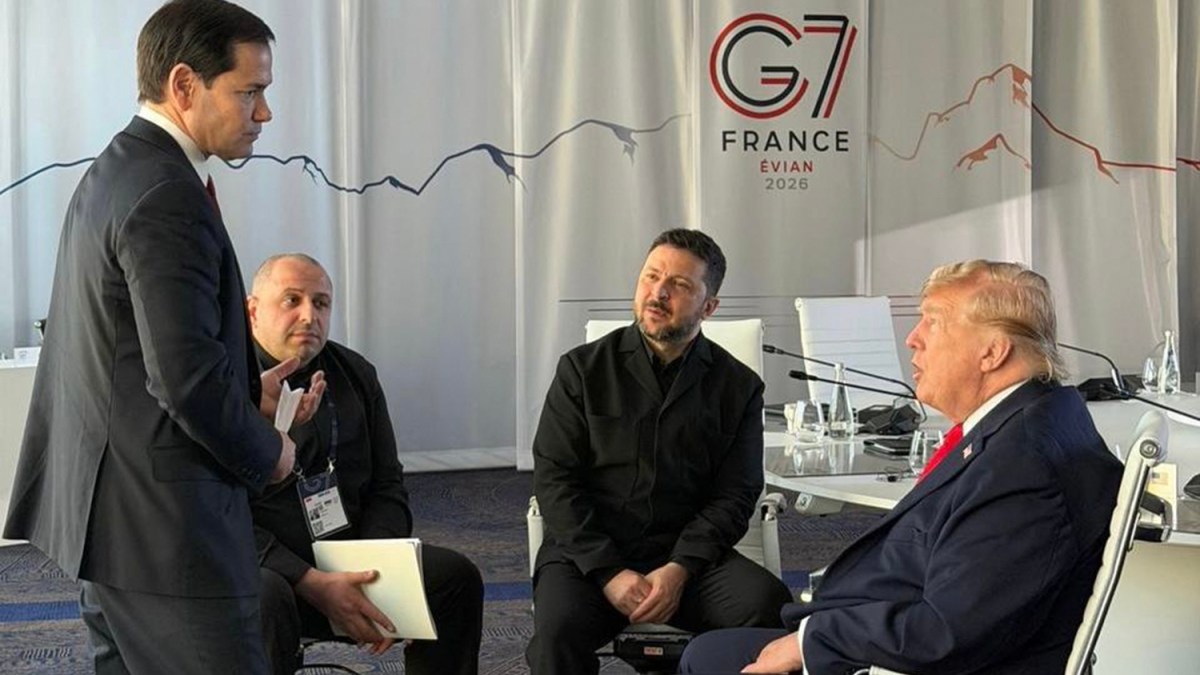
G7 leaders meeting in France pledged to expand Ukraine’s air defences and tighten sanctions on Russia’s energy sector, according to Al Jazeera and Reuters. The move is meant to help Kyiv counter Russian attacks while adding pressure on the Kremlin’s ability to fund the war.
In a statement issued Wednesday at the end of the summit in Evian, the leaders said they backed Ukraine’s defence of its sovereignty and territorial integrity. They agreed to speed up deliveries of air defence equipment, including additional systems, interceptor missiles and long-range capabilities.
The leaders also said they were prepared to consider licensing arrangements that would help Ukraine increase military production. The Group of Seven brings together Canada, France, Germany, Italy, Japan, the United Kingdom and the United States, with the European Union also taking part.
Ukrainian President Volodymyr Zelenskyy attended the summit on Tuesday and held separate talks with US President Donald Trump and Secretary of State Marco Rubio, Al Jazeera and Reuters reported. Zelenskyy has urged allies for more than a year to let Ukraine produce its own interceptors because of shortages of US anti-ballistic systems and interceptor missiles.
Zelenskyy said on X that the summit produced commitments on more air defence missiles, licences to make them, winter support and added pressure on Russia. He said the United States was ready to provide a “backstop” across those efforts and said the discussions now had to be carried out.
Energy sanctions and Hormuz
The G7 statement linked possible additional sanctions on Russian oil and gas to a US-Iran agreement to reopen the Strait of Hormuz. The leaders said they would raise pressure on Russia’s war economy and strengthen sanctions, including measures aimed at the oil and gas sectors.
Trump told reporters Tuesday that Russia should reach a deal and said he would try to help, according to Al Jazeera and Reuters. He also claimed he had settled eight wars, a claim the news organisations said has been widely disputed.
The G7 welcomed the US-Iran deal on the Strait of Hormuz, a key route for maritime trade. Britain and France offered help with efforts to resume shipping through the waterway.
In their statement, the leaders said transit passage without restrictions or tolls underpins global trade. They said a multinational defensive initiative led by France and the United Kingdom could help protect merchant ships, reassure shipping companies and support checks that mines had been removed.
Lebanon and critical minerals
The leaders also called for an immediate and robust ceasefire in Lebanon. They said such a pause would support Lebanese efforts to disarm Hezbollah, establish a state monopoly over weapons and protect Lebanon’s sovereignty and territorial integrity with suitable international security guarantees.
Later Wednesday, the summit agenda was set to shift to critical minerals and global economic imbalances, a focus of France’s G7 presidency. Diplomats told Al Jazeera and Reuters that France wanted partners to agree on language that could help Western countries reduce reliance on China and protect investors from countermeasures and dumping.
This story draws on original reporting from Al Jazeera.