
Kazakh oil drone attacks slow exports through Russia’s Black Sea port
Kazakhstan says drone strikes near Novorossiysk forced a halt in CPC oil shipments, raising risks for its budget and European refiners.
By Lucas Ferreira · Science & Environment Writer
3 min read
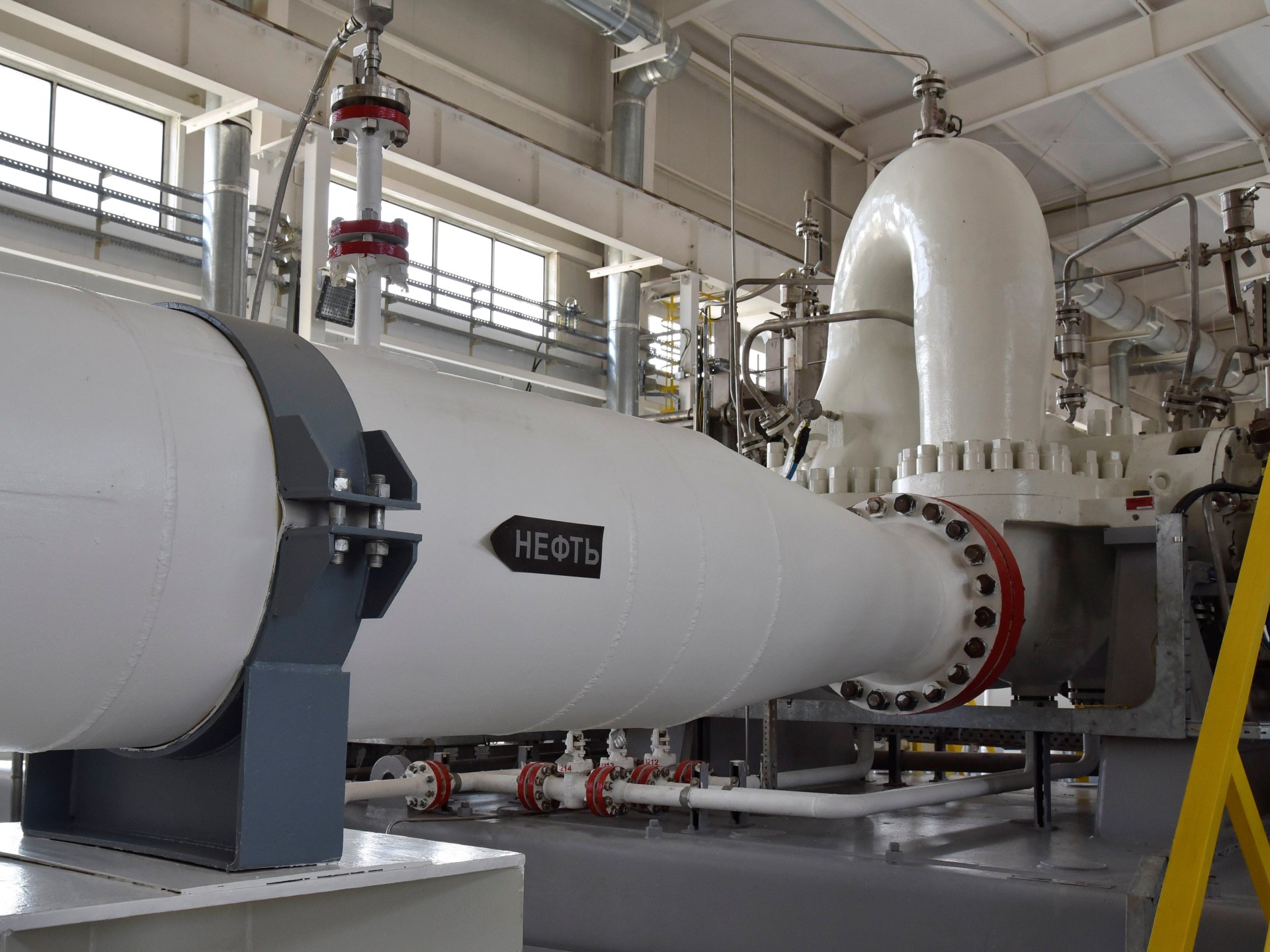
Kazakh oil drone attacks have slowed the country’s main export route, with Kazakhstan saying strikes near Russia’s Black Sea port of Novorossiysk forced a temporary halt in shipments. The disruption matters because the Caspian Pipeline Consortium route carries about 80 percent of Kazakhstan’s oil exports, according to Al Jazeera.
Kazakhstan’s Energy Ministry said Thursday that CPC oil loadings had been temporarily suspended and would restart after conditions returned to normal, Al Jazeera reported. Astana has blamed Ukraine for attacks on tankers carrying CPC crude and damage at the consortium’s marine terminal, while Ukraine’s ambassador to Kazakhstan, Viktor Mayko, said there was no proof the drones were Ukrainian and urged Kazakhstan to avoid what he called hasty accusations.
The dispute has landed as President Kassym-Jomart Tokayev publicly called for a freeze in the Russia-Ukraine war. Speaking Saturday beside Russian President Vladimir Putin in Omsk, Tokayev said it may be time to halt the fighting and return to an “Istanbul formula 2.0,” referring to a failed proposal for a ceasefire along the existing front line and further talks backed by Western powers.
Why are Kazakh oil drone attacks affecting exports?
Kazakhstan’s main oil outlet runs through Russian territory to Novorossiysk, a Black Sea port that has also become important to Russia during the war, according to Al Jazeera. When attacks disrupt shipping or terminal operations there, Kazakhstan’s crude can be delayed even though the oil is Kazakh rather than Russian.
The 1,500km Caspian Pipeline Consortium line crosses the steppe from Kazakhstan to the Russian coast. Its crude, known as CPC blend, comes from major Kazakh oil fields and involves Western energy companies including Chevron, ExxonMobil and Shell, according to Al Jazeera.
Kazakhstan’s Foreign Ministry condemned the attacks on July 19 as an “unacceptable encroachment” on the country’s economic interests. The ministry said the strikes threatened lawful trade, energy markets and global transport and logistics supply chains.
The economic stakes are high for Astana. Al Jazeera reported that oil and gas make up about one-fifth of Kazakhstan’s gross domestic product, and regional expert Daniil Kislov told the outlet the disruption was “a direct strike on the economy and budget.”
European buyers are also watching the outage. Romania gets more than 60 percent of its crude from Kazakhstan, according to Al Jazeera, and Interim Prime Minister Ilie Bolojan said Thursday the government did not expect supply problems. He also said gasoline output could fall by as much as 15 percent if Kazakhstan does not resume shipments.
Analysts cited by Al Jazeera said a prolonged disruption could push Kazakhstan to send more crude through a costlier route across the Caspian Sea into Azerbaijan. Kyiv-based analyst Aleksey Kusch said that could eventually cut oil revenue, while Volodymyr Fesenko of the Penta think tank said pressure on Ukraine could occur behind the scenes because US oil companies have stakes in Kazakh production.
The Wall Street Journal reported Friday that Chevron Chief Executive Mike Wirth contacted White House officials about the issue. The Journal also cited an unnamed US official as saying President Donald Trump’s administration warned Ukraine not to target non-Russian ships in the Black Sea.
This story draws on original reporting from Al Jazeera.