
Jordan intercepts Iranian missiles as U.S., Saudi jets hit Iraq sites
Jordan said it destroyed five Iranian missiles after U.S. and Saudi strikes hit militia sites in Iraq, widening a volatile regional fight.
By James Whitfield · Staff Writer
3 min read
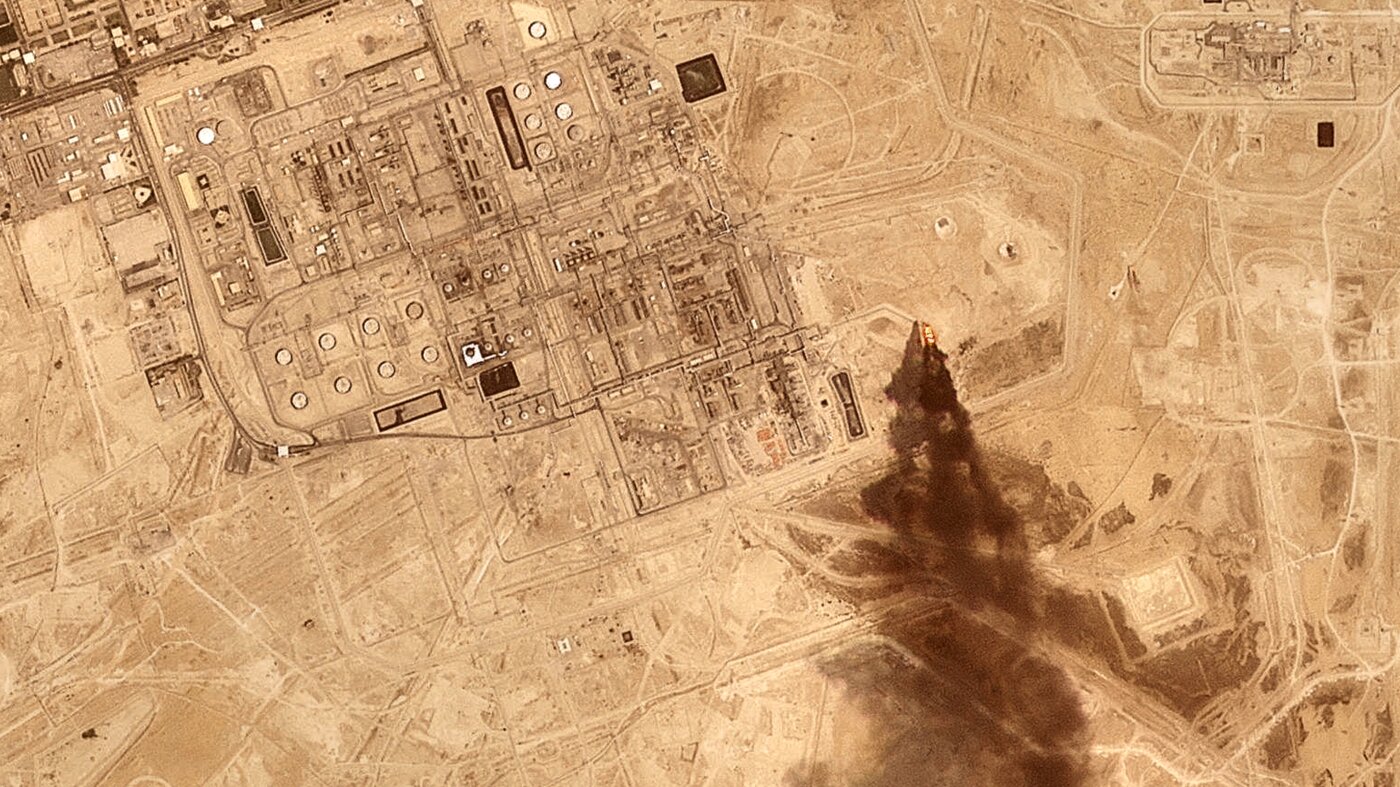
Jordan intercepts Iranian missiles launched early Wednesday, its military said, adding a new front to a regional fight that had briefly quieted. The announcement came after U.S. Central Command said American forces had stopped an Iranian missile barrage aimed at U.S. forces and joined Saudi Arabia in strikes on militia targets in Iraq.
Jordan’s military said five missiles fired from Iran were intercepted and destroyed. Iran’s state-run IRNA news agency reported that the Revolutionary Guard’s Aerospace Force said it launched ballistic missiles at Muwaffaq Salti Air Base and at the headquarters of U.S. Central Command in Jordan.
U.S. Central Command said its forces remained on high alert. It also said U.S. and Saudi aircraft struck sites in eastern Iraq used by Tehran-backed militias for recent attacks.
Why did the U.S. and Saudi Arabia strike Iraq?
U.S. Central Command said the strikes targeted logistics and weapons locations used by Iran-backed groups after more than 30 aerial drone attacks directed by the Revolutionary Guard over the previous 72 hours. The command warned that further attacks on U.S. troops or Saudi energy infrastructure could bring more U.S. military action.
Saudi Arabia’s Defense Ministry confirmed its role in the strikes in a social media post. The ministry said the kingdom did not seek escalation but would answer aggression against it.
The Popular Mobilization Forces, a coalition of mostly Shiite armed groups backed by Iran and formally tied to Iraq’s military, said at least 20 of its fighters were killed and 32 were wounded in overnight strikes on its sites in several areas of Iraq. The PMF emerged as a major force during the fight against the Islamic State group after the militants seized large parts of Iraq in 2014.
Iraqi Prime Minister Ali al-Zaidi called an emergency meeting of the National Security Council to discuss the strikes. After Saudi Arabia alleged earlier drone attacks from Iraq, al-Zaidi ordered security agencies to investigate, and Iraq’s military said the country was committed to stopping its territory from being used to attack friendly or neighboring states.
Iran-backed Iraqi militias denied involvement in the drone attacks. The Islamic Resistance in Iraq, an umbrella group of Iran-backed factions, rejected Saudi allegations and suggested the Houthis in Yemen were responsible for Monday’s attacks, after the Houthis said they had targeted Saudi oil facilities.
What is happening around the Strait of Hormuz?
The fighting followed about three days in which the United States and Iran did not announce attacks, after weeks of escalation around the Strait of Hormuz. The strait is a narrow Persian Gulf waterway through which about 20% of the world’s traded oil normally passes.
IRNA reported Wednesday that the Revolutionary Guard’s Navy claimed it had struck and stopped three oil tankers in the Strait of Hormuz after the vessels allegedly ignored warnings and sailed on what it called an unsafe and illegal route. The report did not name the tankers or identify their flags, and there was no immediate independent confirmation of strikes in the strait.
In the Red Sea, the Houthis said Tuesday they fired missiles at the Saudi oil tanker NCC Ghazal and forced it to turn back. Saudi Arabia did not immediately comment on that claim.
The United Kingdom Maritime Trade Operations Center said a tanker reported hearing explosions in the southern Red Sea on Monday, but said the crew and vessel were safe. The center did not identify the tanker and did not report Wednesday strikes against tankers in the Strait of Hormuz.
This story draws on original reporting from NPR.