
Japan changes imperial law while keeping women off the throne
Parliament approved rules to preserve royal duties as the imperial family shrinks, but succession remains limited to males in the male line.
By Sofia Marchetti · World Affairs Correspondent
3 min read
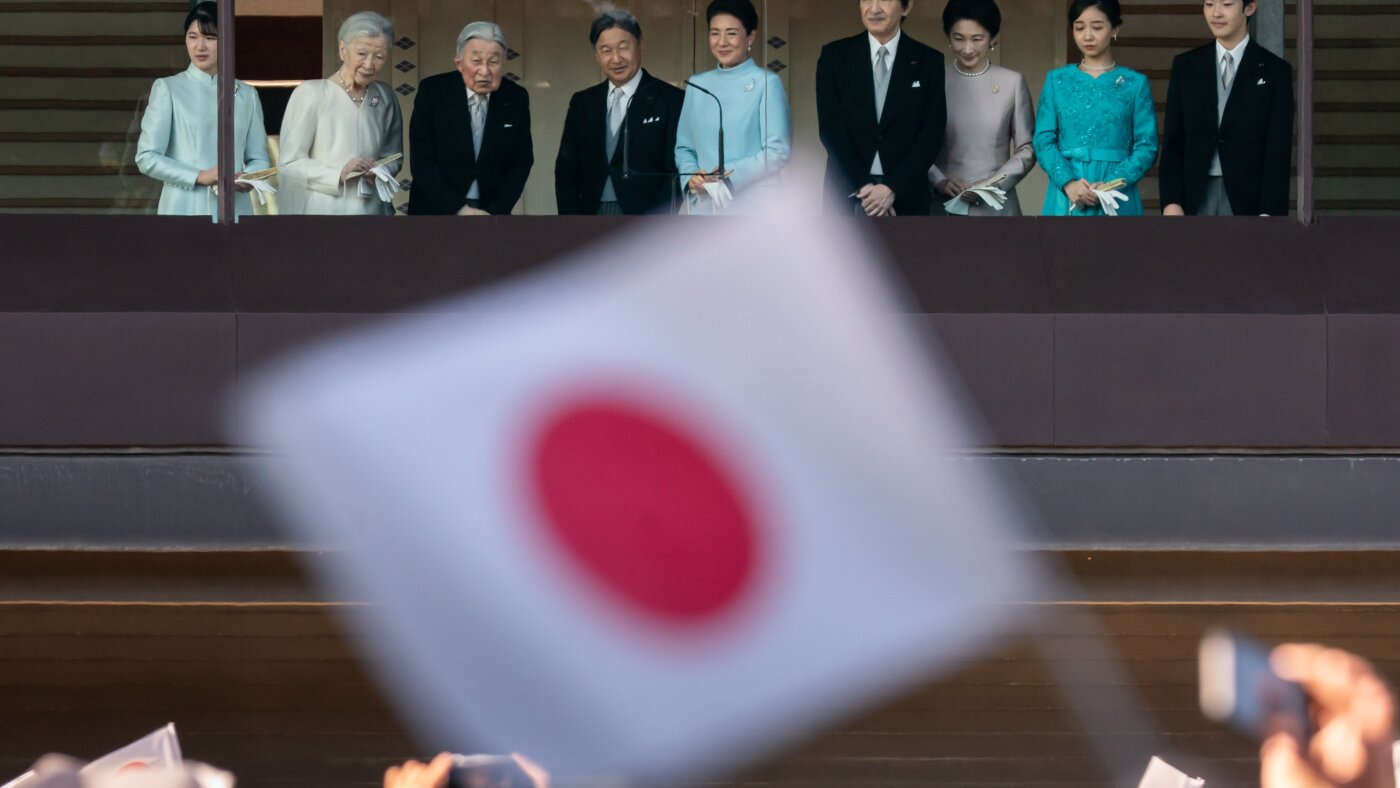
Japan’s upper house has approved revisions to the law governing the imperial family, NPR reported, preserving rules that bar women from becoming emperor. The vote matters because Japan’s royal household is shrinking and has only one young male heir, even as polls cited by NPR show broad public support for allowing a female emperor.
The measure passed the upper house days after clearing the lower house, according to NPR. The government says the changes are meant to keep enough imperial family members available to carry out public duties as the family ages and declines in number.
The revisions allow princesses to remain members of the imperial family after marrying commoners, NPR reported. They also permit the imperial family to adopt male-line descendants from former imperial branches.
Those changes do not give women a path to the throne. Under the revised system described by NPR, married princesses could continue official duties but would remain ineligible to inherit, while adopted men who were born commoners also could not become emperor. Any future male children of those adopted men, however, would be eligible.
Seiichiro Noboru, a former Japanese diplomat with ties to the imperial family, told NPR the revisions have a “very clear objective: to prevent the future emergence of a female emperor.” Noboru argued that recognizing a female emperor would remove the need for what he called a complex adoption arrangement.
Japan’s imperial family is down to one young male heir, Prince Hisahito, NPR reported. Hisahito is 19 and is the nephew of Emperor Naruhito, who is 66.
Princess Aiko shapes the debate
NPR identified Princess Aiko, Emperor Naruhito’s 24-year-old only child, as the most visible figure in the succession debate. Aiko has a degree in Japanese literature and works full time for the Japanese Red Cross Society, according to reporting cited by NPR.
Noboru told NPR that Aiko’s popularity is one reason many Japanese support changing the succession rules. Polls cited by NPR have shown support for female emperors ranging from 60% to 90%.
Prime Minister Sanae Takaichi, Japan’s first female prime minister, opposes allowing women to inherit the throne, NPR reported. At a party convention in April, Takaichi said the imperial line’s continuation through males for 126 generations is the basis of the emperor’s “authority and legitimacy.”
Male-only succession dates to the Meiji era
NPR reported that Japan has had eight female emperors over nearly 12 centuries. Those women descended from the male line, meaning they were children or grandchildren of male emperors, the same lineage category as Princess Aiko.
The practice ended in 1889 with the first Imperial Household Law under the Meiji government, according to NPR. That government treated emperors as military commanders, patriarchs of a state modeled on the family and semi-divine descendants of Shinto deities.
Under the Meiji civil code, married women had limited legal status and could not own property or sign contracts without their husbands’ consent, NPR reported. The imperial succession system also relied on concubines as a safeguard against a shortage of male heirs.
A 2005 government advisory panel cited by NPR said nearly half of Japan’s 125 emperors were born to concubines, or were of “illegitimate descent.” NPR reported that high infertility rates and infant and maternal mortality meant many male heirs did not survive to adulthood.
Noboru told NPR that excluding women from the throne conflicts with constitutional protections against gender discrimination. He also pointed to Article 1 of Japan’s Constitution, which says the emperor is the symbol of the nation and derives his position from the will of the people.
Emperor Naruhito has not taken a political position on succession, NPR reported, but addressed the broader issue of maintaining the imperial family. “I hope the discussions about securing an adequate number of imperial family members can gain the understanding of the people,” he said at a press conference last month, according to NPR.
This story draws on original reporting from NPR.