
Israel heads to October election as Knesset reaches full term
The vote is set for Oct. 27, with polls showing no clear majority for either Netanyahu’s bloc or his opponents.
By James Whitfield · Staff Writer
3 min read
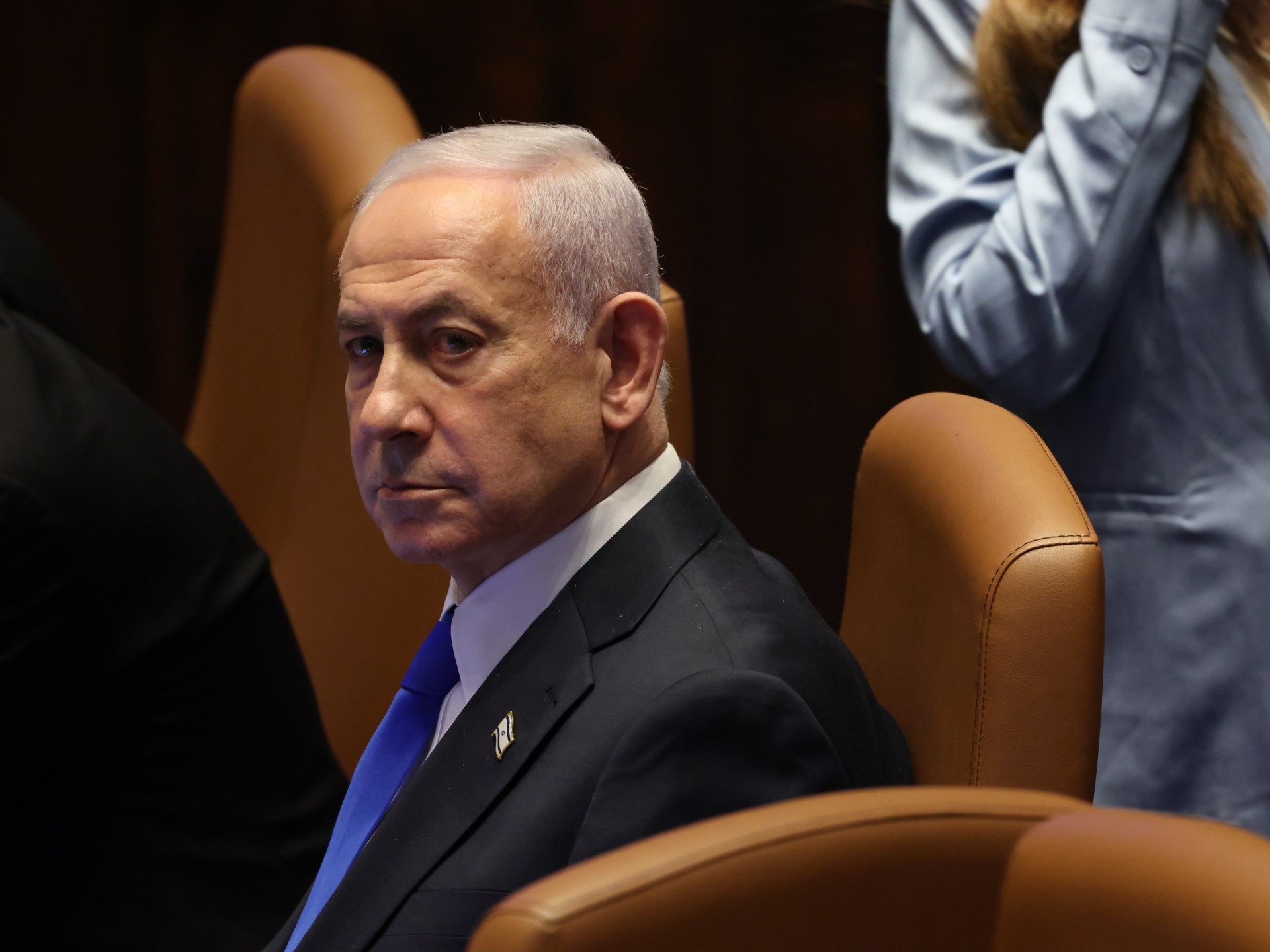
Israel’s Knesset is set to dissolve on Friday ahead of a national election scheduled for Oct. 27, Al Jazeera reported. The vote will test Prime Minister Benjamin Netanyahu after a term dominated by war, internal fights over state institutions and a dispute over military service for ultra-Orthodox Jews.
Al Jazeera reported that this Knesset is the first since 1988 to complete a full term. The parliament’s tenure has coincided with Israel’s war in Gaza after the Hamas-led attacks of Oct. 7, 2023, as well as wars involving Iran and Lebanon and expanded Israeli settlement activity in the occupied West Bank, according to the network.
Netanyahu has led what Al Jazeera described as Israel’s most right-wing government. The network also noted accusations against him over corruption, efforts to weaken the judiciary and the politicisation of security agencies, all of which have shaped the political fight before the election.
How the election works
Al Jazeera reported that Israel uses nationwide proportional representation. Voters choose party lists, and the country is treated as one electoral district for the 120-seat Knesset.
Parties must pass a 3.25 percent threshold to enter parliament, according to Al Jazeera. Because no party has ever won a Knesset majority on its own, coalition talks decide who governs after the president asks the politician judged most likely to form a government to try to assemble one.
Main contenders
A Channel 12 poll cited by Al Jazeera showed former military chief Gadi Eizenkot and his new Yashar party as Netanyahu’s strongest challenger. The poll projected 23 seats for Yashar and 22 for Netanyahu’s Likud.
Al Jazeera said Israeli media describe Eizenkot as a centrist. He has criticised Netanyahu over the conduct of regional wars and divisions inside Israel, according to the network.
Former prime ministers Naftali Bennett and Yair Lapid are also running together on the Together ticket, Al Jazeera reported. Channel 12 projected 16 seats for that alliance, with Bennett presenting himself as a pragmatic right-wing alternative to Netanyahu and Lapid focusing on institutional reform and secular issues, according to the network.
Campaign issues
Al Jazeera reported that Netanyahu’s opponents have concentrated much of their criticism on his governing style, accusing him of weakening public institutions and fuelling social divisions to preserve power. The network said the leading opposition figures have not made major criticism of Israel’s wars themselves, focusing more on management, Israel’s ties with allies and the country’s international standing.
The military service status of ultra-Orthodox Jews is also a central issue, according to Al Jazeera. Netanyahu’s coalition has depended on ultra-Orthodox parties, while softening measures that would press their communities into army service, the network reported.
Al Jazeera said Eizenkot, Bennett and Lapid have each rejected continuing Netanyahu’s approach to the conscription dispute. The issue has become more charged among Israelis who want ultra-Orthodox citizens to share the burden of Israel’s wars, according to the network.
Poll points to deadlock
The Channel 12 poll cited by Al Jazeera suggested that neither Netanyahu’s allies nor his opponents currently have enough seats to form a government. Parties opposed to Netanyahu were projected to win 59 seats, two short of a majority.
The pro-Netanyahu bloc, including ultra-Orthodox parties, was projected at 51 seats, according to Al Jazeera’s account of the poll. Arab parties were projected to hold the remaining 10 seats, and Al Jazeera noted that those parties have historically had a limited role in coalition governments.
This story draws on original reporting from Al Jazeera.