
Iraqi PM visits Turkiye for oil, water and security talks
Ali al-Zaidi is seeking oil-export routes, water talks and security understandings in his first trip to Turkiye as Iraq's premier.
By James Whitfield · Staff Writer
3 min read
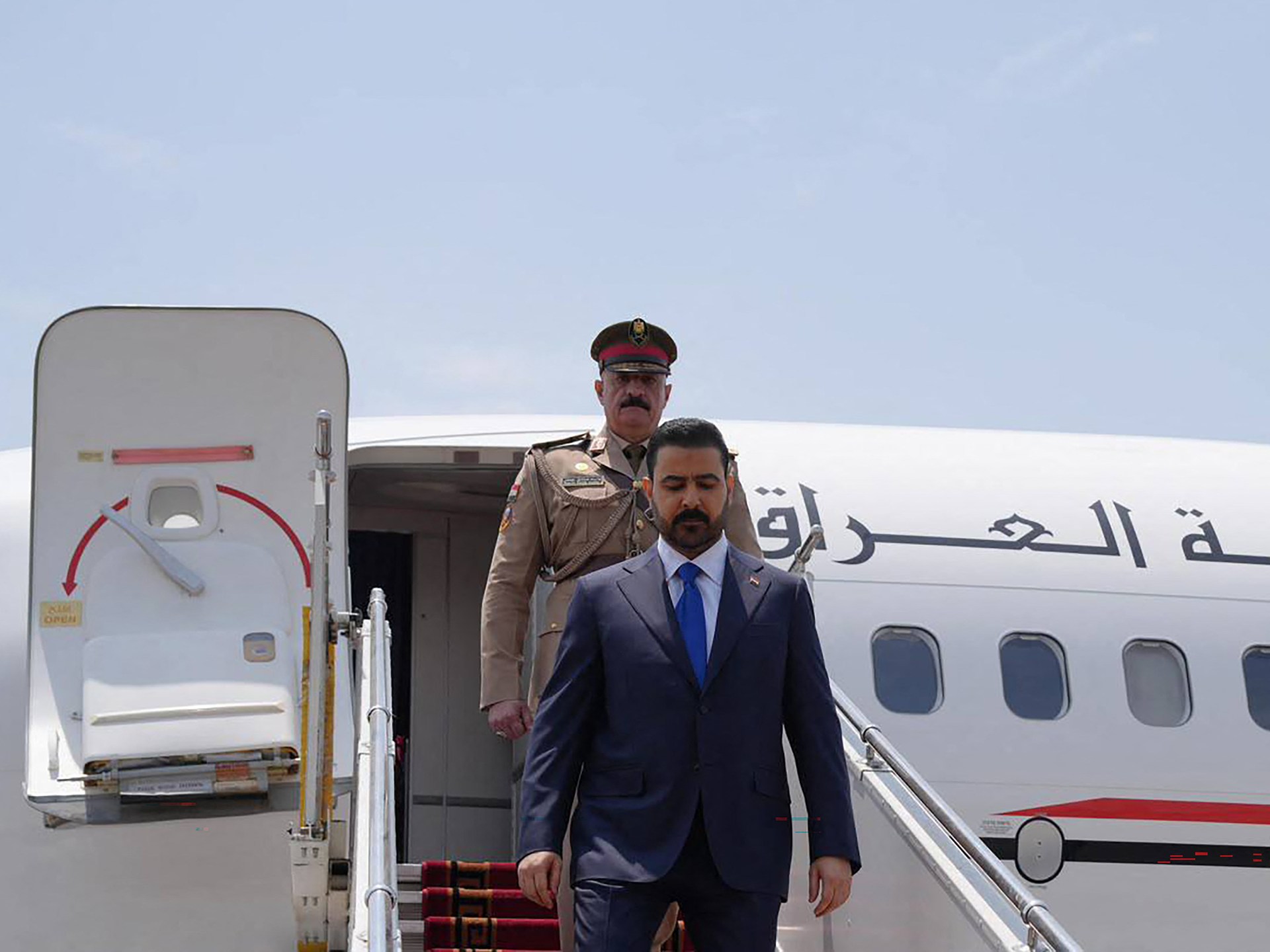
Iraqi PM visits Turkiye on Tuesday for his first trip to the neighbouring country since taking office in May, accompanied by ministers and senior officials. Iraqi government spokesman Haider al-Aboudi said the agenda covers strategic cooperation, security, water and economic ties.
The visit comes as Baghdad tries to strengthen export options for crude oil and reduce its exposure to the Strait of Hormuz. Al Jazeera reported that the US-Israel war on Iran and the later closure of the strait have increased Turkiye’s value to Iraq as a transit route.
Why is the Iraqi PM visiting Turkiye?
Al-Zaidi is seeking agreements that could expand Iraqi oil exports through Turkiye, advance trade and infrastructure projects, and address disputes over water and Turkish military activity in northern Iraq. For Baghdad, Turkiye is both a difficult neighbour and a key route to wider markets.
A major item is the Iraqi-Turkiye oil pipeline. Al Jazeera reported that the two countries are trying to settle terms for oil exports after the previous agreement expired on Monday.
An unnamed official from Iraq’s Ministry of Oil told Al Jazeera that an Iraqi technical team went to Ankara late last week to work on a one-year extension while a longer-term agreement is negotiated. The official said Turkiye’s proposed terms are hard for Iraq to accept, including raising what the official described as the per-barrel interest from $1.35 to $7 and requiring export capacity of at least 1.5 million barrels per day whether Iraq can meet that level or not.
Iraqi Oil Minister Basim Khudair said Baghdad needs to speed up work on new export outlets away from the Strait of Hormuz, according to Al Jazeera. Earlier this month, Iraq signed energy deals with US companies estimated at $200bn during al-Zaidi’s visit to Washington, as the government seeks to lift oil and gas output and diversify export routes.
What is Iraq’s Development Route?
The Development Route is a planned transport corridor from Iraq’s al-Fao port in the south to the Iraq-Turkiye-Syria border area in the north. Al Jazeera reported that the project includes a 1,200km rail and highway network through 10 Iraqi provinces.
A government source told Al Jazeera that al-Zaidi wants to use Turkish expertise in energy, infrastructure and transport for Iraqi development plans. Abd al-Jabar Ahmad, a political science professor, said attacks by armed groups have set the Development Route back, and he questioned whether the visit would produce major progress because Ankara is also involved in a separate corridor linking Turkiye to Jordan through Syria and then Saudi Arabia.
Water is another central issue. Iraq has blamed Turkish dams for reducing flows in the Tigris and Euphrates, both of which begin in Turkiye, and a government source told Al Jazeera that Baghdad sees the issue as affecting the future of millions of Iraqis.
The security file is the most sensitive. Al Jazeera reported that Turkiye keeps forces in northern Iraq to fight the Kurdistan Workers’ Party, or PKK, which Turkiye, the United States and the European Union designate as a terrorist group. Military estimates cited by Al Jazeera put the Turkish presence at about 50 bases across Erbil, Duhok and Nineveh provinces, with roughly 5,000 soldiers and heavy weapons.
The PKK announced in mid-2025 that it had begun steps toward disarmament as part of a peace process with Ankara, according to Al Jazeera. Turkiye still sees the group’s presence in mountainous areas of northern Iraq as a national security threat.
Issam al-Faily, a political science professor, told Al Jazeera there is broad Iraqi interest in deeper ties with Turkiye, especially because of its role in oil transit. He said Iraq’s internal power struggles and Turkish-Iranian rivalry could complicate al-Zaidi’s attempt to improve the relationship.
This story draws on original reporting from Al Jazeera.