
Iran enters US talks with damaged military still able to strike
Talks in Doha follow months of war that damaged Iran’s forces, though officials and reports say key missile, drone and naval capabilities remain.
By Daniel Okafor · Business Editor
4 min read
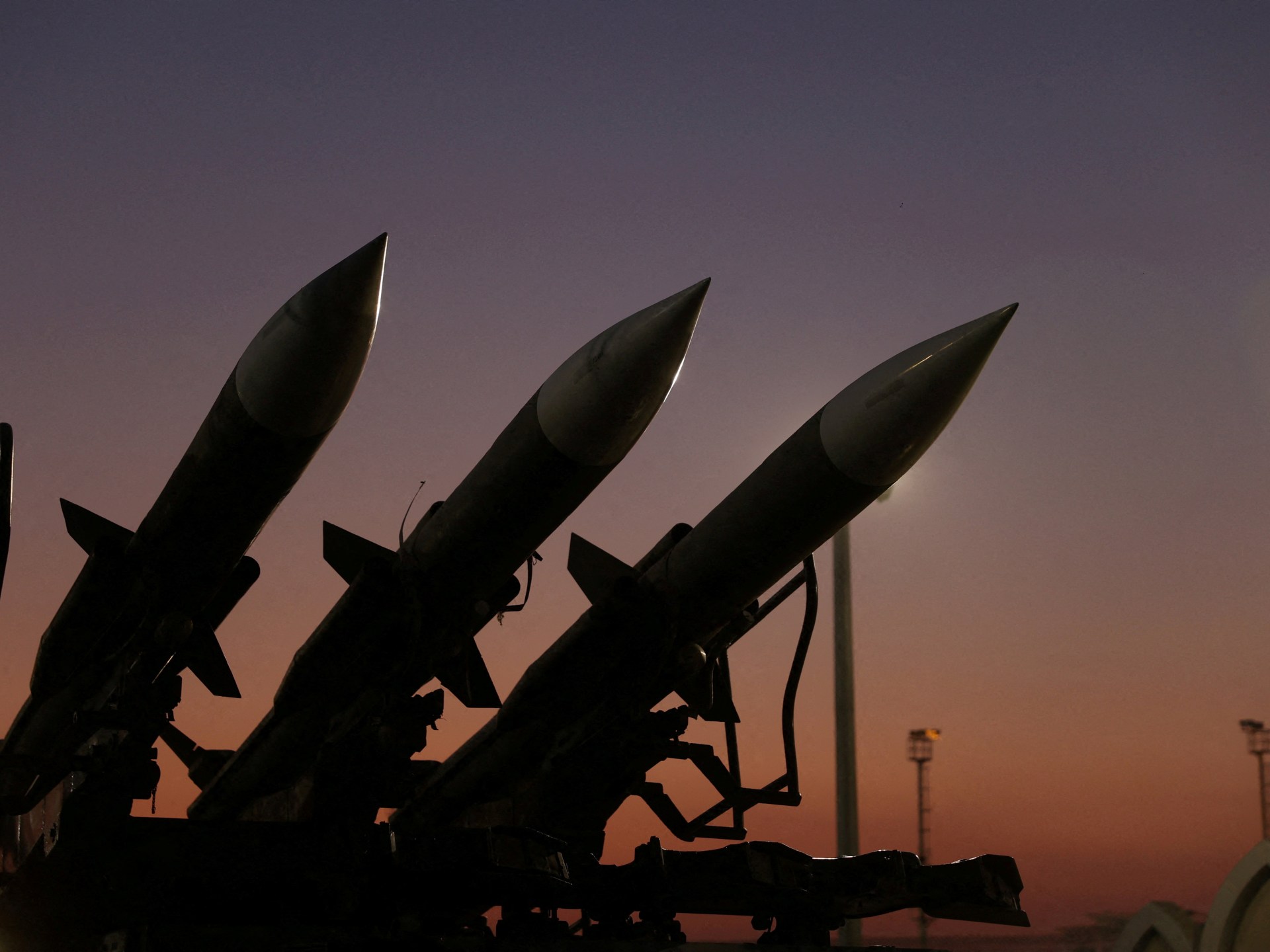
Iranian officials are meeting US representatives in Qatar after months of US and Israeli attacks that badly damaged Iran’s military infrastructure. The talks matter because all sides have warned that fighting could resume if diplomacy fails, according to Al Jazeera.
Al Jazeera reported that the Doha negotiations follow a June 17 memorandum of understanding between Iran and the United States to end the war. Since then, there have been limited exchanges of fire and repeated threats of renewed conflict.
Israeli Defence Minister Israel Katz said on Monday that Israel has already selected targets and that its fighter jets are waiting for orders, according to Israeli media cited by Al Jazeera. Iranian Foreign Minister Abbas Araghchi responded Wednesday that any threat to Iran’s people or leadership would draw an immediate and powerful response.
What was hit
The US military said it struck more than 13,000 targets in Iran during fewer than 40 days of heavy attacks, while the Israeli army said it carried out about 10,800 strikes against roughly 4,000 targets, according to Al Jazeera. The campaign targeted senior officials, commanders, missile and drone systems, air defences, communications sites, naval assets and nuclear facilities.
US Central Command chief Brad Cooper told the House Armed Services Committee in May that more than 85 percent of Iran’s ballistic missile, drone and naval defence-industrial base had been damaged or destroyed. The Israeli military said early in the war that 60 percent of Iran’s missile launchers and about 250 air defence systems had been put out of action.
Al Jazeera reported that Iran has not released official figures on military losses. Satellite imagery, verified strike footage and local reports cited by the outlet showed repeated attacks on missile and drone manufacturing sites, launch facilities, air defence systems and production lines for missile components.
Major targets included the Parchin and Khojir military complexes near Tehran, the Bandar Abbas naval base and port complex, Fath airbase near Karaj, and missile facilities in Isfahan, Yazd and Shahroud, according to Al Jazeera. The outlet also reported strikes on airports, ports, bridges and roads.
The damage extended beyond military sites. Al Jazeera reported that the US and Israel also hit oil and gas facilities, petrochemical plants, steel and aluminium producers, power plants, water facilities, research centres, universities and residential buildings. Israeli Prime Minister Benjamin Netanyahu said in April that Israel had destroyed 70 percent of Iran’s steel production capacity, arguing it was tied to missile work.
What remains
Despite the damage, Iran still has meaningful military capacity, Al Jazeera reported. Officials, US intelligence assessments and satellite images cited by the outlet indicate that large parts of the Islamic Revolutionary Guard Corps’ underground missile network remain intact, including sites built beneath mountains.
The New York Times reported in May, according to Al Jazeera, that almost all missile sites near the Strait of Hormuz had returned to operation, with full or partial activity restored at nearly 90 percent of underground facilities. The Institute for Science and International Security said some sites, including Taleghan 2 inside Parchin, had been covered with fresh concrete and earth barriers.
CENTCOM said almost 1,500 strikes hit weapons-manufacturing facilities, setting back Iran’s ability to build and store ballistic missiles and long-range drones by years. US media later reported, citing informed sources, that Iran was rebuilding faster than expected and that some drone production had restarted; CENTCOM disputed reports that Iran still held about 70 percent of its pre-war missile and launcher stocks.
Iranian commanders have said the wars improved their combat readiness and helped refine air defences, according to Al Jazeera. Iran said it downed more than 200 hostile drones, including an MQ-9 Reaper, and reported several full or partial interceptions of aircraft.
At sea, Al Jazeera reported that Iran lost larger warships and some mine-laying vessels, while the IRGC continued using smaller boats, missiles and drones around the Strait of Hormuz. TankerTrackers said Iran exported more than 50 million barrels of oil after a US blockade on southern ports was lifted two weeks earlier.
Al Jazeera reported that parts of the strait are still believed to contain mines and that some highly enriched uranium buried under bombed nuclear facilities may be recoverable with heavy machinery. Without a durable agreement, the outlet reported, the US, Israel and Iran have all said they are ready to fight again.
This story draws on original reporting from Al Jazeera.