
Displaced Lebanese face trauma as southern villages lie in ruins
Experts told Al Jazeera that the destruction of homes and landmarks in southern Lebanon is deepening trauma for residents unable to return.
By Sofia Marchetti · World Affairs Correspondent
3 min read
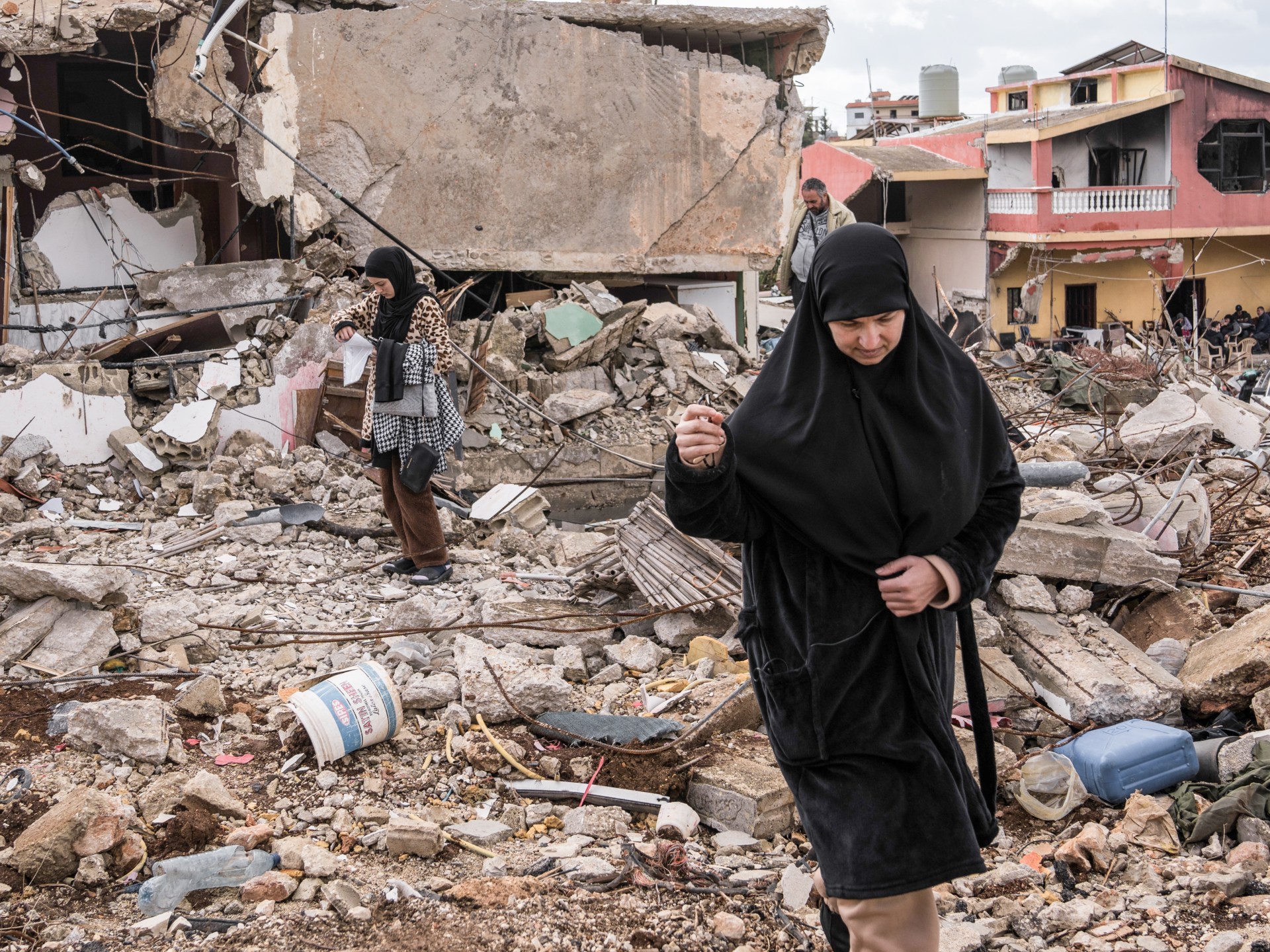
Israel’s destruction of towns in southern Lebanon has left thousands of displaced residents with no clear path home, Al Jazeera reported. Mental health specialists said the damage carries a psychological cost because homes, streets and familiar landmarks tied to identity have been wiped out.
Al Jazeera reported the case of Ali, an elderly man from Naqoura, who saw damage to his home after Israeli forces withdrew under a ceasefire in February 2025. More than a year later, the outlet reported, Naqoura had been razed after Israel invaded again in March, forcing Ali from his seaside family home to a rooftop room in Beirut.
Ali told Al Jazeera that residents had enjoyed “20 good years,” referring broadly to the period after Israel’s 2000 withdrawal from Lebanon and before hostilities began on October 8, 2023.
Destroyed towns and delayed returns
Al Jazeera reported that Israel intensified its war in Lebanon on March 2 after Hezbollah fired rockets at Israel, described by the outlet as the group’s first such attack in more than a year. Since then, according to Al Jazeera, 4,257 people have been killed in Lebanon and more than 12,000 wounded.
More than 1.2 million people were displaced at the height of Israel’s attacks, Al Jazeera reported. Some residents have returned, but thousands remain away because their villages are occupied or their homes no longer stand.
Israel occupies about 6 percent of Lebanese territory, according to Al Jazeera, which also reported that a recent agreement between Tel Aviv and Beirut indicates Israeli troops may stay in place for now. Human rights group Amnesty International had already described destruction in southern Lebanon after Israel’s 2024 campaign as extensive.
After the 2026 offensive, a UNDP assessment found 11,095 buildings had been completely destroyed, Al Jazeera reported. Satellite analysis by Le Monde found that 45 percent of urban areas in southern Lebanon had been damaged or destroyed since March 2026.
Al Jazeera listed Bint Jbeil, Kfar Kila, Meiss el-Jabal, Taybeh, Deir Siryan and Naqoura among the badly damaged areas. In some places, residents struggle to identify where homes once stood in relation to the rest of the town.
Loss beyond property
Basma Alloush of the International Rescue Committee told Al Jazeera that people lose more than shelter when an entire village is flattened. She said the disappearance of childhood places, streets and trees can leave people grieving without the physical traces that anchored memory.
Davide Musardo, a clinical psychologist with Doctors Without Borders, also known as MSF, told Al Jazeera that Palestinians in Gaza described losing the reference points that helped them find their homes after widespread destruction there. He said some patients who tried to return felt disoriented because they no longer recognized where they were.
Al Jazeera reported that Lebanon already faced a mental health crisis before the latest war. A 2022 study by Lebanese researchers found high rates of depression, anxiety and post-traumatic stress, and the country has also endured a 2019 uprising and crackdown, a banking and economic collapse, the 2020 Beirut port explosion and years of conflict.
Aya Mhanna, a mental health, psychosocial support and trauma specialist, told Al Jazeera that destroyed villages can rupture routines, family ties, memories and belonging built over years or generations. Dr Joseph El-Khoury, a consultant psychiatrist and conflict medicine expert, said the home is tied to safety, history and identity, especially in villages where families have lived for generations.
El-Khoury told Al Jazeera that reconstruction should begin as soon as possible and should improve what existed before. He said recovery would require state capacity, urban planning and peace; without those conditions, he warned, residents of destroyed southern villages will not be able to heal.
This story draws on original reporting from Al Jazeera.