
Iran guard spokesman denies direct US line on Hormuz
An IRGC spokesman rejected US claims of a direct contact channel as new attacks raised tensions around the Strait of Hormuz.
By Daniel Okafor · Business Editor
3 min read
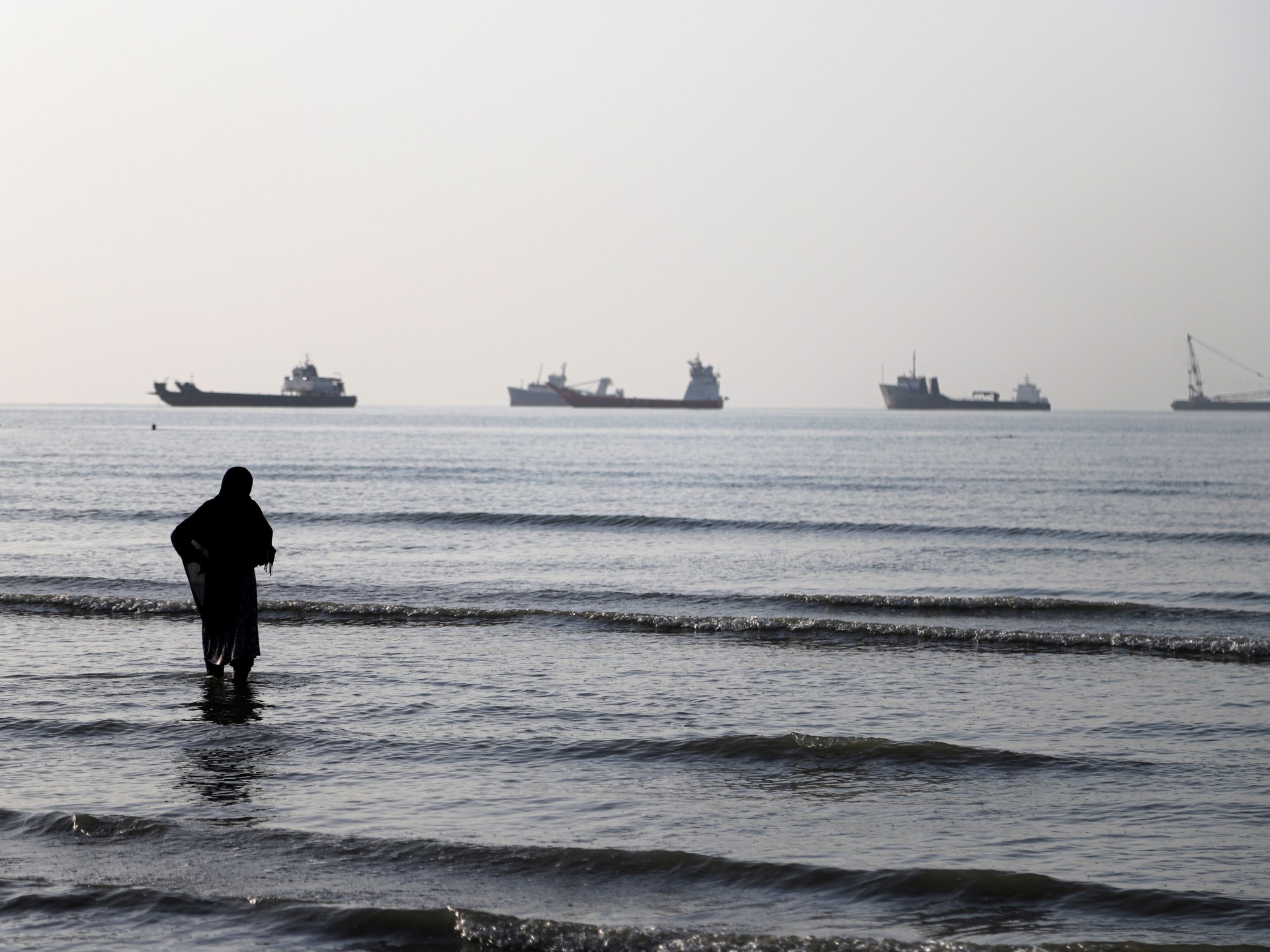
Iran’s Islamic Revolutionary Guard Corps rejected reports that Tehran and Washington had agreed to direct military communications over the Strait of Hormuz, casting doubt on a US-backed effort to reduce the risk of clashes in the waterway. The denial came as the United States and Iran exchanged fire again after attacks on commercial shipping near the strait, Al Jazeera reported.
IRGC spokesman Hossein Mohebi wrote on X on Friday that claims by US officials about a direct line between Iran and the United States concerning the strait were “completely false.” He said such a channel “has not happened and will not happen,” adding that Iran views the Strait of Hormuz as its territory and not a US concern.
Mohebi did not say whether Iran was ruling out only direct military-to-military contact or also rejecting a separate civilian-led communications channel, according to Al Jazeera. His comments followed US statements that suggested some form of contact had been discussed after talks between the two sides in Switzerland.
US Vice President JD Vance told the UK outlet UnHerd on Monday that Washington expected a “channel on the Iranian side” to help reduce conflict in the Gulf. Vance also suggested that direct contact between military representatives had been agreed, saying Iran would send someone from the IRGC to Doha to meet someone from US Central Command.
The IRGC is designated by the US government as a foreign terrorist organisation. Vance’s account pointed to a mechanism involving CENTCOM, the US military command responsible for the Middle East.
Iranian state-run broadcaster Press TV reported on Friday that a communication line had been set up between the two sides in the Strait of Hormuz after the Switzerland talks. Press TV said the purpose was to help prevent incidents that could lead to military escalation and to carry out Article 5 of a memorandum of understanding between Iran and the US.
According to Press TV, Article 5 concerns the resumption of commercial maritime traffic through the Strait of Hormuz after prolonged disruptions that followed the US-Israeli military offensive on Iran that began on February 28. The broadcaster also said Iran and Oman would determine future management and maritime services in the strait in consultation with other Gulf littoral states and in line with international law and coastal states’ sovereign rights.
The disagreement over communications followed a new incident involving the Singapore-flagged container ship Ever Lovely. Al Jazeera reported that the vessel was struck late Thursday by an unknown projectile while using a route through the Strait of Hormuz recommended by the United Kingdom Maritime Trade Operations, after being stranded at sea for more than 100 days following a cargo stop in Iraq.
US Central Command said Friday that it targeted military facilities on Iran’s southern coast in response to the attack on a commercial ship passing through the strait. Al Jazeera reported that Bahrain faced drone strikes on Saturday morning after the US attack, marking the first exchange of fire between the US and Iran since the memorandum of understanding was signed on June 17.
Iran has demanded that vessels crossing the Strait of Hormuz use a route designated by its armed forces near Iran’s coast or risk being turned back or targeted, according to Al Jazeera. The IRGC has objected to a route coordinated by Oman and the International Maritime Organization, saying it was not consulted.
Vance warned Iran on Friday that “violence will be met with violence” and said on X that if Tehran had disagreements over how the memorandum was being applied, “they can pick up the phone.” The UKMTO raised its threat level for the Strait of Hormuz to “substantial” on Saturday after merchant vessels were targeted.
This story draws on original reporting from Al Jazeera.