
Iran economy collapse avoided as war pressure shifts costs to households
Iran’s economy is still operating after months of war and sanctions, but economists say inflation and poverty are carrying the strain.
By Lucas Ferreira · Science & Environment Writer
3 min read
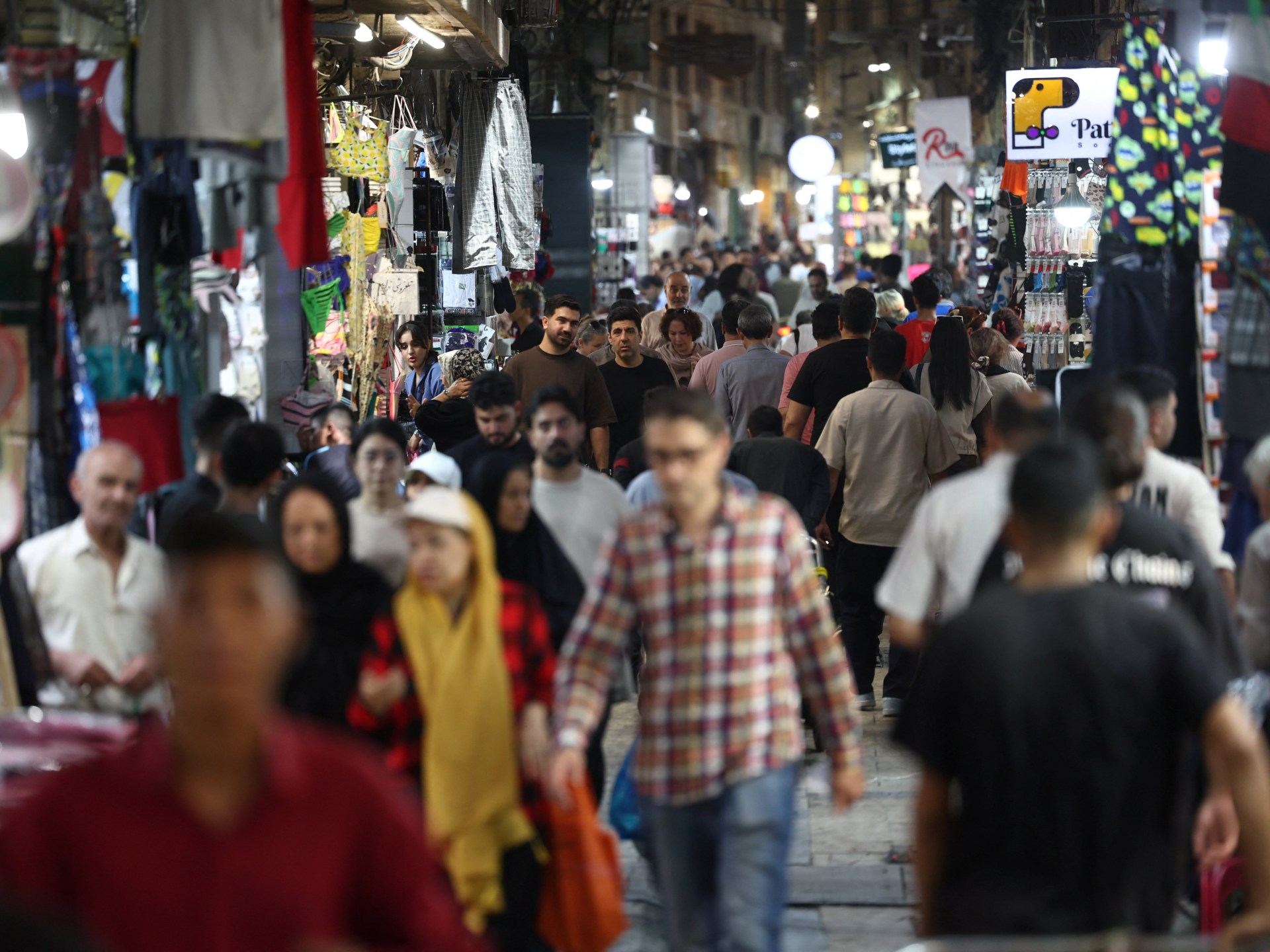
Iran’s economy has avoided collapse after five months of war with the United States, but economists and officials say the cost has fallen heavily on households. The Iran economy collapse question has sharpened as prices rise, the currency weakens and public services face new strains.
Al Jazeera reported that Iran’s size, resources and partial economic diversification have helped keep basic activity going. Agriculture, manufacturing and services have reduced total dependence on oil, while informal labor, cross-border trade, maritime networks and opaque oil sales have helped the state keep goods and money moving under sanctions.
Why has Iran's economy not collapsed?
Hadi Kahalzadeh, a welfare economist and non-resident fellow at the Quincy Institute, told Al Jazeera that he would define collapse as famine combined with the state losing the ability to pay workers and provide basic services. By that measure, he said, Iran has not reached collapse and is unlikely to do so soon from the combined pressure of war, blockade and sanctions.
Kahalzadeh said Iran absorbs shocks through inflation and currency depreciation. That keeps incentives for some imports and production in place, leaving goods available in markets, but pushes the burden onto families as wages lose value.
Inflation has climbed to about 90 percent, according to Al Jazeera. Food inflation is among the world’s highest, with prices of staples including meat, eggs and cooking oil more than tripling over the past year, while imported goods have become more expensive as the rial falls against the dollar.
The pressure has also intensified after the Strait of Hormuz was closed following the start of the US-Israel war in late February, blocking new supplies, Al Jazeera reported. The monthly minimum wage is now below $100, while government cash aid and electronic coupons add only a few dollars more.
What pressure are ordinary Iranians facing?
A 2025 report by the Saba Pension Strategies Institute, linked to Iran’s state-run pension fund, said just over 30 percent of Iranians were below the poverty line five years earlier. The institute projected that share would reach 45 percent this year and continue rising.
Kahalzadeh told Al Jazeera that sanctions have changed Iran’s social structure. He said the middle class, which made up most of the population in 2011, has become a minority, while the poor and those at risk of poverty now account for about 70 percent of Iranians.
Mohammad Reza Farzanegan, a professor at Philipps-Universitat Marburg in Germany, told Al Jazeera that corruption is the biggest domestic danger to the economy because it weakens institutions, cuts productivity and rewards political access over efficiency. He said oil revenue has helped the state hide some weaknesses while encouraging reliance on government-linked channels.
Zabihollah Khodaeian, head of Iran’s General Inspection Organisation, told state television that some trustees assigned by top authorities to return proceeds from sanctioned oil and product sales had taken money for themselves. He said they hold at least $11 billion, including $1.6 billion that was misused, and that more than 20,000 exporters have failed to repatriate 94 billion euros in export earnings.
Government spokeswoman Fatemeh Mohajerani said Tuesday that designated shops in the coupon program had been paid late, though several major banks remained disrupted more than a month after authorities reported cyberattacks. She also said recent US bombing hit 12 bridges and two tunnels and damaged natural gas production and electricity generation capacity.
Iran and the US continue to exchange messages through mediators, Al Jazeera reported, and most direct military action has paused. Farzanegan said domestic reforms alone cannot produce a lasting recovery while sanctions and the threat of conflict remain, adding that diplomacy to reduce geopolitical risk is the most important economic policy.
This story draws on original reporting from Al Jazeera.