
Trump Iran talks resume as Strait of Hormuz dispute dominates diplomacy
Trump says there is a good chance of progress with Iran, but Tehran denies direct talks as mediators work on the Strait of Hormuz.
By Sofia Marchetti · World Affairs Correspondent
3 min read
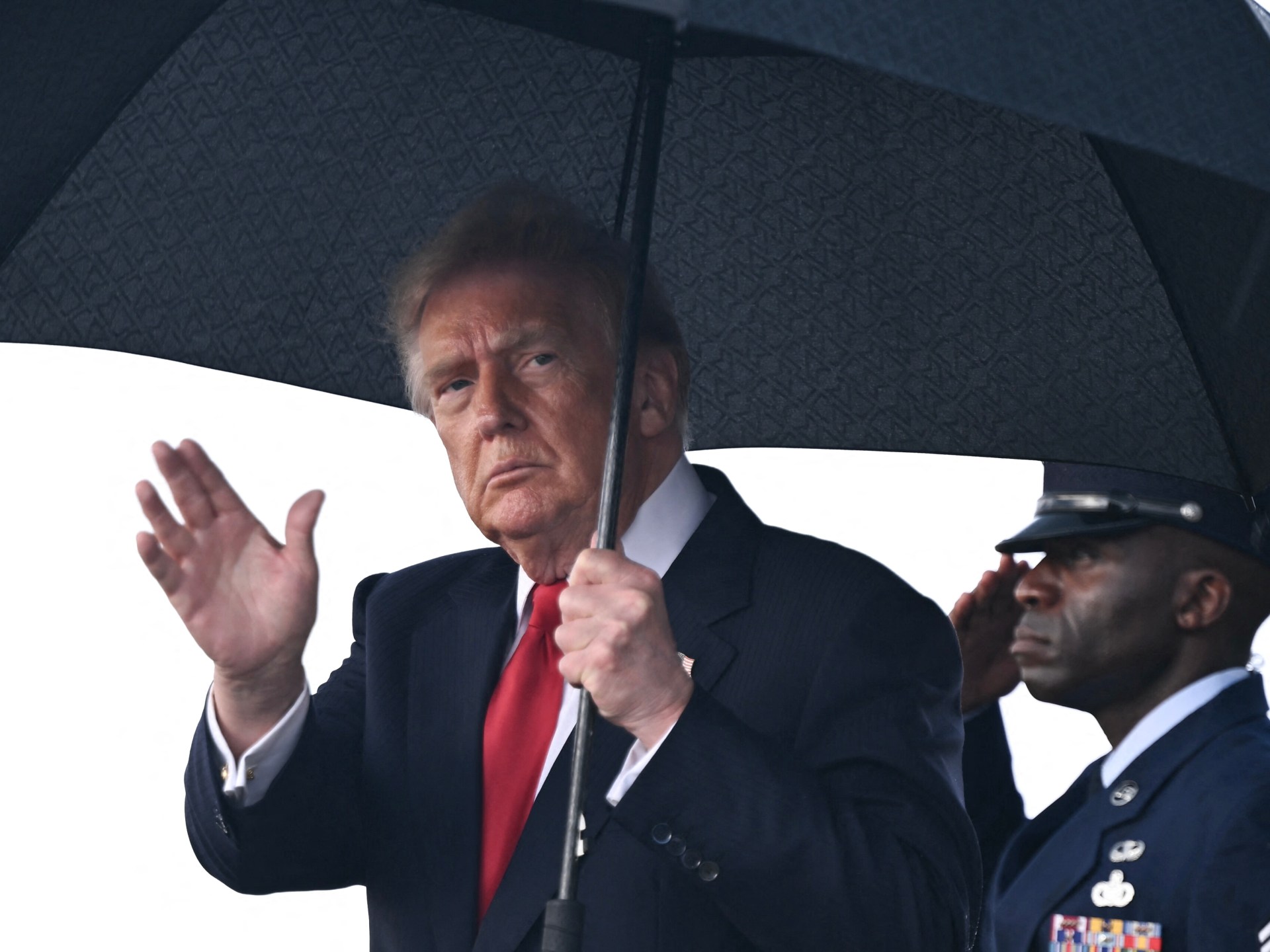
The Trump Iran talks entered a third day Tuesday after the president paused US strikes and said Washington had a “good chance” of making progress with Tehran. The diplomacy matters because renewed fighting around the Strait of Hormuz has threatened energy shipments and raised fears of a wider regional conflict.
Trump told supporters in Michigan on Monday that the United States was in “very friendly negotiations” with Iran, according to Al Jazeera. He also repeated that US military action could restart if the effort fails.
Iran has disputed the idea that direct talks are under way. Foreign Ministry spokesman Esmaeil Baghaei said Tehran is not negotiating with Washington, while adding that intermediaries may carry messages from the US about regional developments.
What is being discussed in the Iran talks?
The main dispute is control of the Strait of Hormuz, the narrow waterway linking the Gulf to the Gulf of Oman. Al Jazeera reported that about one-fifth of the world’s oil and liquefied natural gas moves through the strait in peacetime, making any disruption a direct risk for global energy markets.
According to Axios, Oman is leading the mediation effort, with Qatar, Pakistan and Egypt also involved. Trump’s envoys Steve Witkoff and Jared Kushner are also taking part, Axios reported.
The current push follows a June memorandum that extended an April ceasefire and set a framework for broader negotiations. Al Jazeera reported that the deal committed Iran to facilitate commercial shipping through the strait for 60 days, but the sides quickly split over what that meant in practice.
Tehran said vessels should use a route it approved and suggested fees could come later, according to Al Jazeera. Oman then announced a shipping corridor it said had been coordinated with the International Maritime Organization and supported by the US, a step Iran said violated the agreement.
The British military said a commercial ship using the Omani-approved route was hit off Oman’s coast on June 25. The US launched another round of strikes on Iran the next day, and Al Jazeera reported that further ships were hit as the fighting escalated in July.
What could a deal on the Strait of Hormuz look like?
The Wall Street Journal and Axios reported that mediators are examining arrangements that would give Iran and Oman a larger role in managing traffic while trying to answer US concerns about freedom of navigation. One idea is a regional body to handle maritime security, search and rescue, and related services.
Another proposal would allow Gulf states to collect payments tied to maritime security or environmental protection, according to Axios and the Wall Street Journal. Al Jazeera reported that international maritime law bars tolls for passage through natural straits, though countries can charge for practical services they provide.
Iran has signaled a willingness to discuss such ideas but insists on keeping final authority over the strait, Al Jazeera reported. Mohammad Bagher Ghalibaf, Iran’s parliament speaker and lead negotiator, said Monday that administration of the strait would not return to its prewar form.
Sanctions relief is also part of the talks. Axios reported that US officials increasingly see economic pressure as a stronger tool than continued strikes, while Iranian officials have made access to frozen assets a priority in previous discussions with Witkoff and Kushner.
Analysts cited by Al Jazeera said deep mistrust could block a deal. Simon Mabon of Lancaster University said Iran would press hard for sanctions relief, while Alex Vatanka of the Middle East Institute questioned Trump’s view that US strikes had forced Tehran back to the table.
Other fronts could also derail diplomacy. Al Jazeera reported that the Iran-aligned Houthis have targeted shipping in the Red Sea, Ukraine has struck an Iranian vessel in the Caspian Sea, and Israeli Prime Minister Benjamin Netanyahu’s Washington meeting with Trump could shape the US approach to Iran.
This story draws on original reporting from Al Jazeera.