
Iran deal dispute deepens as US talks open in Switzerland
Iranian and US negotiators met in Switzerland as a signed peace memorandum faced fresh pressure from hardliners in Tehran.
By Lucas Ferreira · Science & Environment Writer
3 min read
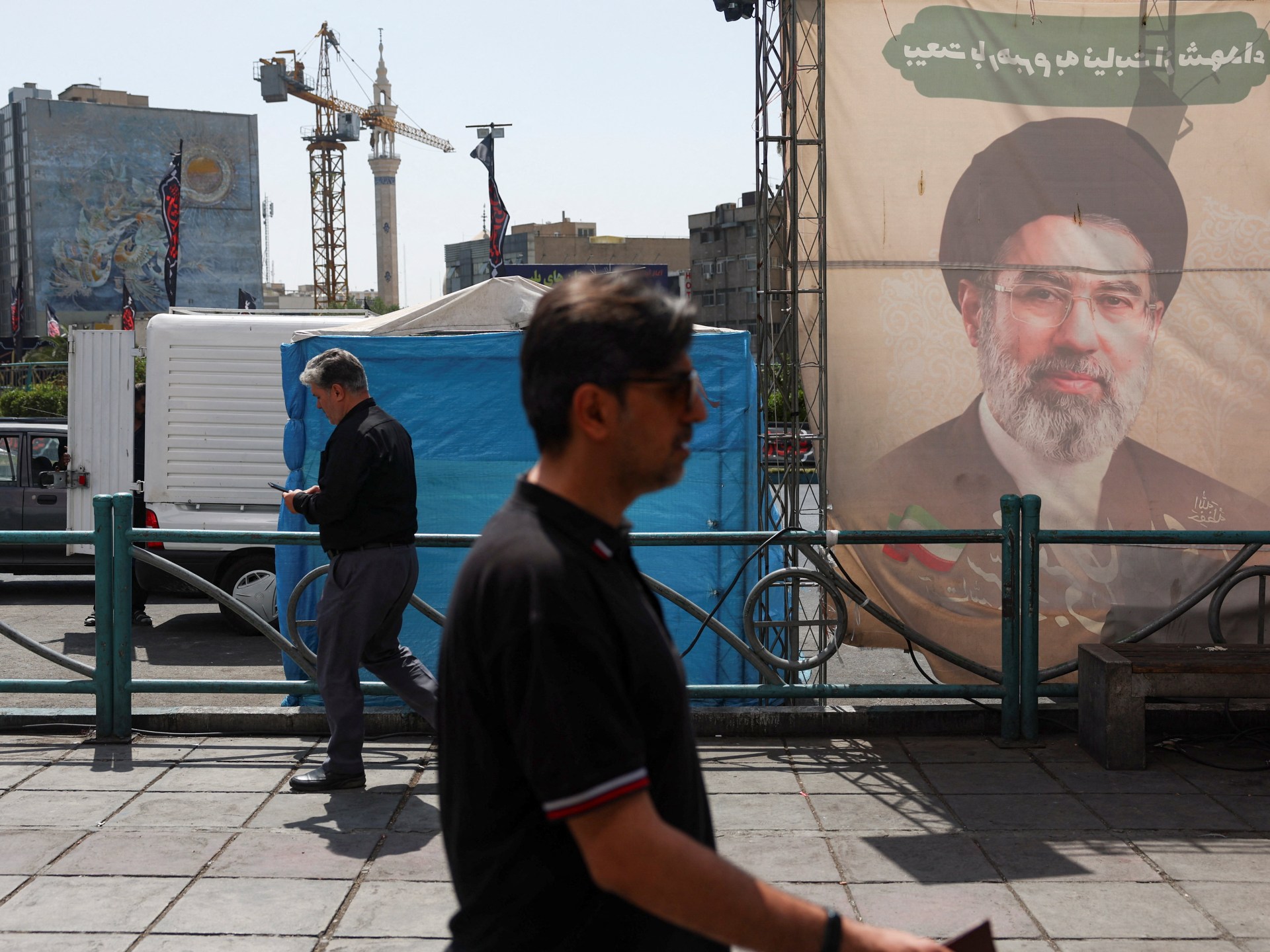
Senior officials from Iran and the United States met in Switzerland on Sunday to work on a signed memorandum aimed at ending the war begun by the US and Israel in late February, Al Jazeera reported. The talks matter because the agreement is already straining Iran’s political system, with hardline opponents challenging the terms and Supreme Leader Mojtaba Khamenei’s qualified approval.
Al Jazeera reported that Iran’s delegation was led by Parliament Speaker Mohammad Bagher Ghalibaf and Foreign Minister Abbas Araghchi. US Vice President JD Vance headed the American side, with Pakistan and Qatar mediating the high-level meeting.
Khamenei’s only public response to the memorandum came in a short written statement on Thursday, according to Al Jazeera. In that statement, attributed to him, Khamenei said he had held a different view “as a matter of principle” but approved the deal after President Masoud Pezeshkian took responsibility for it.
State TV interview fuels backlash
The political fight in Tehran sharpened Sunday when the head of the Islamic Republic of Iran News Network resigned after the channel aired a live interview with Mahmoud Nabavian, Al Jazeera reported. Nabavian is a hardline cleric, legislator and former member of Iran’s negotiating team during earlier talks in Pakistan in April.
During the interview, Nabavian read what he said were lines from correspondence between Khamenei and senior figures in the Supreme National Security Council from March and April, according to Al Jazeera. He claimed Khamenei opposed the April 8 ceasefire because he wanted quick implementation of a toll system for ships in the Strait of Hormuz and “exclusive management” of the waterway by Iran.
Nabavian also claimed Khamenei wanted war reparations, the release of frozen assets and no concessions on Iran’s nuclear programme. Al Jazeera reported that the interview was cut off after 11 minutes and was not available in IRINN’s online archive on Sunday.
Pezeshkian has defended the memorandum as a “historic document” and said it reflects the voice of a nation that did not trade dignity and independence under pressure, according to Al Jazeera. The Supreme National Security Council said it would protect the rights of Iran and the “resistance front” while honouring leaders killed in the war; Al Jazeera reported that former Supreme Leader Ayatollah Ali Khamenei was killed on February 28, the first day of US-Israeli air attacks.
Lebanon and Hormuz add pressure
Al Jazeera reported that several political figures and state-linked outlets said nearly all Supreme National Security Council members, including military commanders, supported the memorandum. Saeed Jalili, an ultra-hardline former chief negotiator and former presidential candidate, was described as the only reported vote against it.
Amir Hossein Sabeti, a hardline MP close to Jalili, said Saturday that Jalili opposed the deal because he believed it did not serve Iran’s national interests, Al Jazeera reported. Sabeti said opponents want answers from the government because the first provision, covering an end to hostilities on all fronts including Lebanon, is being violated by Israel.
Iran’s joint military command said Saturday the Strait of Hormuz had been closed again because of continued Israeli attacks on Lebanon, while the US military said the waterway remained open to all ships, according to Al Jazeera. Iran’s foreign ministry said Sunday that enforcing the deal, especially in Lebanon, would be the first priority in Switzerland before technical talks could move toward a longer-term settlement.
Hardline media figures also criticised sending negotiators to Switzerland. Kian Abdollahi, editor-in-chief of the IRGC-linked Tasnim news agency, called the large delegation a mistake while the memorandum was not being enforced, Al Jazeera reported.
This story draws on original reporting from Al Jazeera.