
Abiy Ahmed’s party wins new Ethiopian parliamentary majority
The Prosperity Party’s victory is set to keep Prime Minister Abiy Ahmed in office as Ethiopia faces armed unrest and tensions in Tigray.
By Sofia Marchetti · World Affairs Correspondent
3 min read
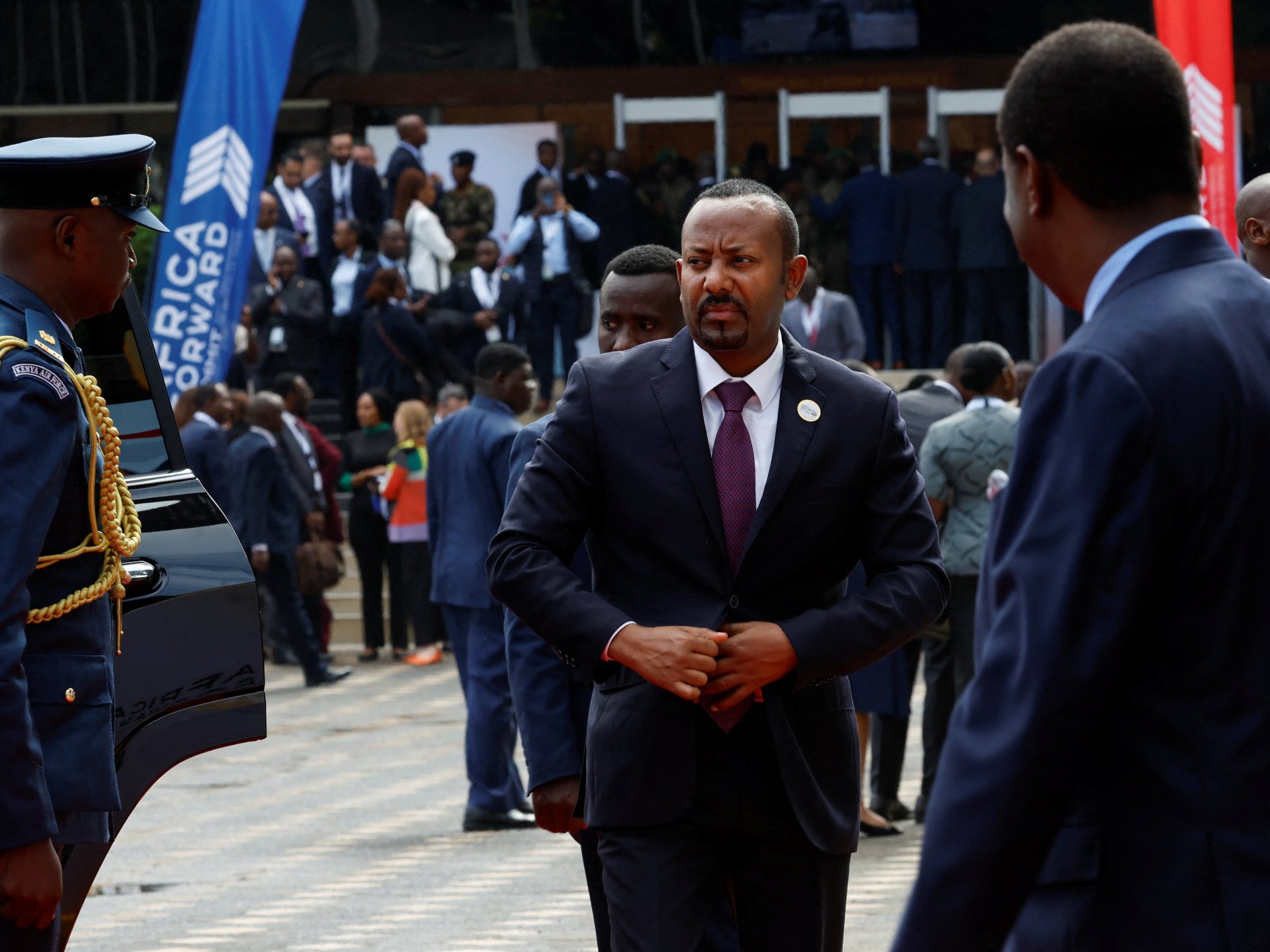
Ethiopia’s ruling Prosperity Party has won another parliamentary majority, putting Prime Minister Abiy Ahmed on course to remain in power, Al Jazeera and Reuters reported. The result extends the rule of a leader who came to office promising political opening but now governs amid conflict, repression allegations and economic pressure.
Abiy’s party was expected to prevail in this month’s national elections, according to Al Jazeera and Reuters. Prosperity Party candidates campaigned on the government’s economic record and pledges to improve food security in a country that has endured repeated famines.
Abiy’s rise and record
Abiy became prime minister in 2018 after mass protests against the Ethiopian People’s Revolutionary Democratic Front, the coalition that had dominated politics for decades, Al Jazeera and Reuters reported. He formed the Prosperity Party in 2019, consolidating his political vehicle after taking office.
In the previous parliamentary elections in 2021, the Prosperity Party won more than 90 percent of the seats that were available, according to Al Jazeera and Reuters. The latest majority gives Abiy’s party another term with firm control of parliament.
Abiy, a Nobel Peace Prize laureate, first drew praise in Ethiopia and abroad for releasing journalists, activists and other political prisoners, and for lifting bans on many political parties, Al Jazeera and Reuters reported. He received the Nobel Peace Prize in 2019 for ending hostilities with Eritrea.
Opposition figures and human rights activists accuse his government of rolling back those early reforms in recent years, including through the detention of journalists and the closure of civil society groups, according to Al Jazeera and Reuters. The government’s political record has become a central point of criticism as unrest has spread in several regions.
Conflict shadows the vote
Ethiopia has faced years of violence in multiple ethnically organized regions, including Oromia, Abiy’s home region and the country’s largest, Al Jazeera and Reuters reported. Fighting has also affected Amhara, the second-largest region, where a militia known as Fano has controlled large rural areas since 2023.
The country is still dealing with the aftermath of the 2020-2022 civil war in the northern Tigray region. The war followed a breakdown between Abiy and Tigrayan leaders who had previously dominated national politics, and researchers say it caused hundreds of thousands of deaths.
A 2022 peace agreement ended the Tigray war, but tensions have risen again. Tigray’s main political party moved in May to reassert control over the regional administration in violation of that agreement, prompting Ethiopian officials and analysts to warn of the risk of renewed unrest, according to Al Jazeera and Reuters.
Voting was not held in Tigray, one of Ethiopia’s 12 regions. The electoral board cited “unfavourable conditions” there, Al Jazeera and Reuters reported.
Abiy’s government expects the economy to grow by more than 10 percent in 2026, which would rank among the fastest growth rates in Africa, according to Al Jazeera and Reuters. The new parliamentary majority leaves the Prosperity Party responsible for delivering on that economic forecast while handling unresolved conflicts and political criticism.
This story draws on original reporting from Al Jazeera.