
Support for smoke-free public spaces rose nationwide over 30 years
A BMJ Public Health study used 1.5 million survey responses to track changing U.S. views on smoking restrictions from 1992 to 2022.
By Tom Brennan · Health & Medicine Correspondent
3 min read
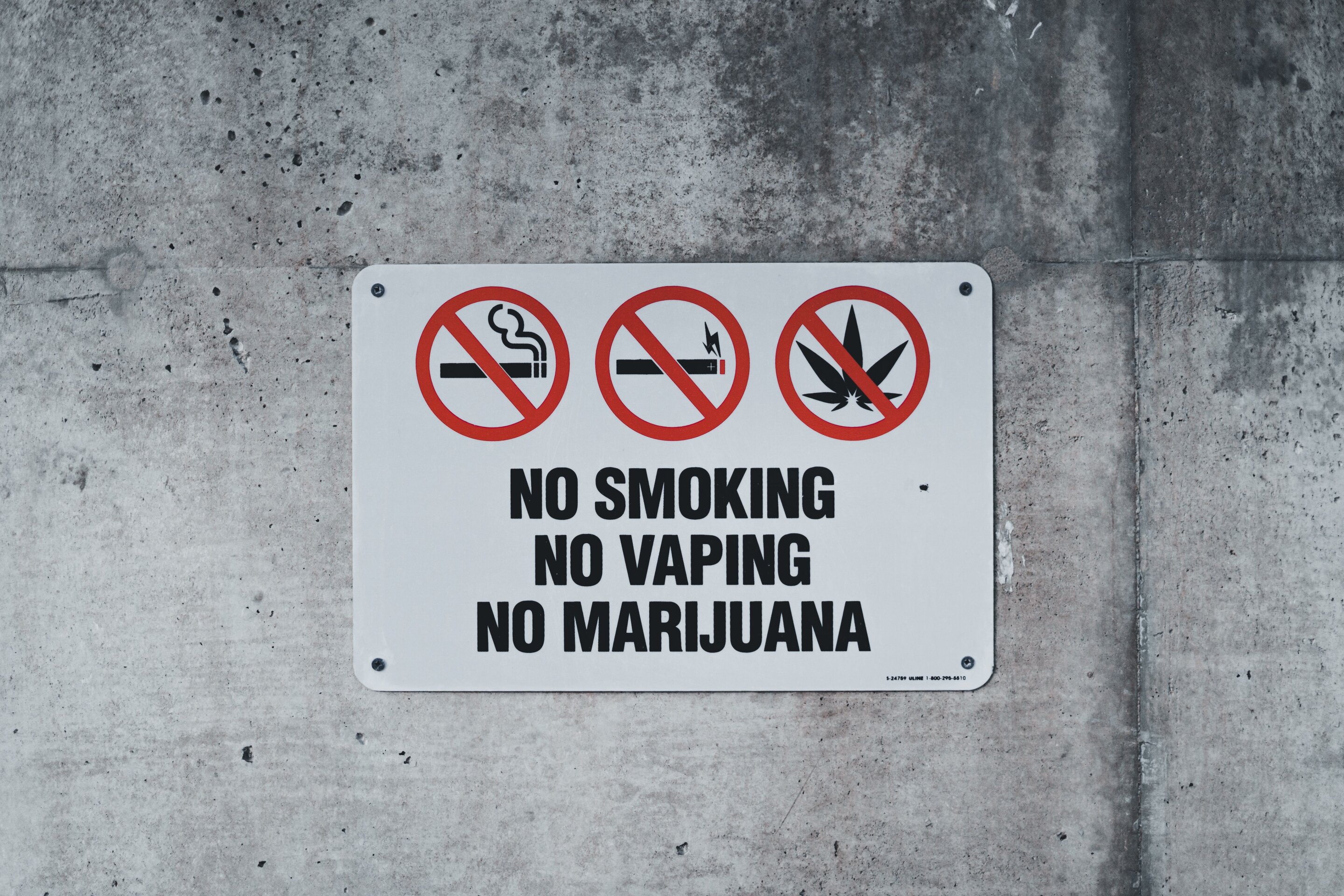
Public support for limiting cigarette smoking in shared spaces increased across all 50 states over three decades, according to a study published in BMJ Public Health. Researchers at the University of California San Diego said the work gives public health programs a new way to measure whether anti-smoking policies and campaigns are changing social attitudes.
The study, led by researchers at UC San Diego’s Herbert Wertheim School of Public Health and Human Longevity Science, analyzed responses from 1.5 million people who took part in the Tobacco Use Supplement to the Current Population Survey. The survey data covered 1992 through 2022 and included respondents across the United States.
Researchers built and validated a measure they called the Willingness to Restrict Smoking scale. According to the study, the scale assesses how strongly people support limits on smoking in public settings and may help address a long-running problem in tobacco research: how to quantify social norms around smoking and secondhand smoke.
Survey participants were asked whether smoking should be allowed in places including hospitals, workplaces, restaurants, shopping malls, bars, playgrounds and casinos. The study found that support for smoke-free settings rose steadily over time, with especially strong gains for indoor public places.
Hospitals and playgrounds drew the highest levels of support for smoking restrictions throughout the period studied, according to the researchers. The findings indicate that attitudes against secondhand smoke exposure became more common over time in a wide range of public settings.
The authors said the results support a tobacco-control strategy that focuses on shifting public expectations about where smoking is acceptable. That approach became a major part of U.S. public health policy in the early 1990s, when the National Cancer Institute encouraged programs to focus beyond individual smoking behavior and address broader social norms, according to UC San Diego.
California’s tobacco-control work was cited by the researchers as an early example of that strategy. UC San Diego said the California Tobacco Control Program helped change views on smoking in bars through media campaigns featuring bar workers and outreach to bar owners and employees before California adopted a smoke-free bar law in the late 1990s.
The new scale remained stable and reliable across survey years even though the survey questions and listed settings changed over time, according to the study. The researchers said that consistency could make the measure useful for comparing attitudes across years and across states.
Public health programs could use the scale to assess whether tobacco-control efforts are changing public opinion, the authors said. The study frames social norms as one part of the decline in U.S. cigarette smoking, with restrictions on secondhand smoke exposure serving as a measurable marker of that shift.
The paper, “Social norms and the decline in US cigarette smoking: evidence from 30 years of US representative surveys,” lists David R. Strong and colleagues as authors. It was published in BMJ Public Health with the DOI 10.1136/bmjph-2024-002389.
This story draws on original reporting from Medical Xpress.