
Iran conflict pushes energy buyers to rethink Hormuz risk
Energy experts say the war has sped up efforts to bypass the Strait of Hormuz and strengthen renewable energy plans.
By Lucas Ferreira · Science & Environment Writer
3 min read
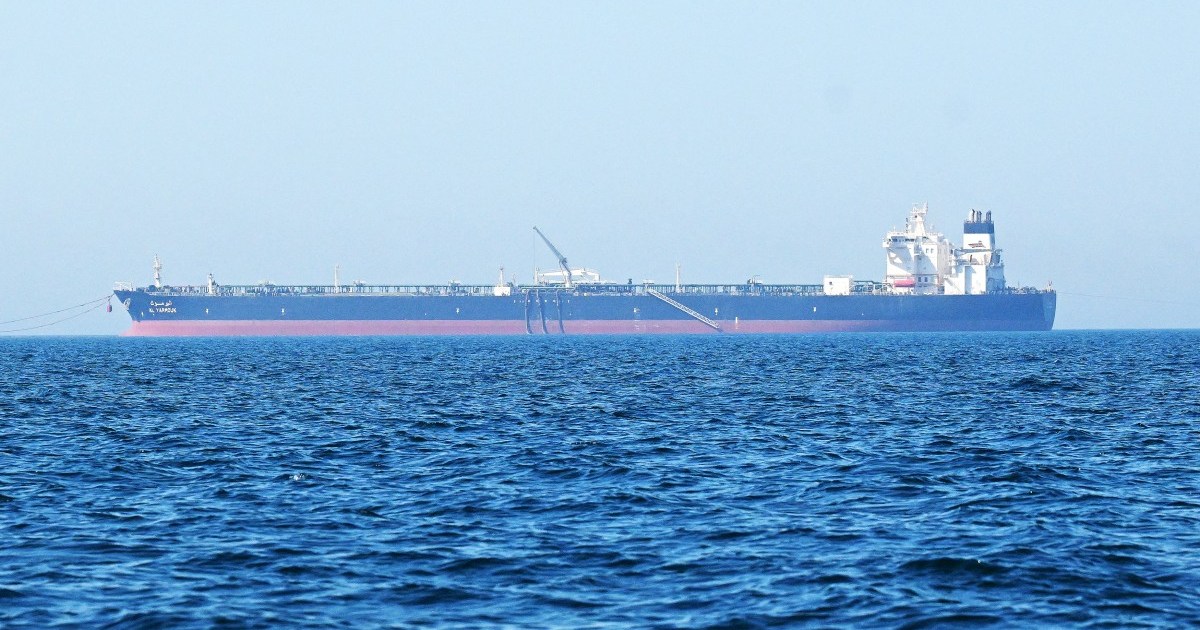
The United States and Israel’s war on Iran has disrupted energy markets and pushed governments and companies to reassess their reliance on Gulf shipping routes, Al Jazeera reported. Energy analysts told the outlet the effects are likely to last even if US-Iran talks produce a durable settlement.
Since the conflict began in late February, oil prices have moved sharply, reaching levels last seen around the start of Russia’s full-scale invasion of Ukraine in 2022 before falling back near prewar levels, according to Al Jazeera. Governments from Tokyo to New Delhi to London have introduced emergency measures to shield consumers from higher fuel costs, the outlet reported.
Hormuz remains the central risk
The Strait of Hormuz sits at the center of the disruption. Al Jazeera reported that about one-fifth of the world’s oil and liquefied natural gas moved through the waterway in peacetime.
Iran agreed in a June 17 memorandum of understanding with the United States to make its “best efforts” to help secure passage through the strait, according to Al Jazeera. The outlet also reported that Tehran has continued to assert a right to control the route.
Shipping through the strait rose to more than 70 transits on June 24, then fell again after attacks on two commercial vessels that were widely blamed on Iran, Al Jazeera reported. Energy suppliers have tried to send more crude by land using Saudi Arabia’s East-West Pipeline, the United Arab Emirates’ Abu Dhabi Crude Oil Pipeline and the Iraq-Turkiye Crude Oil Pipeline.
Those routes cannot replace Hormuz at current scale, according to Al Jazeera. The outlet reported that their combined capacity is well below the roughly 20 million barrels of oil that moved through the strait each day before the war.
Producers and buyers seek alternatives
Adi Imsirovic, a veteran oil trader and University of Oxford lecturer, told Al Jazeera that the conflict would drive new pipelines, new security measures and more diversification by buyers of Middle Eastern oil. Dan Marks, an energy security research fellow at the Royal United Services Institute in London, told Al Jazeera that concern over Hormuz transits would remain as long as Iran’s government is at odds with the United States and Israel.
June Goh, a senior oil market analyst at commodities data firm Sparta, told Al Jazeera that producers are likely to seek more pipeline export routes out of the Middle East. Buyers, she said, are likely to keep stronger strategic petroleum reserves.
Renewables get a boost
The war is also expected to speed investment in renewable energy, according to experts cited by Al Jazeera. Simon Stiell, the United Nations’ top climate official, told an International Energy Agency meeting in April that the conflict was already accelerating the shift toward renewables.
Global renewable energy capacity reached a record in 2025, and non-fossil fuel projects made up about 86 percent of new power capacity that year, according to the International Renewable Energy Agency, as cited by Al Jazeera.
Mohamed Elheddad, an economics lecturer at the University of Lancashire, told Al Jazeera that geopolitical risk raises the real cost of relying on fossil fuels and may bring forward investment decisions already under consideration. Maurice Obstfeld, a senior fellow at the Peterson Institute for International Economics and a former International Monetary Fund chief economist, told Al Jazeera that China is well placed to benefit because of its strength in renewable energy equipment.
China makes more than 80 percent of the world’s wind turbines, solar panels and energy storage batteries, according to Wood Mackenzie research cited by Al Jazeera. Elheddad also told the outlet that the United States and Qatar could strengthen their roles as reliable energy suppliers, with the US acting as a flexible LNG supplier and Qatar as a long-term contract partner.
This story draws on original reporting from Al Jazeera.