
Heat dome to drive dangerous holiday-week heat across US
Forecasters say more than 60 million people face heat alerts as high pressure traps hot, humid air over central and eastern states.
By Lucas Ferreira · Science & Environment Writer
4 min read
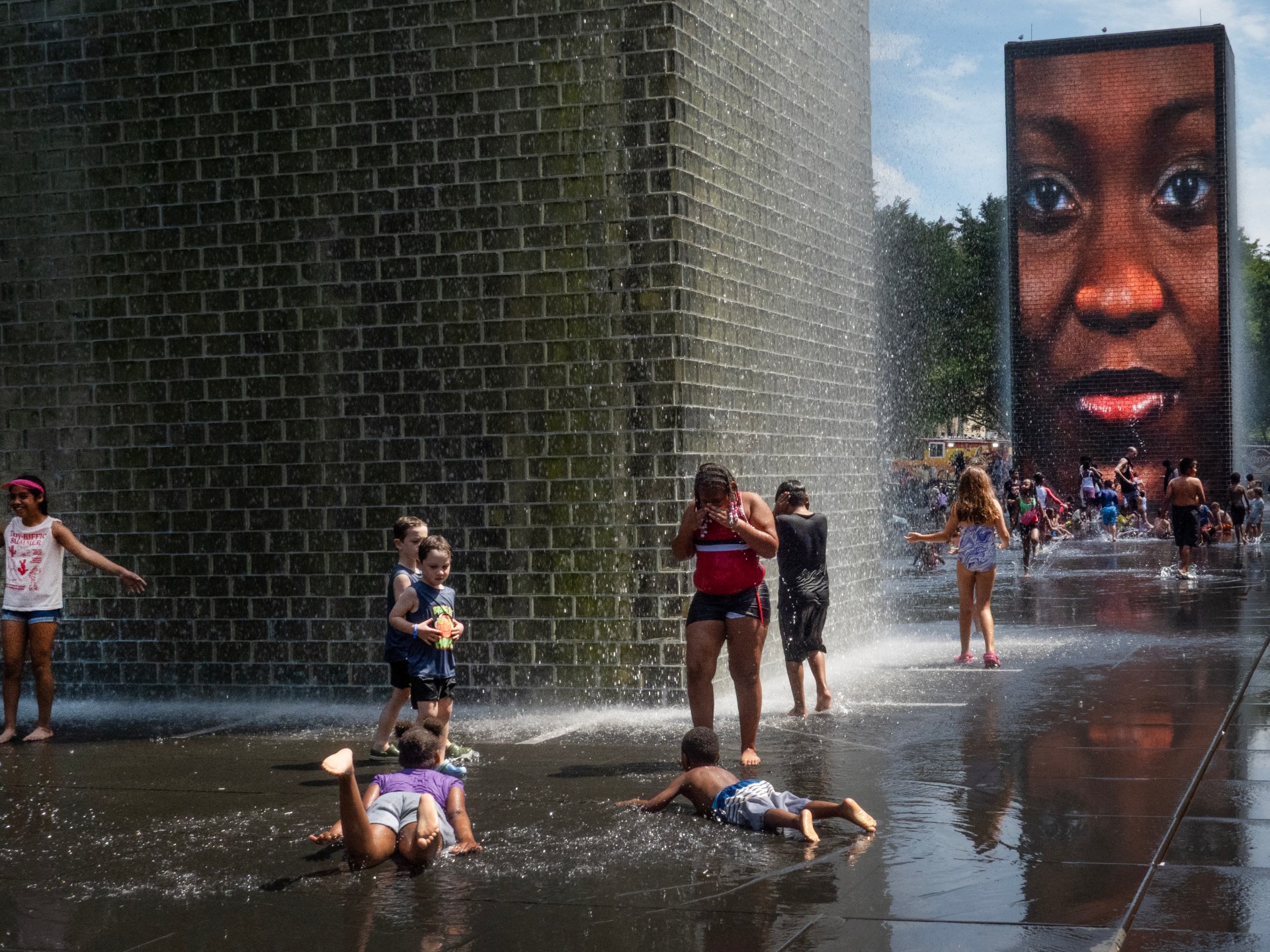
A dangerous heatwave is forecast to spread across much of the central and eastern United States this week, with a heat dome expected to keep temperatures and humidity high into the Fourth of July weekend. The National Weather Service says more than 60 million people are under heat alerts, and some areas could see conditions feel as hot as 46C, or 115F.
The timing raises risks for holiday crowds and FIFA World Cup events in several US cities. Forecasters told Al Jazeera, AFP, AP and Reuters that dozens of temperature records could fall as the system strengthens and shifts east.
How a heat dome works
A heat dome forms when a large high-pressure system sits over a region and traps hot air near the ground, according to forecasters cited by Al Jazeera. Warm air sinking under that pressure compresses and heats further, while the system blocks cooler air and storms from moving through.
With limited cloud cover and weaker winds, the sun heats the surface more directly. That pattern can keep heat in place for several days and make a heatwave more severe.
Where the heat will be worst
The National Weather Service expects the most intense heat on Thursday and Friday, with dangerous conditions continuing into early July. Areas from the Great Plains to the Southeast and mid-Atlantic are forecast to remain hotter than usual into next weekend.
Forecasters say the highest-risk zone runs broadly from the Great Lakes to the East Coast. New York City, Philadelphia, Washington, Baltimore, Chicago, Indianapolis, Detroit and St Louis are among the cities expected to be affected, while Dallas, Little Rock and Memphis are also forecast to face high temperatures.
Many locations could reach the high 30s Celsius, or low 100s Fahrenheit, during the day, according to the forecasts. Humidity will push the heat index higher, with parts of the central and eastern US potentially feeling between 40C and 46C, or 100F to 115F.
NWS meteorologist Bryan Putnam said the heat could affect anyone, not only older adults, young children or people doing strenuous activity outdoors. He said the risk is heightened as more people spend time outside ahead of the holiday weekend.
Little relief overnight
Forecasters also warned that nights may stay hot, with overnight temperatures expected to remain in the 20s Celsius, or 70s Fahrenheit. That can make it harder for people without air conditioning to sleep and recover from daytime heat.
AccuWeather senior meteorologist Alan Reppert said conditions will remain very hot after sunset, with heat lasting through the afternoon and into the evening hours.
Cities prepare for crowds
Several cities are taking emergency steps as temperatures rise. Chicago officials said the city would open cooling centres and send workers to check on vulnerable residents.
In New York City, Mayor Zohran Mamdani’s office announced a heat response that includes hydration vans and temporary cooling sites with misting fans and cooling towels, according to Al Jazeera. In Philadelphia, organisers have changed FIFA Fan Festival hours so events begin later in the day.
Washington, DC, is expected to top 38C, or 100F, from Thursday through Saturday, according to forecasters. The heat will overlap with Fourth of July events, including a National Mall fireworks display that organisers describe as the largest ever held there.
How to reduce heat risk
The National Weather Service advises people to drink water, avoid heavy outdoor exertion during the hottest hours and use air conditioning or cooling centres where available. People outside should wear loose, lightweight clothing and seek shade.
Experts cited by Al Jazeera said prolonged heat becomes more dangerous when the body cannot cool overnight. They recommend drinking water before thirst sets in and limiting alcohol, which can raise the risk of dehydration.
Geoff Cornish, assistant chief video meteorologist at AccuWeather, said warning signs include feeling hot without sweating or becoming dizzy. He said people with those symptoms should get indoors, cool down, drink water and seek medical care if symptoms become serious.
This story draws on original reporting from Al Jazeera.