
Indonesia free meals plan faces graft probes and waste claims
Prabowo Subianto’s school meals initiative is under scrutiny over alleged procurement fraud, surplus kitchens and reported food poisoning cases.
By James Whitfield · Staff Writer
3 min read
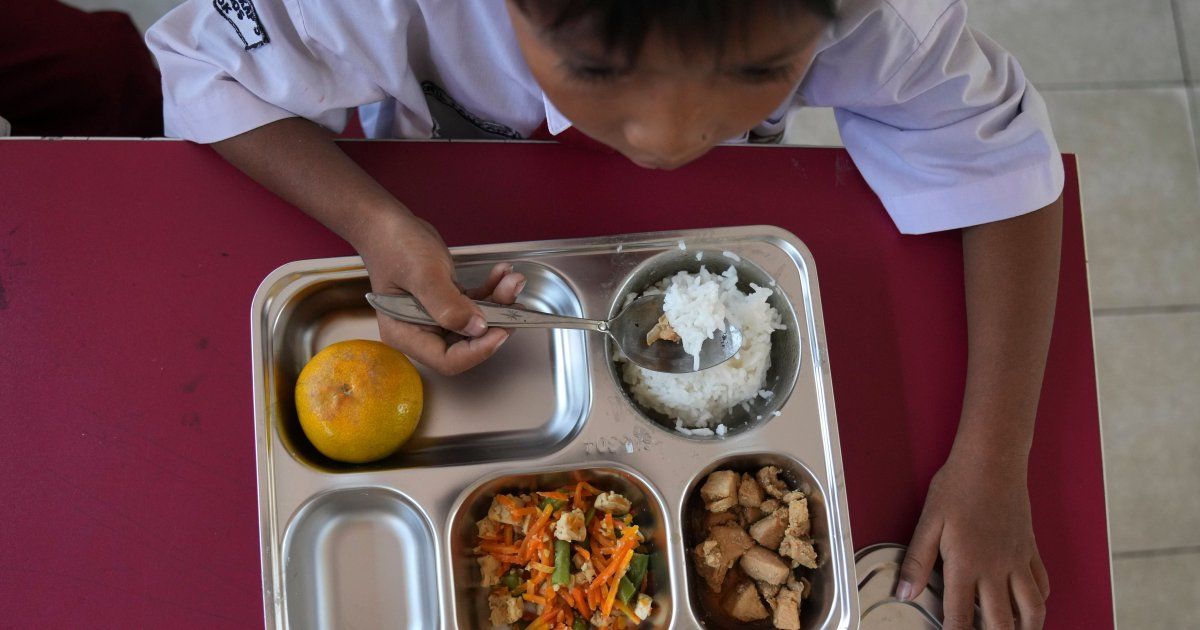
Indonesia’s flagship free meals programme is facing corruption investigations and waste allegations, putting pressure on President Prabowo Subianto’s signature social policy. Al Jazeera reported that the $15bn Free Nutritious Meals initiative, launched in 2025 to reduce child stunting and support learning, has come under scrutiny as officials try to control its cost and rollout.
The programme was designed to serve children, pregnant women and other groups while supporting local suppliers, according to Al Jazeera. Indonesia has cut stunting over the past decade to about 20 percent of children nationwide, according to the World Bank, but rates remain high in several eastern provinces and outer islands.
Al Jazeera reported that the scheme has expanded over 18 months to nearly 28,000 kitchens, with each facility able to provide up to 3,000 meals a day. Critics told the outlet that the system has become hard to manage and vulnerable to abuse.
Authorities arrested the head of the National Nutrition Agency and two deputies in early June over alleged procurement fraud valued at $56m, according to Al Jazeera. Investigators have since widened the case to seven people, including an active-duty police officer and a military officer, the outlet reported.
The government spent $2.8bn to launch the programme in 2025, according to Al Jazeera. In May, officials reduced this year’s budget from $18.4bn to $14.7bn after Prabowo ordered funds to be used more efficiently, the outlet reported.
Ronny Sasmita, a senior analyst at the Jakarta-based Indonesia Strategic and Economic Action Institution, told Al Jazeera that the country could not afford even the reduced programme, which is partly funded by money shifted from health and education budgets. He said the size and nationwide structure of the scheme created many points where money could leak.
The kitchens are funded by the state but run through foundations in a franchise-style model, rather than through school canteens, according to Al Jazeera. The Center of Economic and Law Studies, an Indonesian think tank, said some foundations have links to the police and military.
Kitchen operators have also received daily incentive fees of 6 million rupiah, or about $324, according to Al Jazeera. Local media reports cited by the outlet said at least 18,000 kitchens are on Java, Indonesia’s richest and most populated island, while about 270 kitchens were set up in both Papua, where several provinces have among the country’s highest stunting rates, and Bali, which has the lowest rate.
Annette Mau of the Indonesian Mothers Alliance, one of the civil society groups monitoring the programme, told Al Jazeera that the poorest and most isolated areas were being served least effectively. She also questioned why public funds were feeding children from wealthier households while some children still faced food insecurity.
Government data cited by Al Jazeera showed pregnant women and toddlers accounted for just 5 percent of 25.78 million recipients reached from January to September 2025, even though anti-stunting efforts are most effective for those groups. The Indonesian Education Monitoring Network said food poisoning cases linked to the programme had reached 33,000 by April 2026.
Coordinating Minister for Food Zulkifli Hasan said in June that the programme had nearly 7,000 surplus kitchens, with incentive payments for those extra facilities costing the state 1 trillion rupiah, or about $54m, each month, according to Al Jazeera. He also said permits may have been traded by operators, contributing to the excess number of kitchens.
Al Jazeera reported that the National Nutrition Agency and Prabowo’s office did not respond to requests for comment. The agency has said it will prepare a targeted scheme for mothers and toddlers in underdeveloped, frontier and outermost areas, while the government may cut another $2.2bn from the programme.
Prabowo has defended the meals plan. In remarks reported by Indonesia’s Antara news agency, he said people should ask farmers, fishermen and children whether the programme is needed, adding that he did not see anything more urgent than an empty stomach.
This story draws on original reporting from Al Jazeera.