
Pakistan urges restraint after US-Iran ceasefire breaks down
Islamabad said renewed fighting would harm all sides as US and Iranian attacks put a Pakistan-brokered truce under strain.
By Lucas Ferreira · Science & Environment Writer
3 min read
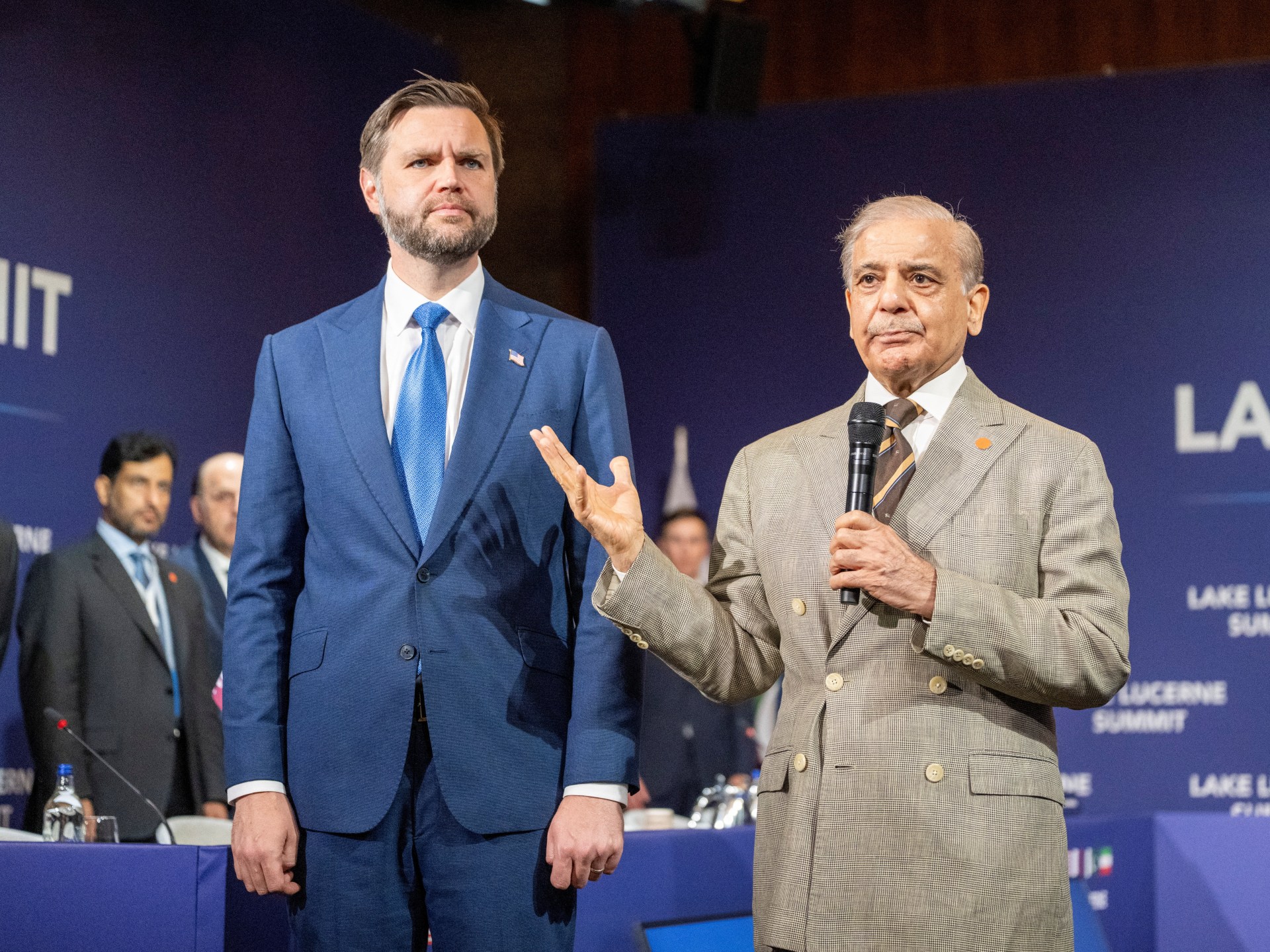
Pakistan called for restraint after a nearly three-week pause in fighting between the United States and Iran gave way to new attacks. The appeal matters because Islamabad has been acting as a mediator, and the latest escalation threatens a memorandum meant to keep the conflict contained.
Pakistan’s Ministry of Foreign Affairs said Wednesday that “a renewed conflict is in no one’s interest” and urged all parties to meet their obligations under the Islamabad Memorandum of Understanding. The ministry described the agreement, brokered by Pakistan in April, as a basis for regional understanding, mutual respect and economic benefit.
The ministry said Pakistan remained prepared to keep helping efforts to reduce tensions. Al Jazeera reported that senior Pakistani officials declined to expand beyond the ministry statement when asked for further comment.
US and Iran trade attacks
Al Jazeera reported that Pakistan’s statement followed a second straight night of US strikes on Iran. The attacks hit about 90 targets, including coastal radar sites, missile and drone storage locations and naval assets, according to Al Jazeera.
Iran’s Islamic Revolutionary Guard Corps answered with missiles and drones aimed at US military sites in Kuwait and Bahrain, Al Jazeera reported. Those targets included Camp Arifjan in Kuwait and the US Fifth Fleet headquarters in Juffair, Bahrain, while Iran also sent drones toward a location in Qatar.
Iranian state media reported that one soldier was killed in Iranshahr and eight air force and navy personnel were killed in Bandar Abbas and Bushehr. Al Jazeera said the latest exchange came after Iranian attacks on three commercial ships in the Strait of Hormuz on Monday and Tuesday, including a Qatari-owned tanker.
After the ship attacks, Washington restored sanctions on Iranian oil exports by canceling a waiver granted under the memorandum, according to Al Jazeera. US President Donald Trump, speaking at a NATO summit in Ankara on Wednesday, said the ceasefire was “over,” insulted Iranian leaders and threatened to restore a US naval blockade and strike Kharg Island, Iran’s main oil export terminal.
Trump later told reporters aboard Air Force One that Iran had called seeking a deal, but said he was unsure whether Iranian leaders were “worthy of making a deal.” He also repeated his claim that he is Iran’s “number one” assassination target.
Regional governments press for diplomacy
Qatari Prime Minister Sheikh Mohammed bin Abdulrahman bin Jassim Al Thani urged diplomacy in a phone call with Iranian Foreign Minister Abbas Araghchi, according to Al Jazeera. Qatar also condemned the drone attack on its territory and called for implementation of the June 17 memorandum.
Egypt called for restraint and de-escalation to protect regional peace, while Kuwait described attacks on its territory as a violation of its sovereignty. Gulf Cooperation Council Secretary-General Jasem Mohamed AlBudaiwi said the attacks on Bahrain and Kuwait weakened efforts to preserve regional stability.
The renewed fighting took place as Iran held weeklong funeral ceremonies for Supreme Leader Ali Khamenei, who Al Jazeera reported was killed in the first strikes of the US-Israel war on Iran on February 28.
Jauhar Saleem, a former Pakistani diplomat and president of the Institute of Regional Studies in Islamabad, told Al Jazeera that the mediation effort was under severe pressure. He said both sides needed more flexibility and warned that intermediaries could not succeed without cooperation from Washington and Tehran.
This story draws on original reporting from Al Jazeera.