
World Cup ticket prices fuel debate over football’s direction
Rising 2026 World Cup costs and tactical caution have renewed scrutiny of how money has changed football, according to Al Jazeera.
By Daniel Okafor · Business Editor
3 min read
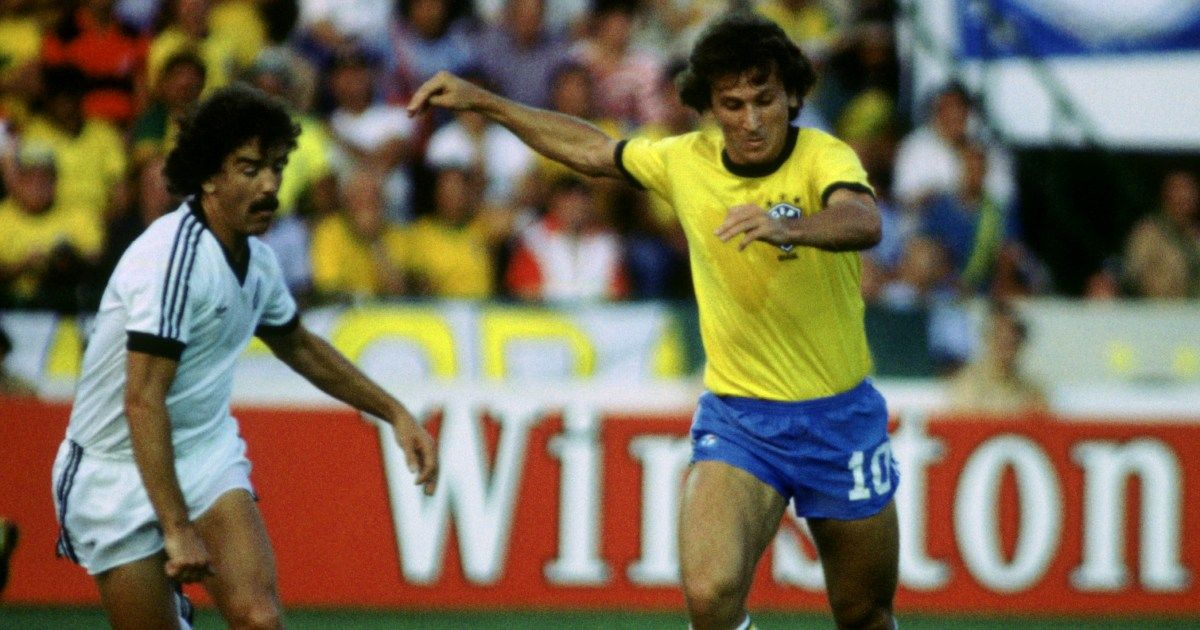
The 2026 World Cup has sharpened questions about whether elite football has moved too far from its creative roots and too close to a high-priced entertainment product. Al Jazeera writer Rahul Pathak reported that the tournament’s ticket costs, expanded format and tactical trends have made the issue harder for supporters to ignore.
Pathak framed the debate through Pele’s 2014 criticism of modern football before the World Cup in Brazil. Pele said players no longer cared enough about “the beautiful game” or the elegance of football, adding that in his era players tried to “give a little show.”
That Brazil tournament became a marker in the discussion, according to Al Jazeera. A home side featuring Neymar, Oscar and Hulk was expected to display attacking flair, but Brazil lost 7-1 to Germany in the semifinals. Pathak described that German team as a model of modern efficiency: disciplined, athletic and built around a strict tactical plan.
Commercial growth changed the stakes
Al Jazeera traced a major turning point to 1974, when Joao Havelange became FIFA president. The report said his election opened the way for larger global sponsorship deals, including long-running commercial relationships with brands such as Adidas and Coca-Cola.
Broadcast money also grew, according to Al Jazeera, as national television deals expanded and sports cable subscriptions began to emerge around 1980. Pathak wrote that the financial rewards altered the incentives of top-level football, putting greater pressure on teams to win rather than entertain.
Al Jazeera noted that Pele’s 1970 Brazil team in Mexico is widely regarded by football historians as one of the last World Cup winners to fully represent that ideal of expressive football. Four years later, Brazil were surpassed by teams such as the Netherlands, whose “total football” system replaced fixed positions with rapid movement and interchange.
The Netherlands reached the 1974 final with Johan Cruyff leading a fast, attacking side, but West Germany won the tournament. Brazil’s 1982 team, featuring Socrates, Zico, Eder and Junior, earned similar admiration for its style before being knocked out by eventual champion Italy, Al Jazeera reported.
Costs put pressure on supporters
The commercial debate now extends well beyond tactics. Al Jazeera reported that a recent survey by English supporter groups found top-tier football tickets in England had risen by 800 percent since 1990, putting Premier League matches out of reach for many ordinary fans.
At the 2026 World Cup, ticket prices have ranged from $60 to more than $10,000, while FIFA is expected to generate nearly $9bn in revenue, according to Al Jazeera. Data cited from GiveMeSport showed that a category one World Cup final ticket cost $475 in 1994, equal to $1,074.45 in 2026 dollars.
GiveMeSport’s figures put the comparable 2026 price at $10,990. The data also showed the sharpest jump came between the 2022 and 2026 tournaments, with a category one final ticket rising 600 percent and the inflation-adjusted price increasing from $1,833.91 to $10,990.
Al Jazeera also pointed to one counterweight in the expanded 48-team format. While the change created more matches and more advertising opportunities, it also gave smaller nations a route onto the sport’s biggest stage.
Cape Verde became the example cited by Al Jazeera. In their first World Cup, they reached the knockout rounds and lost 3-2 after extra time to defending champion Argentina, after also facing Spain and Uruguay. Pathak wrote that their run showed football can still produce moments of beauty despite the sport’s commercial pressures.
This story draws on original reporting from Al Jazeera.