
India post offices test eye screenings to widen access to reading glasses
A pilot in Assam is using post offices to screen residents for presbyopia and hand out free reading glasses in underserved communities.
By James Whitfield · Staff Writer
3 min read
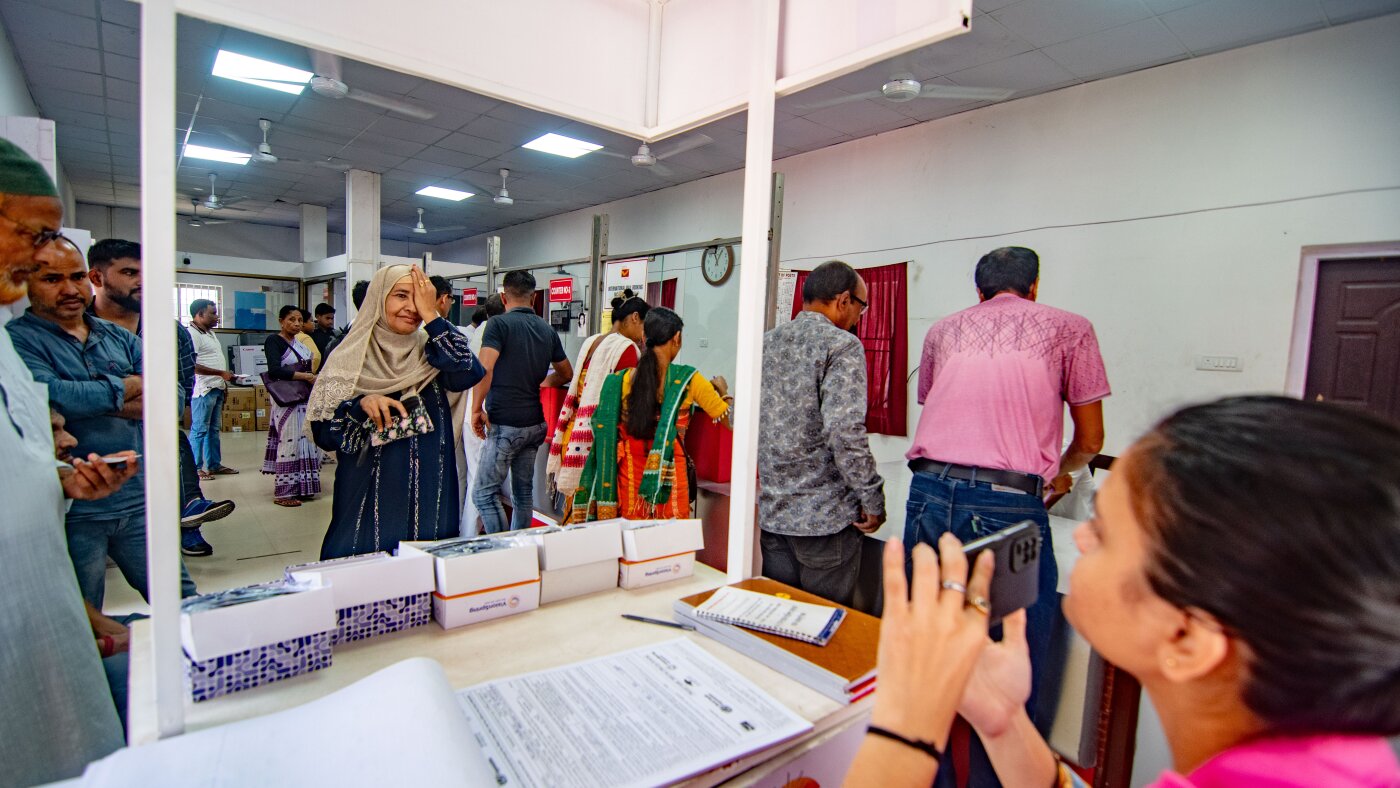
Post offices in parts of India are being used as eye-screening sites in a pilot meant to get reading glasses to people who cannot easily reach vision care. NPR reports that the program in Assam State is testing whether an everyday public service can help close a large gap in access to basic eyeglasses.
The need is broad. According to the World Health Organization, more than 800 million people worldwide have presbyopia, the age-related loss of near vision that can often be corrected with reading glasses. WHO says that in many lower-income countries, fewer than one in four people who need eyeglasses have them.
NPR described the work through the experience of Sangita Kalita, a former schoolteacher in Rangiya, Assam, whose mother and mother-in-law struggled to read small letters in sacred Hindu texts at a local naamghar, or temple. Kalita told NPR that for her family, getting reading glasses had been costly and difficult.
In many wealthier countries, reading glasses can be bought in common retail stores. NPR reports that in lower-resource settings, people may have to travel to a hospital or specialized optical shop, often in a larger city, to get a pair.
Screenings at the counter
Kalita now works at a red-and-white kiosk inside the Rangiya post office, NPR reports. She watches customers who have trouble with forms or fine print and asks whether they want a quick eye test.
At the kiosk, customers complete basic screening tasks in a spiral-bound booklet. NPR reports that people who need reading glasses receive a free pair before leaving.
The model grew from a partnership between WHO and the Universal Postal Union, according to NPR. A WHO-UPU report cited by NPR says the world has an estimated 680,000 post offices, giving postal systems a way to reach remote and underserved areas.
India is a major test case because of the size of its postal network. NPR reports that India Post has more than 150,000 offices.
Shweta Verma, deputy director for programs and operations at VisionSpring India, told NPR the effort was designed around an existing system with reach, buildings and staff. VisionSpring is running the Assam pilot, according to NPR.
More than 5,000 screened
Between December 2025 and May 2026, more than 5,000 people were screened at five post offices in Assam State, Verma told NPR. She said 80% of those who received glasses had not worn them before.
Verma told NPR that the first-time wearer figure suggested the area had lacked prior screening or eye-health services. The program also had to address concerns from postal workers who worried about added workload, she said.
VisionSpring hired and trained outside workers, including Kalita, to run the screenings, according to NPR. Verma said support from postmasters grew after the pilot began.
Babul Boro, the postmaster at the office where Kalita works, told NPR that more than 1,000 people had come in for eye tests since the pilot began in December 2025. He said many also used postal services, making him hopeful the program would continue.
VisionSpring CEO Ella Gudwin told NPR the current pilot is scheduled to end in September. She said the organization will review the data and funding before deciding whether to continue or expand it.
WHO and UPU have expressed interest in taking the model to other countries, NPR reports. The organizations also say post offices could support a wider set of health-related services.
NPR cited Dr. Elisabeth Rosenthal of KFF Health News, who has written about using post offices for medical and social support. She pointed to France and Japan as examples where postal workers already help check on older residents, while in some U.S. areas carriers can report signs such as uncollected mail so a local agency can conduct a welfare check.
This story draws on original reporting from NPR.