
IEA warns Hormuz disruption could threaten oil security
Fatih Birol said oil security remains at risk as US-Iran fighting and Iran’s closure of the Strait of Hormuz disrupt a key shipping route.
By Daniel Okafor · Business Editor
3 min read
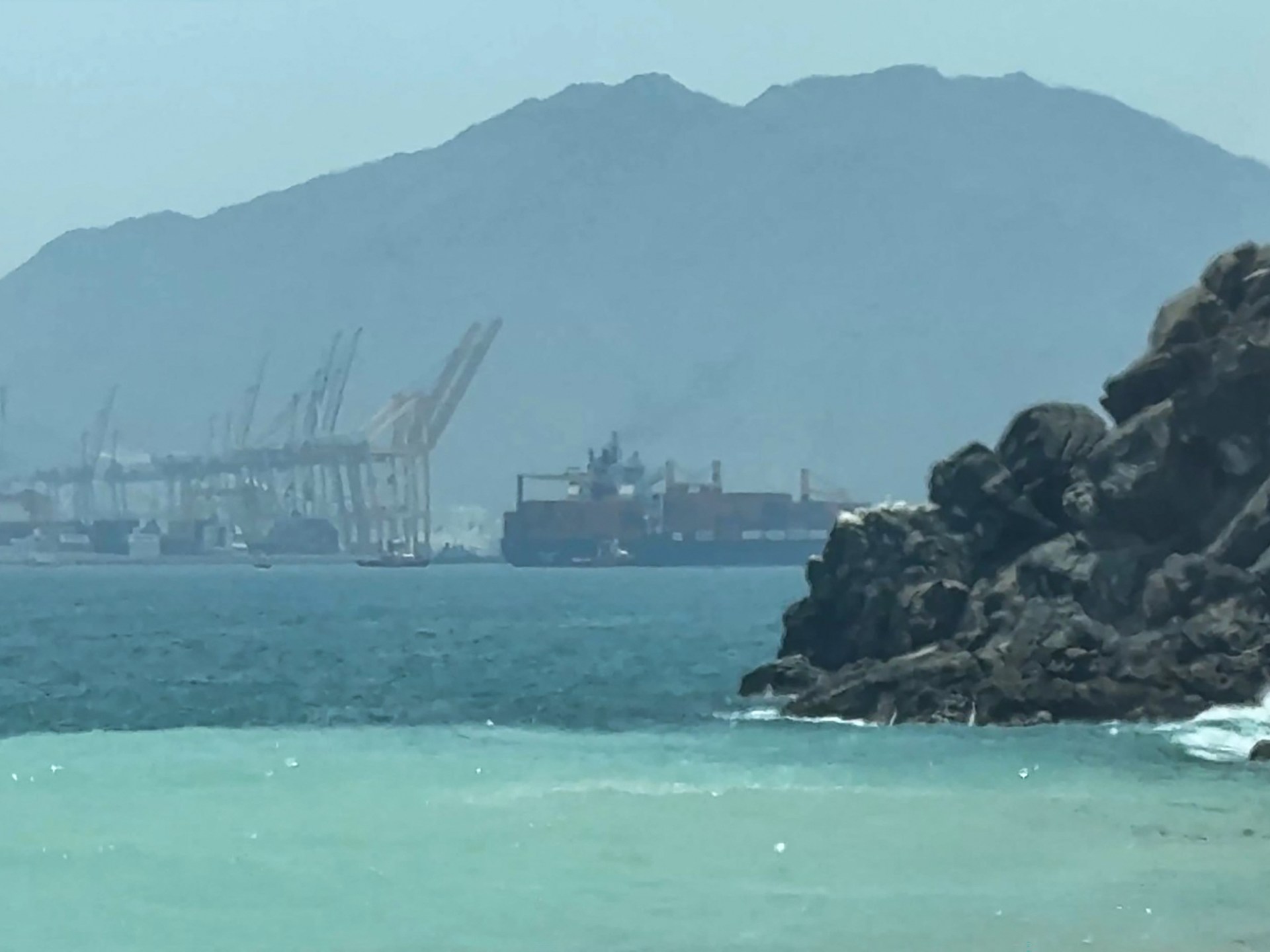
The head of the International Energy Agency warned that global energy security could face a serious threat if oil movement through the Strait of Hormuz does not improve soon. Fatih Birol’s warning matters because about one-fifth of the world’s seaborne oil passes through the waterway, according to Al Jazeera.
Birol, speaking Thursday at a Council on Foreign Relations event, said oil security remained a critical concern. He said the world should be worried if conditions in and around the strait do not improve in the coming weeks.
The warning came as fighting between the United States and Iran intensified. Al Jazeera reported that the US carried out a sixth consecutive night of strikes on Iran, hitting Bandar Abbas, Ahvaz and Iranshahr, and fired on a ship it accused of trying to breach a reimposed naval blockade on Iranian ports.
Tehran responded with missiles and drones aimed at US allies in the region, according to Al Jazeera, which said Kuwait, Bahrain and Jordan were targeted. Explosions were also reported in Qatar.
Ceasefire memorandum under strain
The escalation has threatened a memorandum of understanding between Washington and Tehran, according to Al Jazeera. The agreement was signed in Pakistan a month ago and was intended to secure a ceasefire.
Al Jazeera’s Tohid Asadi reported that US strikes on Iranian coastal cities were increasingly hitting infrastructure, including two bridges. He also reported that Iran continued to keep the Strait of Hormuz closed, citing what Tehran described as a lack of US commitment to the memorandum.
Iran’s Fars news agency said the death toll from a US strike on the Bandar-e Khamir bridge in Hormozgan province had risen to seven. Iran’s military also said it had carried out a retaliatory strike on a US military base in Jordan.
Iranian Armed Forces spokesman Abolfazl Shekarchi said the United States should stay out of the Strait of Hormuz and withdraw from the region. He said the strait would not return to its prewar condition and argued that Iran and Oman hold sovereignty over it, leaving no role for outside powers, especially the US.
US cites alleged violations
Al Jazeera’s Rosiland Jordan reported that US Central Command had not issued a formal account of its sixth night of attacks on Iran. CENTCOM said five vessels had attempted to “run the blockade” since it was reimposed, with three turned back and one disabled, though it did not explain how the vessel was disabled.
US Marines also boarded an oil tanker, according to Al Jazeera, though it was unclear whether the tanker remained in US custody.
White House Press Secretary Caroline Leavitt said Iran had brought the latest destruction on itself. She said the recent US strikes followed what Washington described as Iran’s violation of the memorandum of understanding, specifically by firing on commercial ships moving through the Strait of Hormuz.
Earlier in the week, US President Donald Trump continued to say that diplomacy could still end the war, according to Al Jazeera.
This story draws on original reporting from Al Jazeera.