
Colombia opposition groups protest proposed de la Espriella spending cuts
Thousands marched in Colombian cities over proposed spending reductions, social protections and new police powers for protests.
By Lucas Ferreira · Science & Environment Writer
3 min read
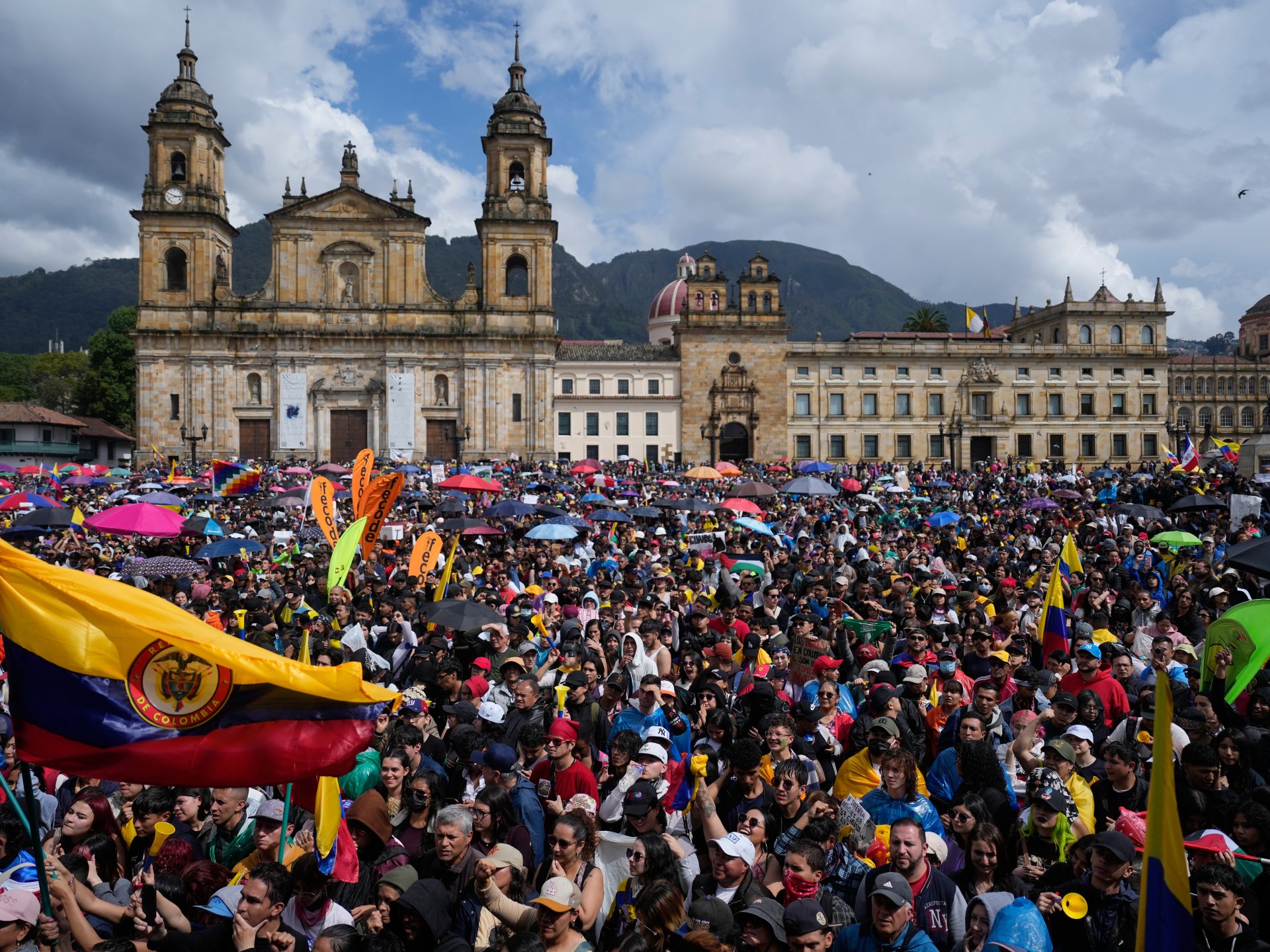
Thousands of people joined Colombia protests against de la Espriella cuts in cities including Bogota on Oct. 14, bringing together opposition parties, trade unions, Indigenous organizations and social movements. The demonstrations came as Congress considered the 2027 budget and allies of President Abelardo de la Espriella advanced proposals to reduce public spending, according to Al Jazeera and Anadolu.
The march was the opening day of a nationwide campaign led by former President Gustavo Petro, Al Jazeera reported. Protesters say the fiscal proposals could weaken labor protections, health care and public education funding, though the reports reviewed did not set out a detailed list or value of any enacted program cuts.
Why are Colombians protesting de la Espriella's spending plans?
The immediate dispute is over proposed restraint in the 2027 budget. Congress faced a deadline the following Tuesday to approve the plan, while de la Espriella allies pursued lower government spending, Al Jazeera reported.
Demonstrators also raised wider concerns about policies that they say could reverse gains made under Petro, whose administration expanded access to public universities, raised the minimum wage and strengthened worker protections, according to Al Jazeera. Anadolu reported that teachers' unions called for improved working conditions and health care, while student and Indigenous groups sought stronger protections for their rights.
Petro attended the Bogota protest and urged people to join the mobilization, according to Al Jazeera and Anadolu. His description of the new administration in a social-media post was political opinion, not an independently established assessment.
What did the government change before the marches?
Before the demonstrations, the government issued a decree changing how police may respond to protests. Anadolu reported that it allows officers to intervene against violent demonstrators without completing every stage of dialogue and mediation; the government said the measure preserves peaceful assembly while enabling action against vandalism, assaults and disruptions to essential services.
De la Espriella said in a social-media statement that his government respected the right to protest, while warning that violence, vandalism and blockades would not be accepted, Al Jazeera reported. The outlet said critics described the week's protests as largely peaceful; the material available does not provide a comprehensive official count of arrests, injuries or other outcomes.
Demonstrations were also reported in Cali, where an AP photograph captioned by WVNews showed a protester at a march called by unions and opposition groups. Reuters streamed a union march in Bogota, providing separate visual confirmation that the capital rally took place.
The events put two disputes before Colombia's legislature and government at once: the proposed budget reductions and the limits of the new policing rules during public demonstrations. Whether Congress adopts the spending proposals remained unresolved in the reporting available.
This story draws on original reporting from Al Jazeera.