
Goa’s old almond drink finds a second life in small kitchens
Goan orchata, once tied to elite Catholic homes, is being kept alive by families and small producers making it in limited batches.
By Daniel Okafor · Business Editor
3 min read
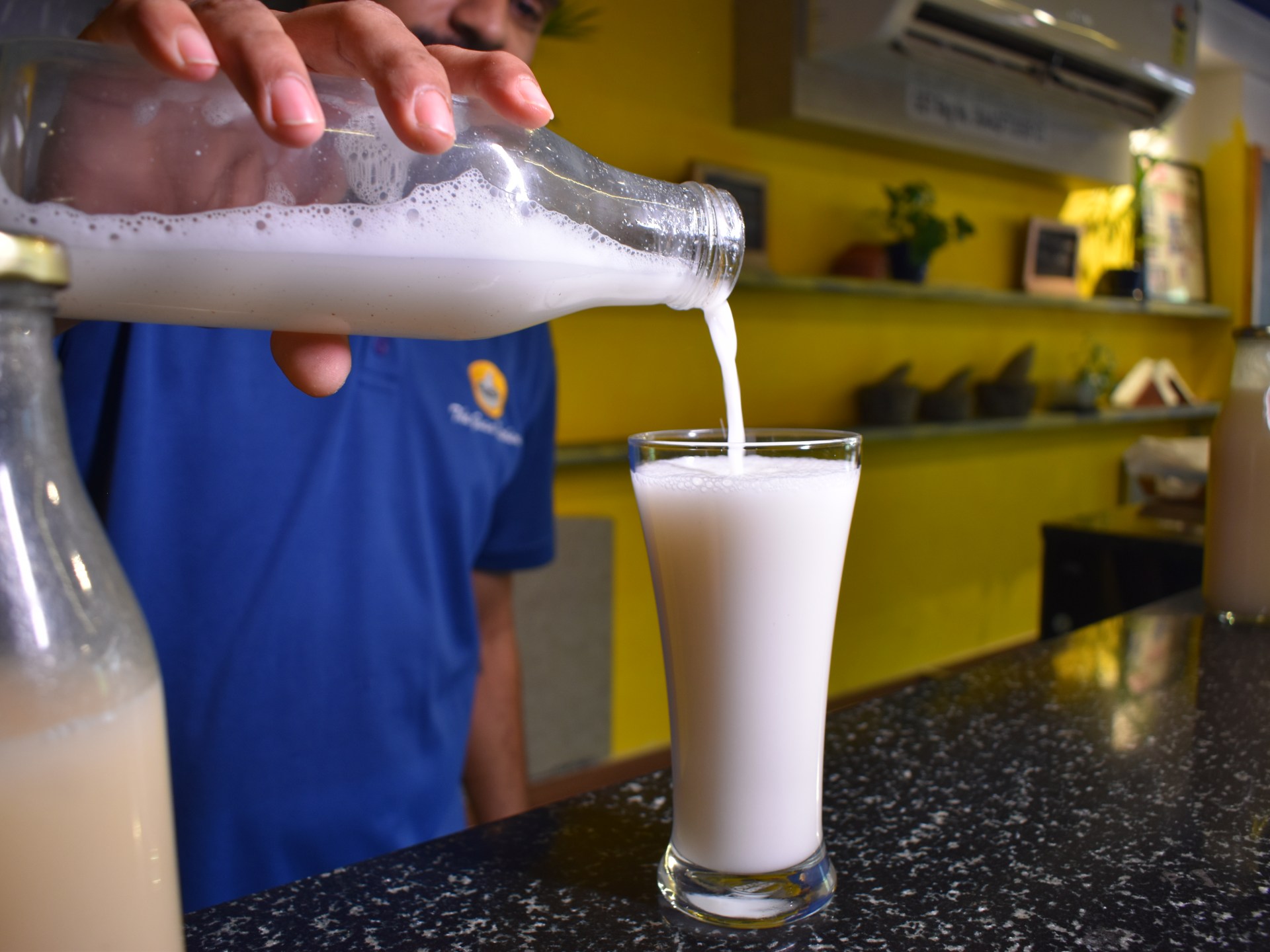
Goa’s orchata, a chilled almond drink once associated with privileged Catholic households, is surviving through family recipes and small-batch producers. Al Jazeera reported that the drink has largely faded from everyday life in the Indian state, but a few Goans are making it for loyal customers, relatives and curious newcomers.
The drink is traditionally made by soaking, peeling and grinding almonds, then cooking the paste with sugar before straining it through muslin. Some versions include rose water, cardamom or almond essence, according to Al Jazeera. The resulting concentrate is diluted with water and served over ice.
Eunice Lima Fernandes De Sa, who lives in Ribandar near Goa’s capital, Panaji, told Al Jazeera she began trying to recreate orchata after it had been unavailable for decades. She said it took “five to seven summers” of testing proportions before she arrived at the taste she remembered from childhood.
Fernandes De Sa said her family once bought bottles made by the Coelhos, a family business closely linked in local memory with orchata. She recalled that the bottles gradually vanished from shops in Panaji and were not restocked. Al Jazeera reported that some Goans believe the business closed after a key family member died, while others link its decline to competition from bottled soft drinks.
A drink shaped by class and colonial history
Oliver Fernandes, cofounder of The Goan Kitchen in Margao, told Al Jazeera that orchata’s roots go back to Moorish culture and the tiger-nut horchata of Hispania. He said the drink later moved through Spain and South America in different forms before reaching Goa through Portuguese colonisation.
In Goa, the drink kept its almond base, even though cashews are abundant in the region. Fernandes said almonds carried status because they were imported, and the drink became associated with upper-caste, Portuguese-speaking Catholic families with close colonial ties.
Al Jazeera reported that orchata was often served at weddings, feast days and family celebrations, while many Goans encountered it only in select homes, at school through nuns, or through commercial bottles. Several people interviewed by the outlet described it as a drink linked to wealth, caste and social access, rather than one shared across all Goan households.
The Goan Kitchen now offers orchata by pre-order among more than 250 Goan dishes, many of them lesser-known or at risk of disappearing, Fernandes said. The version sold there comes from cofounder Crescy Baptista’s family recipe, with adjusted sugar levels for balance and preservation.
Small demand, steady preservation
Another producer, Marcaflys, also makes orchata in Goa. Founded in 1971 by Maria and Carmo Souza, the brand is now run by their son, Joaquim Souza, according to Al Jazeera. Maria Souza, 82, has made orchata since the 1960s for family, friends and occasions.
Joaquim Souza told Al Jazeera that Marcaflys recently began selling the drink commercially in small batches, mainly during April and May. He said the company sells bottles of concentrate in supermarkets and described Marcaflys as the only licensed manufacturer of orchata today.
Demand remains limited, Souza said. He told Al Jazeera that most buyers already know the drink and that sales in tourist-heavy areas are weak. Orchata has appeared on wedding menus, but he said customers often choose more familiar drinks.
Fernandes De Sa continues to make orchata for family, friends and pre-order customers. She uses almonds and cashews, saying the cashews make the drink creamier, and mixes the concentrate with milk and water before serving it cold.
For producers such as Fernandes De Sa, The Goan Kitchen and Marcaflys, orchata’s future appears tied less to a broad commercial revival than to preservation. As Al Jazeera reported, the drink now survives through the people still willing to soak, grind, bottle and share it each summer.
This story draws on original reporting from Al Jazeera.