
Funding cuts threaten progress against HIV in children
UNICEF health official Anurita Bains says recent aid disruptions could reverse major gains in HIV prevention and treatment for children.
By Sofia Marchetti · World Affairs Correspondent
3 min read
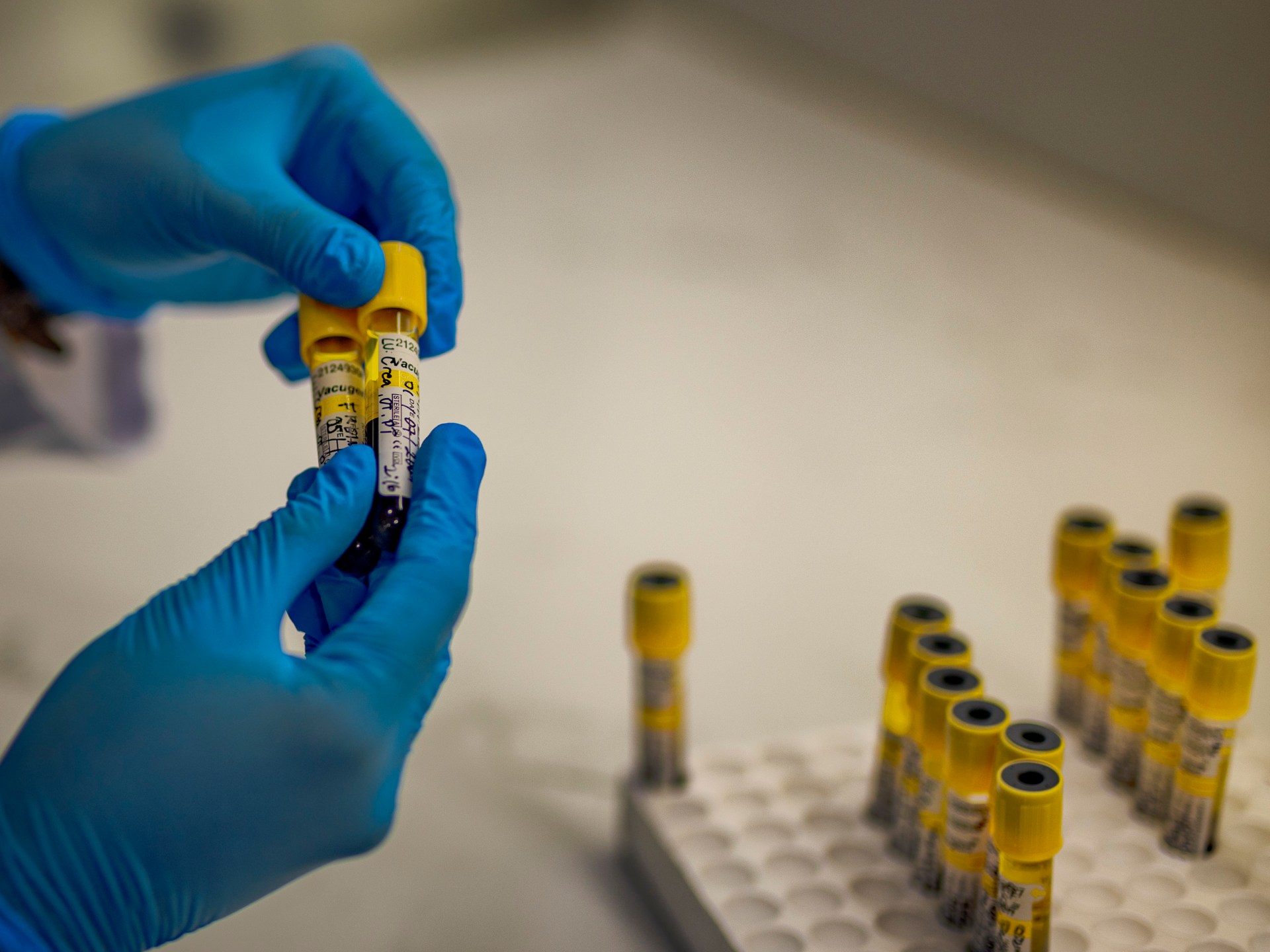
Recent cuts to HIV funding are putting years of progress against AIDS in children at risk, according to Anurita Bains, UNICEF’s associate director for HIV and health. Bains said disruptions that began in 2025 have weakened prevention, testing and treatment systems in countries that depend on steady support.
Writing for Al Jazeera, Bains said the global HIV response has produced major public health gains over more than four decades. Over the past 10 years, she said, AIDS-related deaths among children have fallen by almost 70 percent, while new HIV infections among adolescent girls have been cut by half.
Bains said 22 countries, including Brazil, the Bahamas, Cuba and Thailand, have either ended mother-to-child transmission of HIV or are moving toward that goal. She also cited the Maldives, which last year became the first country to eliminate HIV, syphilis and hepatitis B as public health threats.
Systems under strain
That progress is now at risk, Bains said, after abrupt funding reductions in 2025 affected HIV programmes in high-burden countries across Africa and parts of Asia, Latin America and Eastern Europe. She said prevention work slowed, clinics ran short of essential medicines and health workers lost jobs.
At the United Nations High-Level Meeting on HIV/AIDS, leaders warned that the global response had entered a “perilous moment,” according to Bains. She said the effects are uneven, with pregnant women in West and Central Africa still facing low treatment coverage and Eastern Europe and Central Asia seeing rising infections.
Bains said Latin America and the Caribbean continue to struggle with gaps in services for marginalised groups, including young people. Across regions, she said, children remain at risk of being missed by health systems.
More than 2.4 million children and adolescents are living with HIV, according to figures cited by Bains. She said only about 55 percent receive treatment, a rate far below adults, and about 200 children die each day from AIDS-related causes.
UNICEF and UNAIDS warn of higher toll
A UNICEF and UNAIDS “Cost of Inaction” analysis cited by Bains estimates that, if HIV prevention and treatment coverage is cut in half, up to three million children could acquire HIV by 2040. The same analysis projects 1.8 million AIDS-related deaths among children under that scenario.
Bains said existing tools could prevent more than half a million deaths if proven interventions were expanded. She pointed to lenacapavir, a long-acting prevention medicine given twice a year, as an option for adolescent girls and young women, and said it can be used by pregnant and breastfeeding women.
Community health programmes remain a central part of the response, Bains said. She cited mentor mother programmes in South Africa and Zimbabwe that support women on treatment and help ensure children are tested, as well as efforts in Tanzania where treatment advocates and community health workers have gone door to door to find children living with HIV.
Bains also pointed to government-led efforts. She said Oman became the first Middle Eastern country to eliminate mother-to-child transmission of HIV through routine testing for pregnant women, treatment and support, while Kazakhstan is working on HIV standards and an action plan, and Ecuador is adding HIV services to routine care for pregnant women.
Bains said the next phase of the HIV response depends on political will, sustained funding and international cooperation. Without renewed support, she warned, weakened health systems could reverse gains that brought the world closer to ending AIDS among children.
This story draws on original reporting from Al Jazeera.