
Volunteer ambulance crews fill Bangkok emergency care gap
Al Jazeera’s 101 East reports that informal ambulance volunteers are responding to crashes amid a shortage of official emergency vehicles in Bangkok.
By James Whitfield · Staff Writer
2 min read
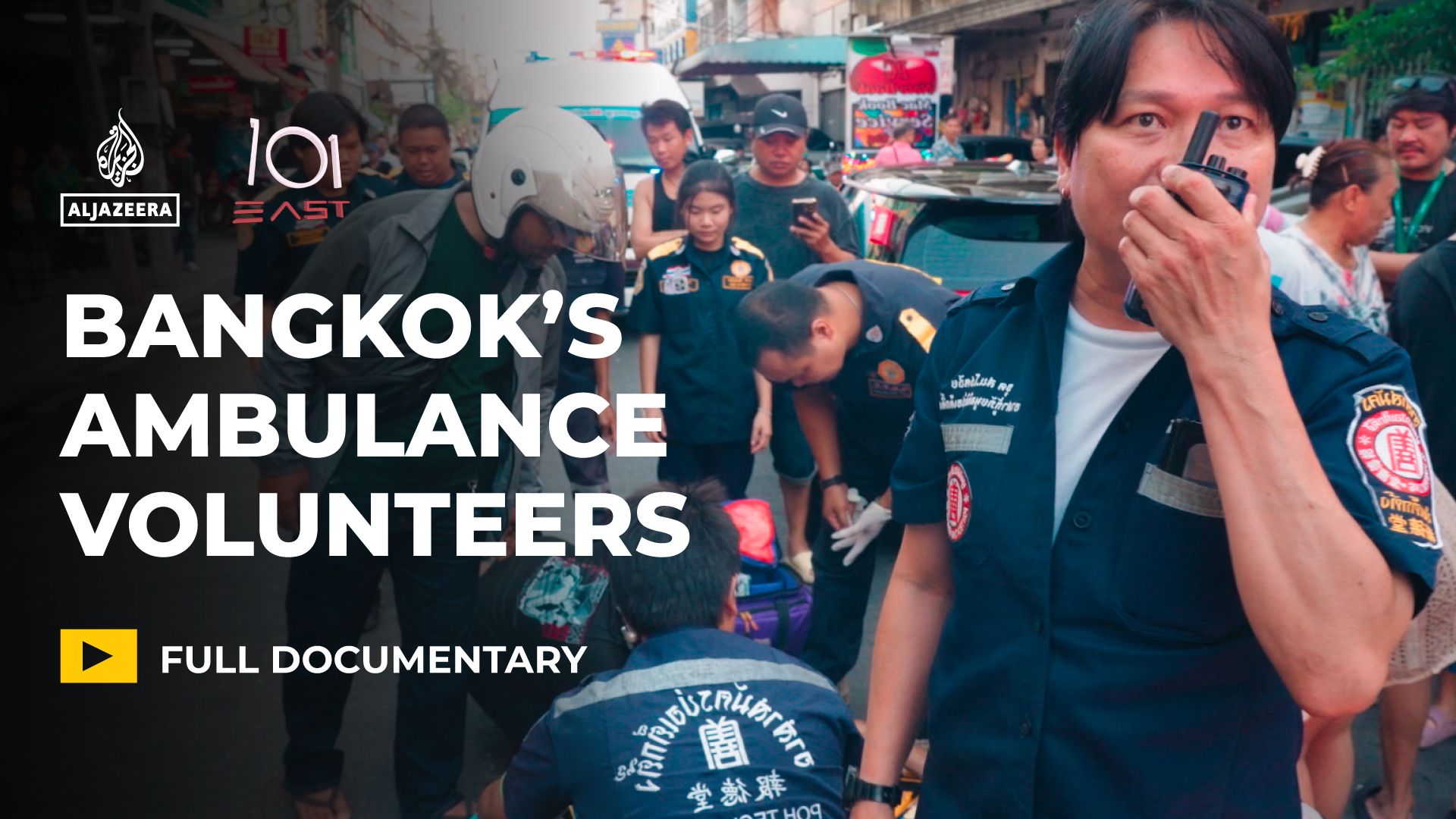
Volunteer ambulance teams have become a key part of emergency response in Bangkok, where Al Jazeera’s 101 East reports that a shortage of ambulances leaves accident victims relying on informal crews. The programme says the system has saved strangers in urgent moments while also creating risks as rival responders compete to arrive first.
Thailand has one of the world’s highest rates of road traffic deaths, according to 101 East. In the capital, the broadcaster reports, thousands of volunteers help cover the gap by operating unofficial ambulances.
The crews use modified vans and pick-up trucks fitted with stretchers, 101 East reports. They race through the city to crash sites, trying to reach injured people before other teams do.
That race for speed can turn dangerous. 101 East says rival volunteer groups compete over access to victims and territory, and that disputes between crews can sometimes become deadly.
A strained emergency system
The 25-minute 101 East report, published on July 3, 2026, follows Thai front-line workers who respond to road accidents in Bangkok. Al Jazeera describes the volunteers as people who risk their own safety while trying to help strangers after crashes.
The programme frames the volunteers as a response to a public-service gap. With too few ambulances available in Bangkok, according to 101 East, informal responders have taken on work that would otherwise fall to formal emergency services.
The arrangement places unregulated or semi-formal crews at the center of urgent medical response, based on Al Jazeera’s account. Their vehicles may be equipped for transport, but the competition between groups raises questions about safety at crash scenes.
Help amid danger
101 East’s report focuses on the tension between the volunteers’ lifesaving role and the hazards created by the way the system operates. The crews are presented as both essential responders and participants in a high-pressure contest to control accident scenes.
Al Jazeera says the volunteers work in a dangerous environment shaped by heavy road trauma, limited ambulance availability and rivalry among teams. The report does not present the volunteers as a single organization, but as thousands of responders operating through informal ambulance crews across the city.
The result, according to 101 East, is an emergency response network that can get help to victims quickly while also exposing patients, volunteers and rival crews to added danger. The programme asks whether Bangkok’s volunteer ambulance system is reducing harm or introducing new risks at the moment people most need care.
This story draws on original reporting from Al Jazeera.