
Merz says Germany will meet NATO defence target early after Trump criticism
The German chancellor said Berlin will double defence spending and hit NATO’s 3.5 percent benchmark by 2029 after Donald Trump renewed attacks on allies.
By Sofia Marchetti · World Affairs Correspondent
3 min read
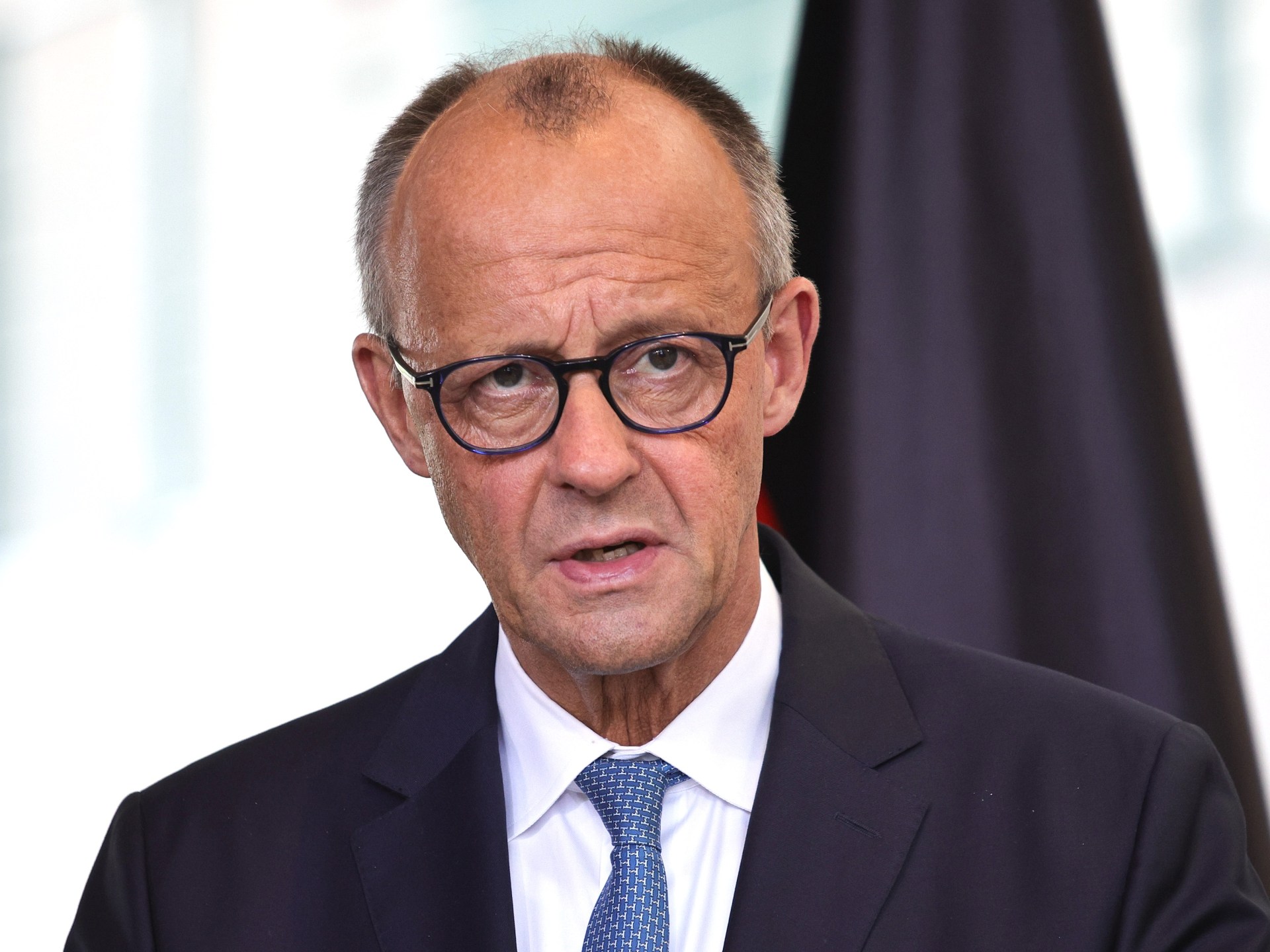
German Chancellor Friedrich Merz defended Berlin’s defence spending on Friday after US President Donald Trump again accused NATO allies of carrying too little of the alliance’s burden, Al Jazeera and Reuters reported. The exchange comes days before NATO leaders are due to meet in Ankara, with security spending and strains over US-Europe ties high on the agenda.
Trump wrote on Truth Social earlier this week that the alliance’s spending balance was “ridiculous” and “one-sided,” according to Al Jazeera and Reuters. In one post, he said Germany had spent “MUCH LOWER” than the United States and other NATO members from 2014 to 2025, calling the situation “Ridiculous!”
Asked about Trump’s criticism, Merz said Germany planned to double its defence budget within four years. “This is the greatest effort we have ever made to strengthen our defence capabilities. In this respect, we have no reason to shy away from anyone,” Merz told reporters.
Merz also pointed to Germany’s role inside Europe, saying Berlin would make its case “with all due modesty” as the European Union’s largest member state and one with responsibilities in Europe. He said Germany was ahead of the timetable for meeting NATO’s newer spending goal.
“We will reach the 3.5 percent benchmark set in The Hague as early as 2029,” Merz said, according to Al Jazeera and Reuters, adding that this would be well before the agreed deadline.
NATO spending pressure
Al Jazeera and Reuters reported that NATO members, under US pressure, agreed to spend 3.5 percent of gross domestic product on core defence needs such as troops and weapons by 2035. That target raises the alliance’s earlier benchmark of 2 percent of GDP.
Trump has pressed NATO allies on military spending throughout his political career, according to Al Jazeera and Reuters. Ties between Washington and European capitals were strained during Trump’s first term from 2017 to 2021 and have faced new pressure since he returned to office in January 2025.
Several European leaders who were more dismissive of Trump during his first term have taken a more accommodating approach during his current presidency, Al Jazeera and Reuters reported. Even so, the relationship has been tested by disputes beyond defence budgets.
Those tensions include Trump’s pledges to take control of Greenland, the autonomous Danish territory, according to Al Jazeera and Reuters. Denmark is a NATO member.
Al Jazeera and Reuters also reported that the US-Israeli war in Iran has widened the divide. Trump launched the conflict without consulting European allies, who then had to address the effects of the Strait of Hormuz closure, and he has repeatedly criticised European governments for not joining the war effort.
Merz angered Trump in April by saying the United States had been “humiliated” by Iran, according to Al Jazeera and Reuters. Trump responded by saying the US would withdraw 5,000 troops stationed in Germany.
This story draws on original reporting from Al Jazeera.