
FDA advisers to review peptide compounds promoted by Kennedy
A federal panel will consider whether seven peptide compounds can be prepared by compounding pharmacies despite FDA safety concerns.
By Lucas Ferreira · Science & Environment Writer
3 min read
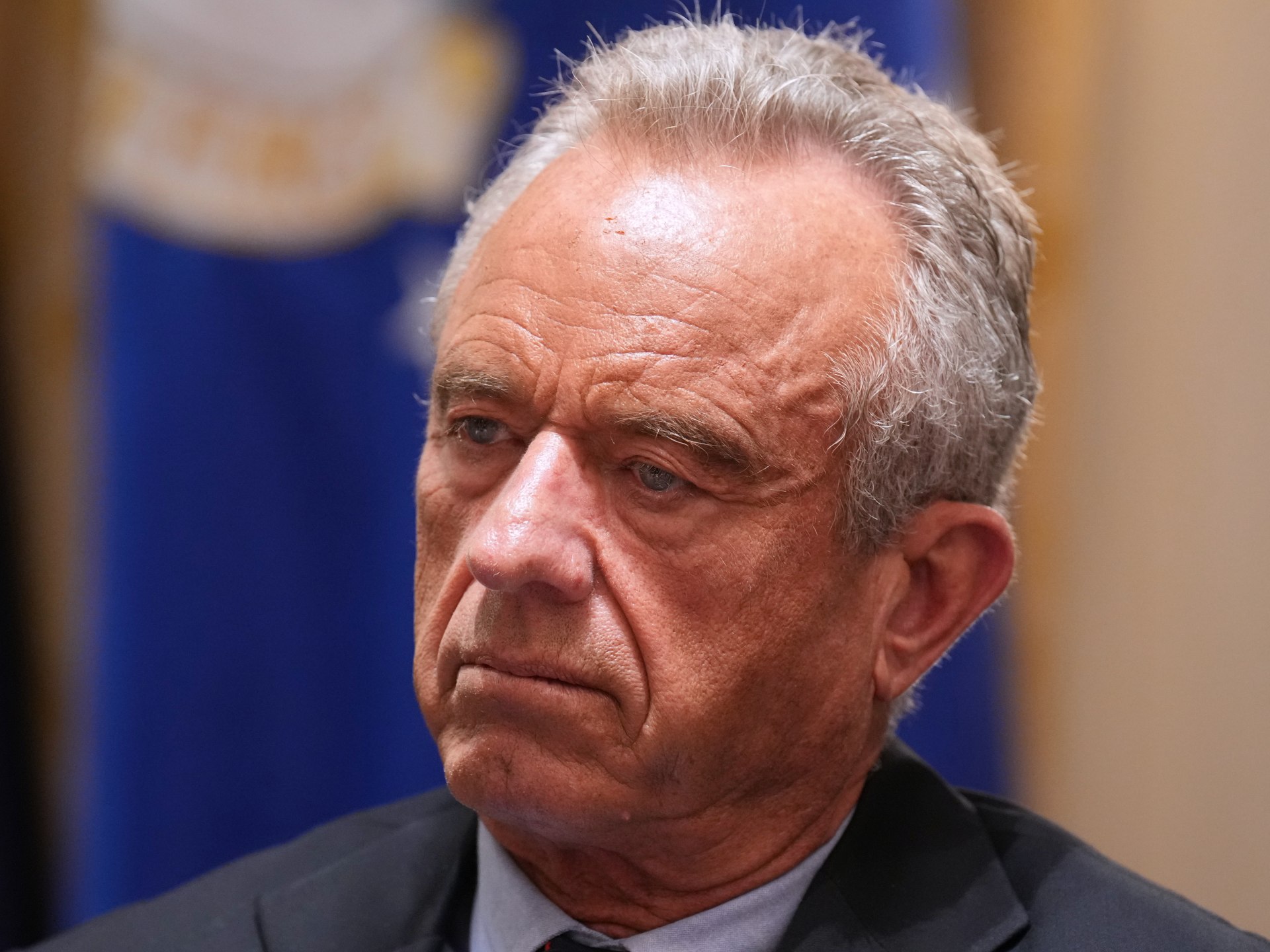
US drug advisers are preparing to consider whether seven peptide compounds promoted in wellness and anti-ageing circles should be available through licensed compounding pharmacies. The decision could affect a fast-growing market that Health Secretary Robert F Kennedy Jr has publicly supported while FDA scientists question the evidence behind the products.
The Food and Drug Administration’s Pharmacy Compounding Advisory Committee is scheduled to meet Thursday and Friday to assess whether the compounds may be made by licensed compounding pharmacies for patients who have prescriptions, according to Al Jazeera, Reuters and The Associated Press. The panel’s advice is not binding, but it is expected to influence the FDA’s final call.
Peptides are short chains of amino acids that occur in the body and help control many biological functions. Some approved peptide-based drugs are well known, including GLP-1 medicines such as Ozempic and Wegovy, but the compounds before the committee are a separate set marketed for a wide range of uses.
The seven under review include BPC-157, TB-500 and KPV, according to Al Jazeera, Reuters and AP. They are promoted for conditions or goals including ulcerative colitis, wound healing, inflammation, obesity, migraines, chronic pain, insomnia and opioid withdrawal.
The FDA said in materials prepared for the meeting that there is limited evidence that the seven compounds are safe or effective. The agency cited gaps in human clinical trials and raised concerns about quality, stability and consistency.
Demand has grown as peptides have moved beyond bodybuilding and biohacking communities into broader wellness marketing. Al Jazeera, Reuters and AP reported that influencers, wellness clinics, online forums and the beauty trend known as “looksmaxxing” have helped bring the products to wider attention.
Kennedy has also praised peptides. He has said he used them with “really good effect” and argued that restrictions have pushed people toward an unregulated grey market, according to Al Jazeera, Reuters and AP.
Industry groups say the FDA should allow more compounding of peptides by licensed pharmacies because consumer demand already exists. Their argument, as reported by Al Jazeera, Reuters and AP, is that pharmacy preparation would bring more oversight to prescriptions and product standards.
The advisory panel itself has drawn scrutiny. AP reported that seven of its 14 members have connections to companies or clinics involved with peptide therapies, including doctors who operate clinics selling peptide injections and promote them online.
AP also reported that pharmacist and Tennessee State Senator Bobby Harshbarger sits on the panel, and that his family owns a pharmacy that sells compounded medications. His mother, Republican US Representative Diana Harshbarger, urged Kennedy last year to ease FDA limits on peptides, according to AP.
The Department of Health and Human Services defended the committee’s makeup. The department said each member completed the ethics review required for FDA advisory committees and that anyone who did not meet federal ethics standards was removed from consideration, according to Al Jazeera, Reuters and AP.
The committee’s recommendation will come as regulators weigh two competing claims: FDA scientists say the evidence for the seven compounds is weak, while supporters say supervised access through licensed pharmacies would be safer than leaving consumers to less regulated sellers.
This story draws on original reporting from Al Jazeera.