
EU urges pause on methane fines after energy supply warnings
The European Commission advised member states not to penalize oil and gas methane breaches from 2027 to 2030, citing supply risks and global market strain.
By James Whitfield · Staff Writer
2 min read
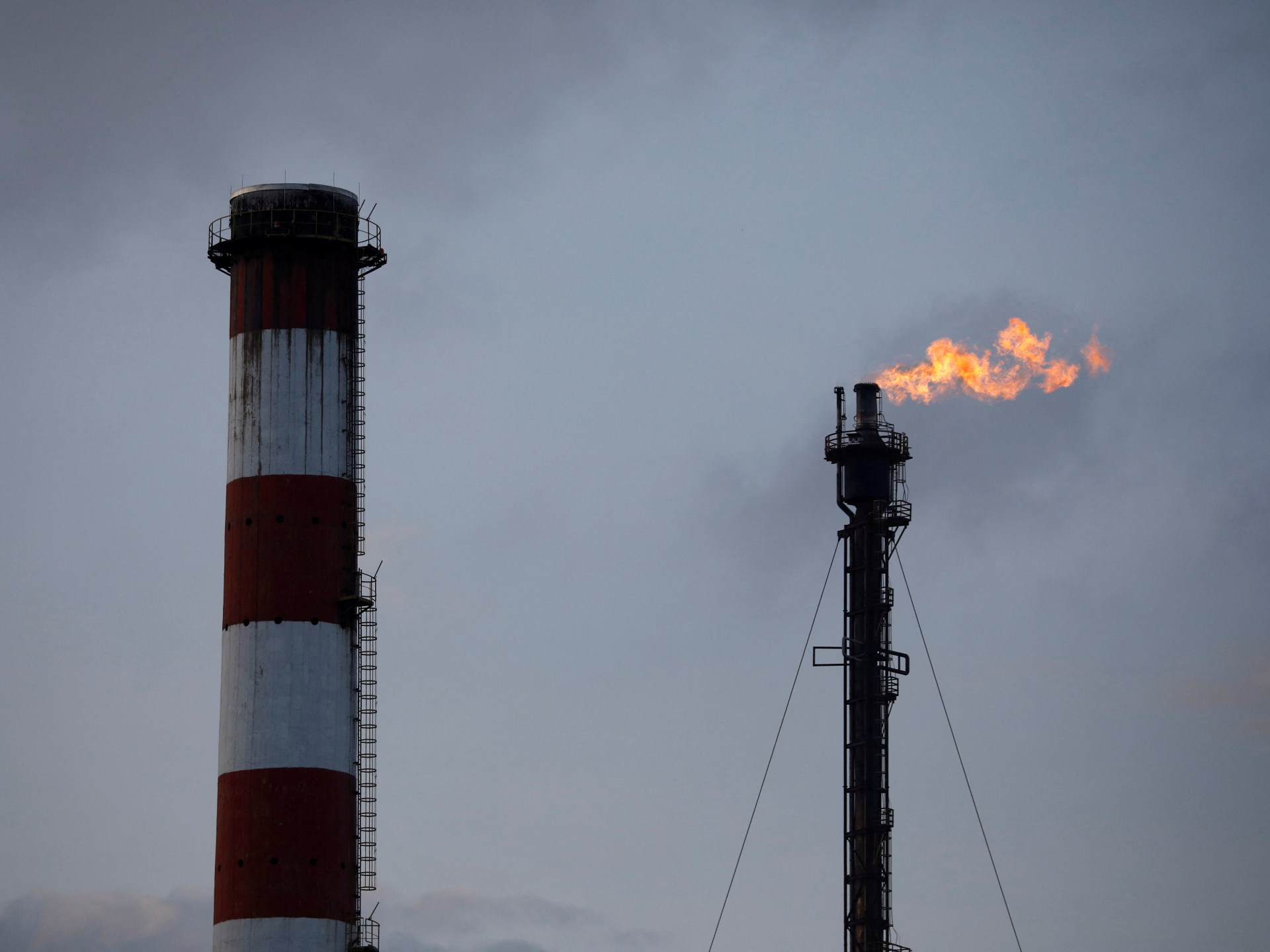
The European Commission recommended Monday that EU countries suspend penalties for oil and gas companies that breach the bloc’s methane emissions standards from 2027 through 2030. The move would ease enforcement of a climate measure as Europe faces energy security concerns tied to the US-Iran war and restricted shipping through the Strait of Hormuz, Reuters reported.
The Commission said member states should avoid applying penalties during that period to reduce the risk of disruption to energy supplies. The methane regime had been due to take effect at the start of next year, according to Reuters.
Under the EU Methane Regulation, companies could have faced fines of as much as 20 percent of annual turnover if they failed to meet emissions monitoring requirements equivalent to European rules, Reuters reported. The regulation targets methane, which the Commission described as the second-largest contributor to climate change.
The Commission said the pause would give importers more time to meet the standards while protecting supply in tight global energy markets. It cited the continuing blockade of the Strait of Hormuz and conflict in the Middle East as factors straining the market.
The recommendation follows pressure from the United States, other oil- and gas-producing countries, industry groups and some EU governments, according to Reuters. US Energy Secretary Chris Wright, joined by Algeria, Nigeria and Qatar, wrote to the EU in June warning that the planned methane rules could interfere with Europe’s oil and gas supplies.
Reuters reported that 17 EU member states also asked for the law to be delayed. Environmental groups urged Brussels to keep the penalties in place.
The Commission’s recommendation does not repeal the regulation. The Commission said “all obligations stemming from the Regulation will continue to apply,” meaning companies would still be expected to work toward compliance even if penalties are not imposed during the recommended period.
The recommendation is not legally binding, Reuters reported. Courts, however, are required to take it into account.
The Commission said geopolitical developments in the Middle East are reshaping global energy markets. Reuters reported that restricted traffic through the Strait of Hormuz has disrupted oil and gas flows for months, while renewed tensions between Washington and Tehran have kept concerns about shortages elevated.
The proposed enforcement pause is unlikely to satisfy critics of the regulation, according to Reuters, because the underlying obligations remain in force. It also leaves national authorities with a recommendation rather than a binding order as they decide how to apply the methane rules.
This story draws on original reporting from Al Jazeera.