
Egypt-Argentina World Cup row pulls Palestine into focus
A disputed World Cup knockout match in Atlanta has fed wider debate over Palestine, FIFA and political influence in football.
By Sofia Marchetti · World Affairs Correspondent
3 min read
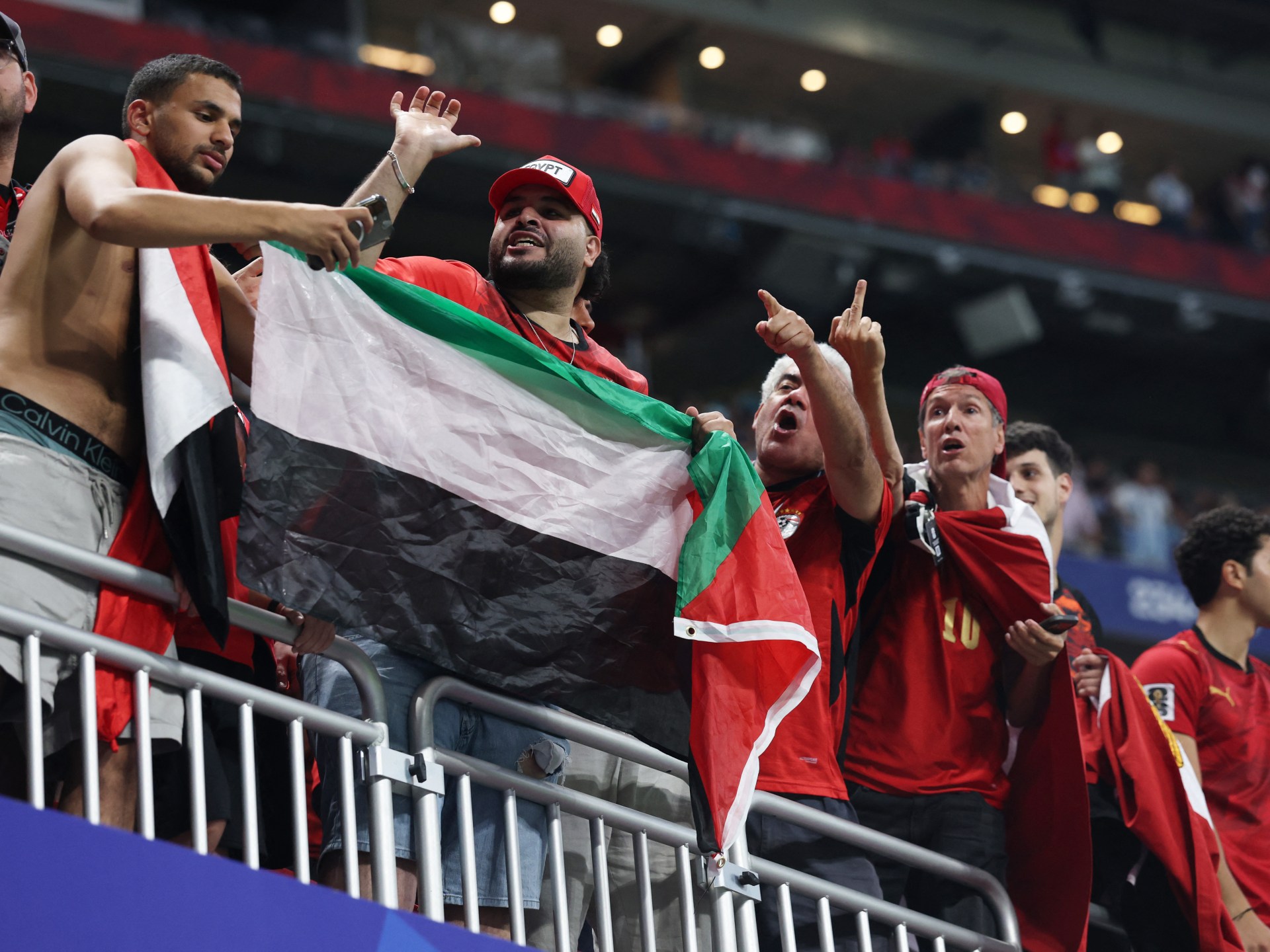
Egypt’s disputed 3-2 loss to Argentina in the World Cup round of 16 has become part of a broader argument over Palestine and power in sport. Mohamad Elmasry, a media studies professor at the Doha Institute for Graduate Studies, wrote for Al Jazeera that the Atlanta match drew attention beyond football because of its refereeing disputes and visible pro-Palestinian displays.
According to Elmasry, Egypt led the defending champions 1-0 before a second Egyptian goal was ruled out. He wrote that Egypt also sought a video review of an Argentina goal, but the request was denied.
Fans and analysts criticized the use of VAR during the match, Elmasry reported, saying many viewed the decisions as uneven. Egypt coach Hossam Hassan called the game “not fair” and suggested FIFA wanted Argentina, led by Lionel Messi, to remain in the tournament, according to Al Jazeera.
The Egyptian Football Association filed a formal complaint on Wednesday, Elmasry wrote. The defeat ended Egypt’s run after what he described as the country’s first World Cup knockout-stage win on July 3.
Hassan put Palestine at the center
Elmasry wrote that Hassan had used Egypt’s World Cup platform to speak about Palestinian suffering before the Argentina match. After Egypt’s July 3 win, Hassan waved a Palestinian flag on the field and dedicated the victory to Palestine at his news conference, according to Al Jazeera.
At a pre-match news conference on Monday, Hassan again addressed the issue, Elmasry reported. Hassan said anyone lacking compassion for Palestinians “is not a human being,” according to the column.
The political symbolism also appeared in the stands. Elmasry wrote that Palestinians in Gaza waved Egyptian flags during the game, while supporters inside Atlanta Stadium displayed competing symbols, with some Argentina fans raising an Israeli flag and Egypt fans holding up a Palestinian flag.
Argentina’s politics added another layer
Elmasry argued that the Israeli flag among Argentina supporters carried added meaning because of Argentina’s domestic politics. He cited polling showing that many Argentinians have grown critical of Israel, while President Javier Milei’s government remains strongly pro-Israel.
Milei has described himself as “proud to be the most Zionist president in the world,” Elmasry wrote, while US President Donald Trump has often called himself Israel’s “best friend.” Elmasry also noted Trump’s close relationship with Milei and FIFA president Gianni Infantino.
According to Elmasry, Infantino lobbied in 2025 for Trump to receive the Nobel Peace Prize and later created the FIFA Peace Prize, which was awarded to Trump. Elmasry also wrote that Trump said he called Infantino to reverse a red card suspension for US striker Folarin Balogun before the United States played Belgium.
Elmasry wrote that the Balogun episode did not prove interference in Egypt’s match against Argentina. He argued, however, that it strengthened the perception among critics that political access can affect FIFA decisions.
A football dispute read through Gaza
Elmasry placed the reaction to the match alongside wider anger over Israel’s war in Gaza, the genocide case against Israel at the International Court of Justice and criticism of FIFA over its treatment of Israel compared with Russia. He wrote that FIFA has faced accusations of moving quickly against Russia after the invasion of Ukraine while declining to sanction Israel.
For many supporters of Palestine, Elmasry wrote, the disallowed Egypt goal, disputed fouls and refusal to review an incident involving Mohamed Salah appeared to echo a wider pattern in which powerful actors receive favorable treatment. He said that does not require proof of a secret FIFA plan to secure an Argentina win.
The match’s legacy, Elmasry argued, may rest as much on Hassan’s Palestinian flag and public comments as on the final score. In his view, the game became a symbol of distrust in institutions that present themselves as neutral while operating amid unequal political power.
This story draws on original reporting from Al Jazeera.