
US-Iran clashes pause as Israel widens military control in Gaza
NPR reported a halt after two days of U.S.-Iran strikes, while Israel’s military hold in Gaza has expanded despite a stalled ceasefire.
By James Whitfield · Staff Writer
3 min read
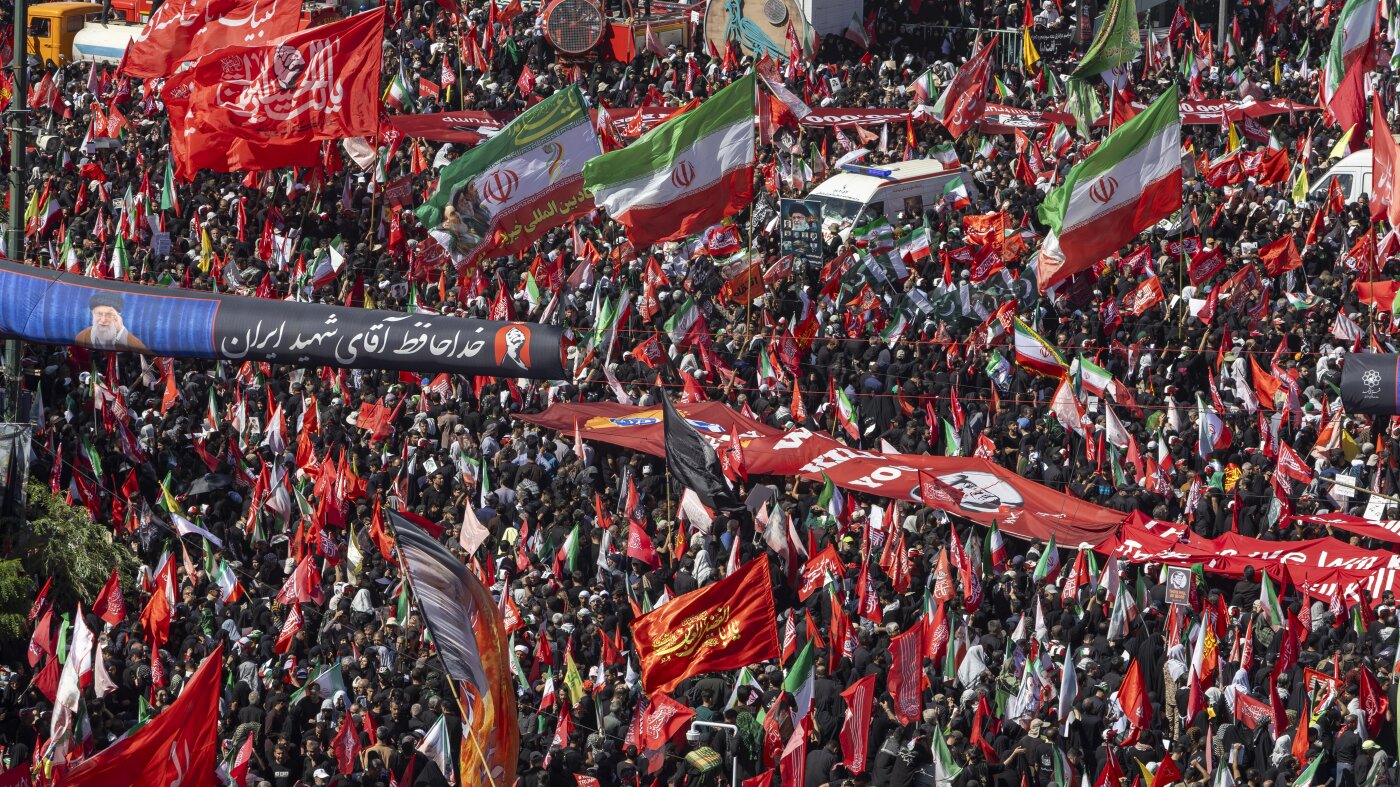
Fighting between the United States and Iran appeared to pause after two days of strikes, NPR reported, easing the immediate clash while leaving the region on alert. At the same time, NPR reported that Israel has expanded its military control in Gaza despite a U.S.-brokered ceasefire that has stalled nine months after it began.
The United States said it struck 170 targets in Iran, according to NPR. Iran said it attacked U.S. military bases in the Gulf, NPR reported.
NPR said the fighting overlapped with a weeklong funeral for former Iranian Supreme Leader Ayatollah Ali Khamenei and four family members killed on the first day of the conflict. A Getty Images photo published by NPR showed large crowds in Mashhad for Khamenei’s burial on July 9.
Regional governments remain on alert
NPR correspondent Carrie Kahn, reporting from Tel Aviv, said the region remained tense after the latest exchange. NPR reported that Jordan intercepted incoming fire from Iran during the recent attacks.
Iran threatened the United Arab Emirates on Wednesday, according to NPR. Eyal Zamir, chief of staff of the Israeli armed forces, said Israel was ready if fighting starts again, NPR reported.
The pause follows a rapid escalation between Washington and Tehran, but NPR did not report a final settlement or a durable agreement. The current situation was described as a halt in fighting after two days of clashes.
Gaza ceasefire goals remain unmet
NPR reported that a ceasefire brokered by the United States between Israel and Hamas last year has lost momentum. The agreement called for Israel to pull back from Gaza, for new governance arrangements in the territory and for Hamas to disarm, according to NPR.
Those terms have not been carried out as planned, NPR reported. Instead, Israeli forces have increased their control from about half of Gaza at the start of the ceasefire to nearly 70%, according to Israeli officials and NPR’s analysis.
Israeli Prime Minister Benjamin Netanyahu has said the military is tightening control to encircle Hamas, according to NPR. For Palestinians, NPR reported, that expansion has meant repeated displacement, less access to aid and continued loss.
More than 1,000 Palestinians have been killed since the ceasefire took effect, according to Gaza’s Health Ministry, as cited by NPR. NPR reporters Anas Baba and Aya Batrawy described daily conditions for families caught between growing military zones, with shelling at night and gunfire during the day.
NPR reported that those families have little safe space left as Israel’s zone of control expands. The report underscored how the ceasefire’s original goals have been overtaken by military realities on the ground.
This story draws on original reporting from NPR.