
Renewed US-Iran fighting puts oil market recovery at risk
The IEA said renewed hostilities threaten a fragile rebound in energy supplies after the Strait of Hormuz disruption cut oil flows sharply.
By Sofia Marchetti · World Affairs Correspondent
3 min read
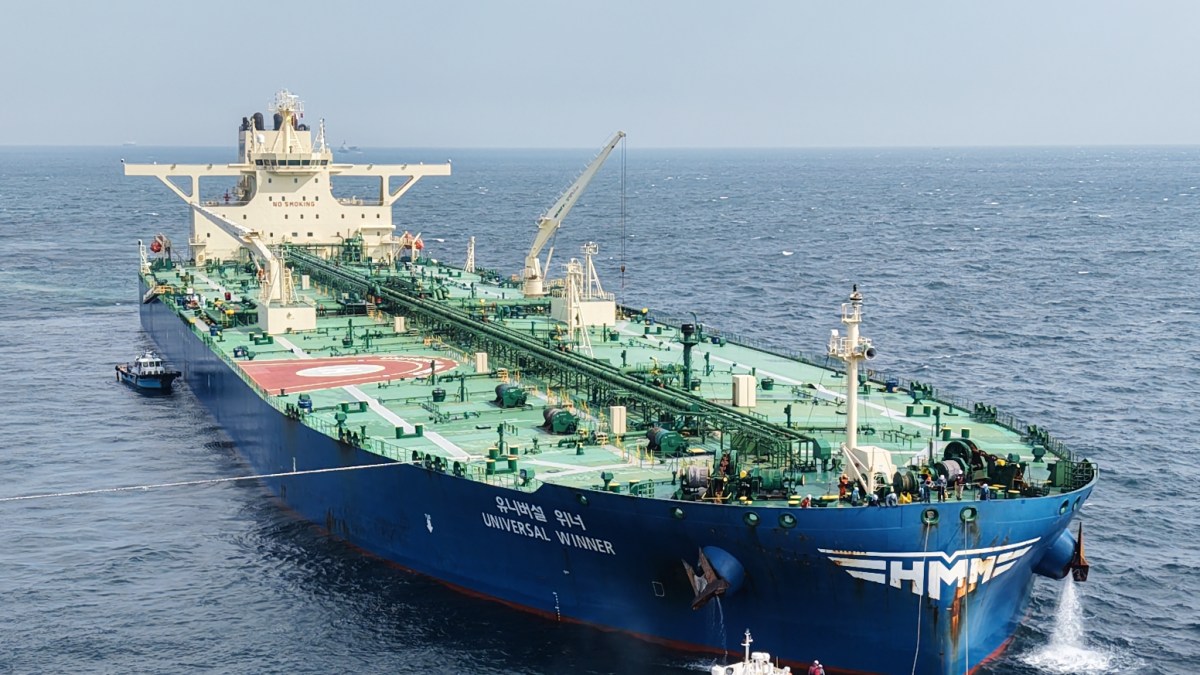
Renewed fighting between the United States and Iran is threatening a fragile recovery in global oil supplies, the International Energy Agency warned Friday. The risk centers on the Strait of Hormuz, a critical energy route where traffic has stopped again after a brief reopening.
The IEA said in its latest monthly oil market report that world oil demand is on course to decline this year for the first time since 2020, as conflict continues to disrupt production and exports across the Middle East. The agency said last month’s US-Iran memorandum of understanding had helped start a recovery, but the latest escalation has put that outlook under pressure.
Al Jazeera, citing AP and Reuters, reported that this week’s fighting followed competing interpretations of provisions in the memorandum governing the Strait of Hormuz. Before the conflict began in April with US and Israeli strikes on Iran, the waterway carried about one-fifth of global oil and liquefied natural gas exports.
The IEA said the effective closure of Hormuz had reduced crude oil flows by as much as 14 million barrels per day. After the memorandum and the reopening of the strait, global oil supply increased by 4.1 million barrels per day in June, though output remained 9.4 million barrels per day below pre-war levels, according to the agency.
The IEA had based its outlook on the assumption that the strait would return to full operation. On that basis, it forecast a global supply surplus of 4.62 million barrels per day in 2027, after a deficit of 860,000 barrels per day in 2026.
Prices steady despite renewed disruption
Oil prices did not move sharply in early Friday trading despite the renewed stoppage in shipping. Brent crude was at $76.37 a barrel, little changed from Thursday’s close but more than $4 higher than a week earlier, according to Al Jazeera.
Analysts cited by Al Jazeera said the limited price reaction reflected market expectations that the situation could stabilize. They also said tighter inventories may add upward pressure on prices in the coming weeks.
CNN, citing unnamed US sources, reported that a lull in attacks on Thursday and Friday reflected efforts to restore diplomacy and revive the ceasefire. One unnamed US source told CNN that Washington had been carrying out strikes and then pausing to avoid further escalation and give diplomacy room to proceed.
The same source said the US military remained prepared to launch new attacks if needed, according to CNN.
Regional states urge restraint
CNN reported, citing sources in the Middle East, that Pakistan and Qatar are working to bring Washington and Tehran back to negotiations. Oil-producing states in the region have also called for restraint after Iranian attacks this week on Bahrain, Kuwait and Jordan, according to Al Jazeera.
Egypt and Gulf states held phone calls Friday and said they were urging all parties to contain tensions and prevent a wider conflict. The Gulf Cooperation Council and its member states have pressed the US and Iran to preserve the diplomatic gains made under last month’s agreement even as fighting resumed.
The United Nations has warned that renewed clashes could undo diplomatic progress and carry severe consequences for the region and the global economy if they expand into full-scale war. The IEA said its forecast still assumes a ceasefire holds and Hormuz traffic gradually resumes; without that, its projection for a rebalancing of oil supply and demand next year would face new strain.
This story draws on original reporting from Al Jazeera.