
EEOC moves to end employer race and gender reporting rule
A divided commission vote advanced a proposal to scrap annual workforce demographic reports covering about 50 million US workers.
By James Whitfield · Staff Writer
4 min read
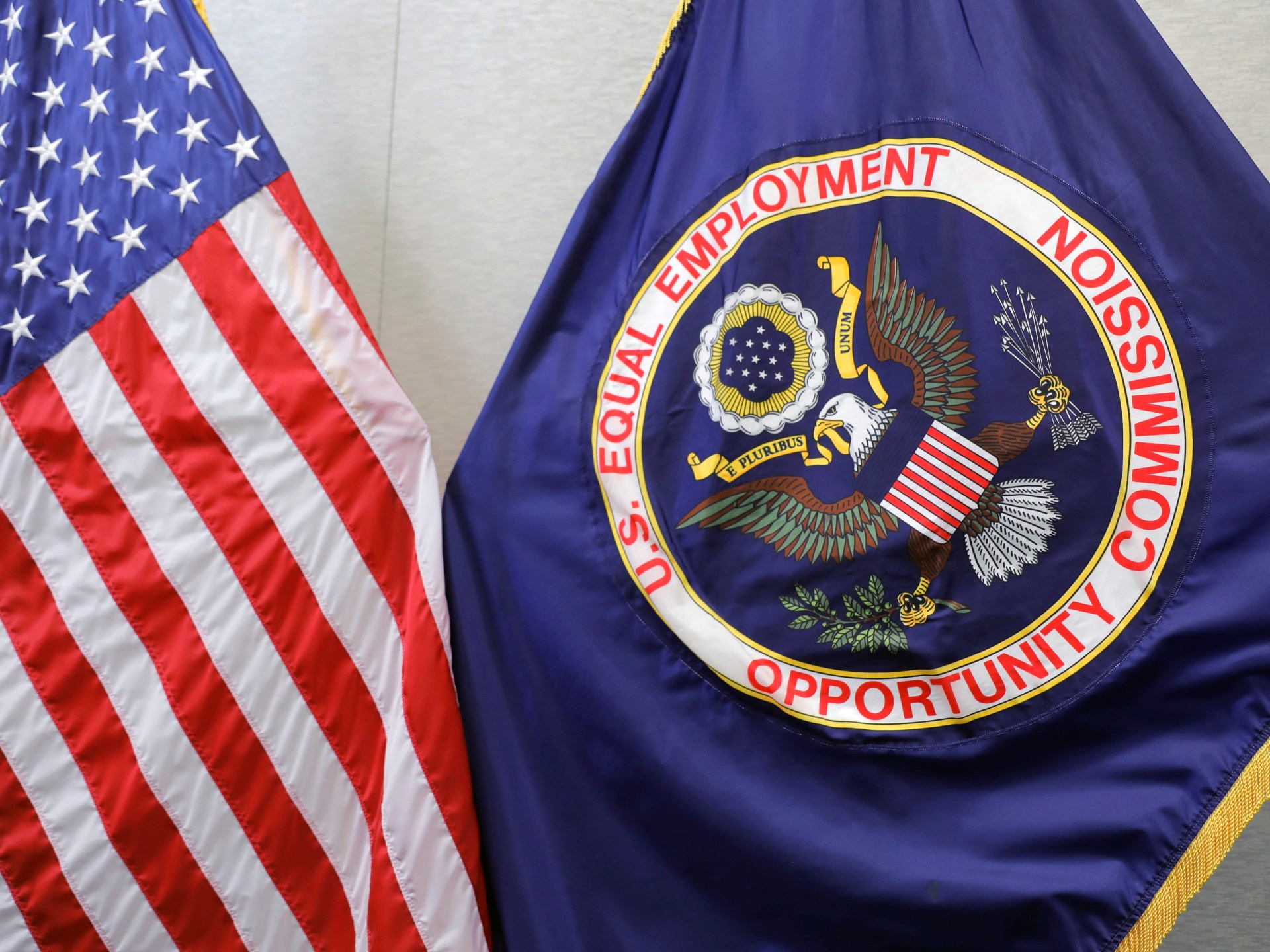
The Equal Employment Opportunity Commission has moved toward ending a decades-old rule that requires many US employers to report the race and gender makeup of their workforces. Al Jazeera reported that the proposal, approved 2-1 by the commission’s Republican majority, would remove a data collection system used to track employment disparities and help enforce anti-discrimination law.
The vote starts a 30-day public comment period before the proposal goes to a final approval process, with a hearing scheduled for August 11, according to Al Jazeera. The rule at issue is the EEO-1 report, a requirement in place for about six decades.
What the rule collects
The EEOC, created in 1965, enforces federal workplace discrimination laws, Al Jazeera reported. The agency investigates claims involving race, colour, religion, sex, national origin, age and disability, and handles roughly 88,000 complaints each year.
Beyond individual complaints, the agency collects aggregate workforce data from employers. Al Jazeera reported that the EEO-1 system covers employers representing about 50 million workers and does not identify employees by name.
Acting EEOC Chair Andrea Lucas, who became acting chair after President Donald Trump took office, said after the vote that the reporting requirement conflicts with Title VII’s demand for colourblind employment practices and raises enforcement and constitutional concerns, according to remarks she posted on LinkedIn cited by Al Jazeera. Lucas has also criticised diversity, equity and inclusion programmes, including in a 2023 Reuters essay after the Supreme Court limited the use of race in college admissions.
Lucas said the EEOC would still seek demographic information during investigations of employers accused of discrimination, Al Jazeera reported. She also said employers spend an estimated $275m a year preparing the reports, while the agency spends about $4m annually to run the programme.
Critics say the data helps enforcement
Sharon Block, executive director of the Center for Labor and a Just Economy at Harvard Law School, told Al Jazeera that EEO reports give the government a workforce snapshot and do not require employers to hire or reject anyone. Block, who previously served on the National Labor Relations Board under former President Barack Obama, said employers and the federal government should not fear sharing data.
EEO Leaders, a coalition of former EEOC officials, told Al Jazeera that ending the collections would weaken the agency’s ability to evaluate complaints, investigate charges and direct guidance toward industries or places where barriers may exist.
Al Jazeera reported that the data has shown changes in executive leadership over time. Women held 29.2 percent of executive-level jobs in 2013 and 34.5 percent in 2023, according to EEOC figures cited in the report.
The same data shows white men make up about one-third of the US workforce but hold 52.7 percent of executive-level positions, Al Jazeera reported. A 2022 report cited by Al Jazeera found women made up less than 23 percent of technology-sector workers from 2014 to 2022, while women represented 59.6 percent of finance and insurance workers but held 33.1 percent of executive roles in those industries.
Chai Feldblum, president of EEO Leaders and a former EEOC commissioner under Obama, told Al Jazeera that the agency can request demographic data in specific investigations, but employers may struggle to provide it if they have not kept it. Title VII still requires employers to maintain workforce records when discrimination investigations arise, according to Al Jazeera.
Part of a wider labour policy shift
Al Jazeera reported that the proposal follows other Trump administration moves affecting labour and civil rights rules. Trump rescinded a requirement that federal contractors comply with affirmative action mandates, while a January 2025 executive order kept civil rights obligations in place but removed requirements for diversity programmes or affirmative action plans.
The administration has also moved against federal DEI programmes and pressured private employers over policies it says may violate anti-discrimination laws, Al Jazeera reported. Lucas earlier encouraged white men to file workplace complaints alleging discrimination based on race and gender.
Trump has also reversed a Biden-era order requiring many federal contractors to pay a $17.75 minimum wage adjusted for inflation, according to Al Jazeera. The Department of Labor has sought to limit collective bargaining rights for federal employees, a move unions have challenged in court, and the NLRB lacks the quorum needed to issue decisions in cases and appeals.
This story draws on original reporting from Al Jazeera.