
Experts say Ebola risk at World Cup is low as US prepares
Health officials are watching a DRC outbreak, but experts say Ebola is unlikely to spread at World Cup events because it is not airborne.
By James Whitfield · Staff Writer
4 min read
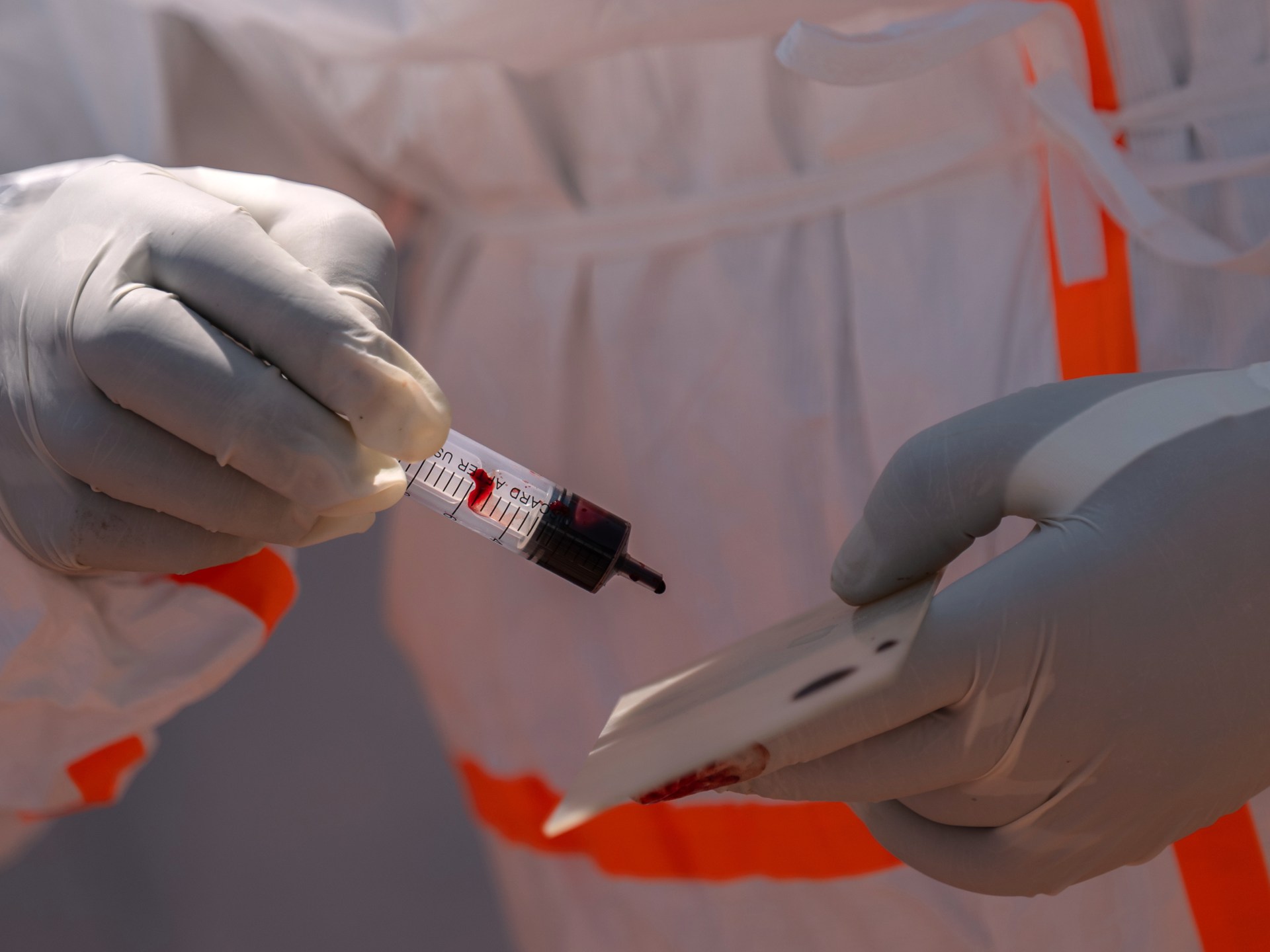
US infectious disease specialists say the chance that an Ebola-infected traveler will reach the 2026 World Cup is low, while hospitals in host cities have been preparing for that possibility. Reuters reported that officials see crowd-spread illnesses such as measles, COVID-19 and flu as the more likely health threats during the tournament.
The World Cup began last week and is expected to draw 6.5 million fans across North America over 39 days, with 104 matches in the United States, Mexico and Canada, according to Reuters. The United States has 11 host cities, including Atlanta, where Emory University is part of the country’s Ebola preparedness network.
The US Centers for Disease Control and Prevention, the Pan American Health Organization and the World Health Organization have all rated the Ebola risk to World Cup host countries as low, Reuters reported. Dr. Tom Frieden, the former CDC director and now chief executive of Resolve to Save Lives, told Reuters the risk to people at the tournament is “extremely low” because Ebola does not spread through the air or through casual contact.
Frieden said Ebola transmission requires direct contact with the bodily fluids of a sick person. He added that the risk will remain above zero until the outbreak in the Democratic Republic of the Congo is brought under control.
The DRC outbreak has infected more than 675 people and killed more than 135, according to Reuters. The outbreak has drawn extra attention because national teams, fans and officials are moving between countries during the tournament.
US preparedness for Ebola changed after the 2014 West African outbreak. Reuters reported that Thomas Eric Duncan, a Liberian man with Ebola symptoms, initially was sent away from a Dallas hospital before later being admitted; two nurses became infected and survived.
That episode led to $260 million in US funding for training and response capacity, Reuters reported. The effort helped create 13 specialized treatment centers designed to help hospitals identify, isolate and safely care for suspected Ebola patients.
Dr. Gavin Harris, an Emory University specialist in serious communicable diseases, told Reuters the country is better prepared than at any previous point, while acknowledging that no system can stop every infection. Harris said the preparedness work grew out of collaboration among Emory, the University of Nebraska Medical Center and NYC Health + Hospitals/Bellevue, all of which cared for Ebola patients during the West African outbreak.
Thousands of health workers have since been trained to handle Ebola and other high-risk pathogens, according to Reuters. For the World Cup, preparedness teams have run exercises built around a possible MERS outbreak and have issued guidance for doctors on illnesses that may be uncommon in their cities, including malaria, dengue and chikungunya.
The United States, Mexico and Canada have put in place airport screening and travel restrictions for non-citizens who recently visited countries affected by the outbreak, Reuters reported. Harris said those measures are likely to lower the chance that Ebola reaches World Cup venues. To meet US restrictions, the DRC national team left the country in May, trained in Belgium and then traveled to the United States, according to Reuters.
FIFA said medical risks are reviewed as part of tournament planning and handled with host cities, which provide medical leaders to coordinate services. FIFA also said it is monitoring the Ebola outbreak and remains in contact with sports and health authorities in the DRC and the three host nations.
Reuters reported that FIFA, local health officials and hospital systems have formed medical committees in host cities. Harris said those groups are assessing infectious disease risks based on which teams are playing locally, health conditions in their home countries, visa rules and stadium operations.
Some areas have discussed putting disease-specific treatments or protective equipment at venues, Reuters reported. Officials are also using surveillance tools such as wastewater monitoring, air-quality data and electronic medical records to look for unusual illness clusters.
Dr. Michael Osterholm, an infectious disease expert at the University of Minnesota, told Reuters that US planning for mass gatherings has a long history, with state and local health departments working with the CDC. Georgetown University has also created an independent Health Security Operations Center with more than 30 public and private partners; Reuters reported that more than 700 state and local health officials and about 60 federal partners, along with FIFA and the CDC, receive its daily reports.
Some experts remain concerned about public health capacity. Frieden and two other experts cited CDC staff cuts, the US departure from WHO and pressure on state and local health departments responding to the largest US measles outbreak in decades, Reuters reported. The US Department of Health and Human Services, which oversees the CDC, did not respond to Reuters’ request for comment.
This story draws on original reporting from Al Jazeera.