
DRC Ebola deaths reach 178 after record daily rise in cases
Health officials say confirmed Ebola cases in DR Congo have risen to 782 as conflict, weak tracing and patient escapes slow the response.
By James Whitfield · Staff Writer
2 min read
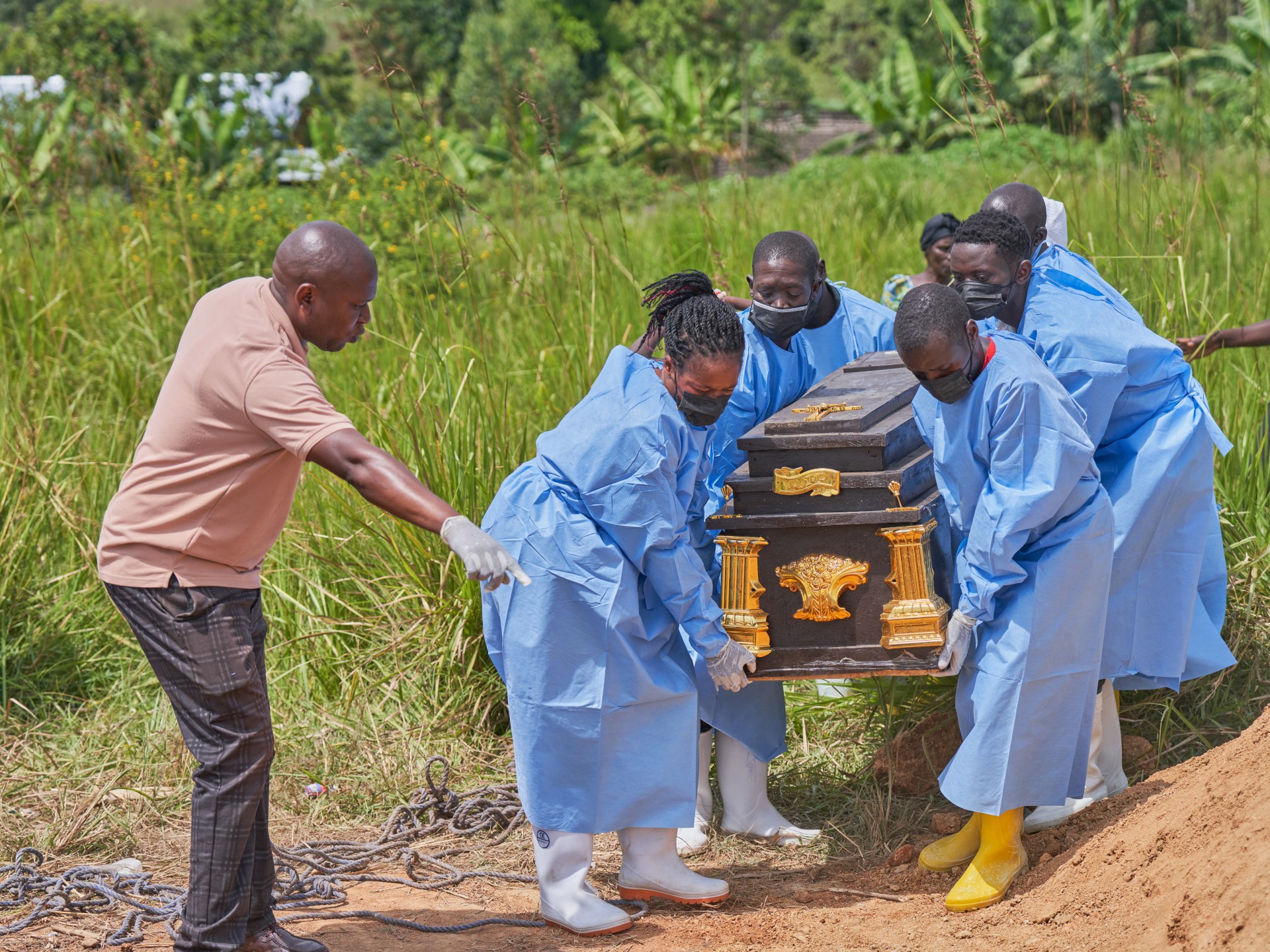
Confirmed Ebola cases in the Democratic Republic of the Congo have risen to 782, with 178 deaths, after the country reported its largest daily increase of the current outbreak. The surge is straining containment work in eastern DRC, where armed conflict, limited surveillance and patient escapes are hindering health teams, according to health officials.
The Ministry of Public Health said on Sunday that 72 new confirmed cases had been recorded in the previous 24 hours, along with 29 additional deaths. Officials said 40 patients have recovered, while the Bundibugyo strain involved in the outbreak has so far produced a death rate of 22.8 percent.
The outbreak is caused by the rare Bundibugyo Ebola virus strain, according to health authorities. Unlike the Zaire strain linked to the DRC’s previous 16 Ebola outbreaks, officials said there is no approved vaccine or treatment for Bundibugyo.
Tracing gaps widen
Contact tracing has fallen to 56.5 percent coverage, well below the 95 percent target, Health Ministry officials said. Doctors Without Borders, known by its French initials MSF, warned that “no one knows the true scale” of the outbreak because surveillance and testing remain too limited.
Jean Kaseya, director general of the Africa Centres for Disease Control and Prevention, said on Sunday that the agency would continue backing affected countries until transmission ends. He also urged partners and donors to provide resources for the response, according to Africa CDC.
The World Health Organization said it is increasing diagnostic testing and contact surveillance. MSF said, however, that a $21.5m funding shortfall is limiting response efforts.
Conflict complicates response
Ituri province in eastern DRC remains the centre of the outbreak, with nearly 95 percent of confirmed cases, according to health officials. The virus has also reached North Kivu and South Kivu provinces and has crossed into Uganda, officials said.
The outbreak is believed to have started in the Mongbwalu Health Zone in Ituri, an area tied to intensive mining activity, according to officials. Thousands of artisanal miners move regularly between informal mining sites across the mineral-rich region, creating transmission risks that are difficult for health teams to monitor, officials said.
Ituri is also facing a wider humanitarian crisis. Nearly one million residents have fled overlapping armed conflicts involving several groups, including the M23 rebel movement, which controls Goma, the capital of North Kivu province, according to reports cited by officials.
United Nations reports have documented massacres of more than 100 civilians in gold-rich Ituri villages as armed factions compete for control of mineral wealth. Health workers are trying to contain the outbreak in that setting, with insecurity limiting access to communities and weakening the basic tracking needed to stop transmission.
This story draws on original reporting from Al Jazeera.