
Pakistan says army chief helped clinch US-Iran war deal
Prime Minister Shehbaz Sharif said Pakistan’s military chief kept negotiations from collapsing before a tentative accord to end more than 100 days of war.
By Sofia Marchetti · World Affairs Correspondent
4 min read
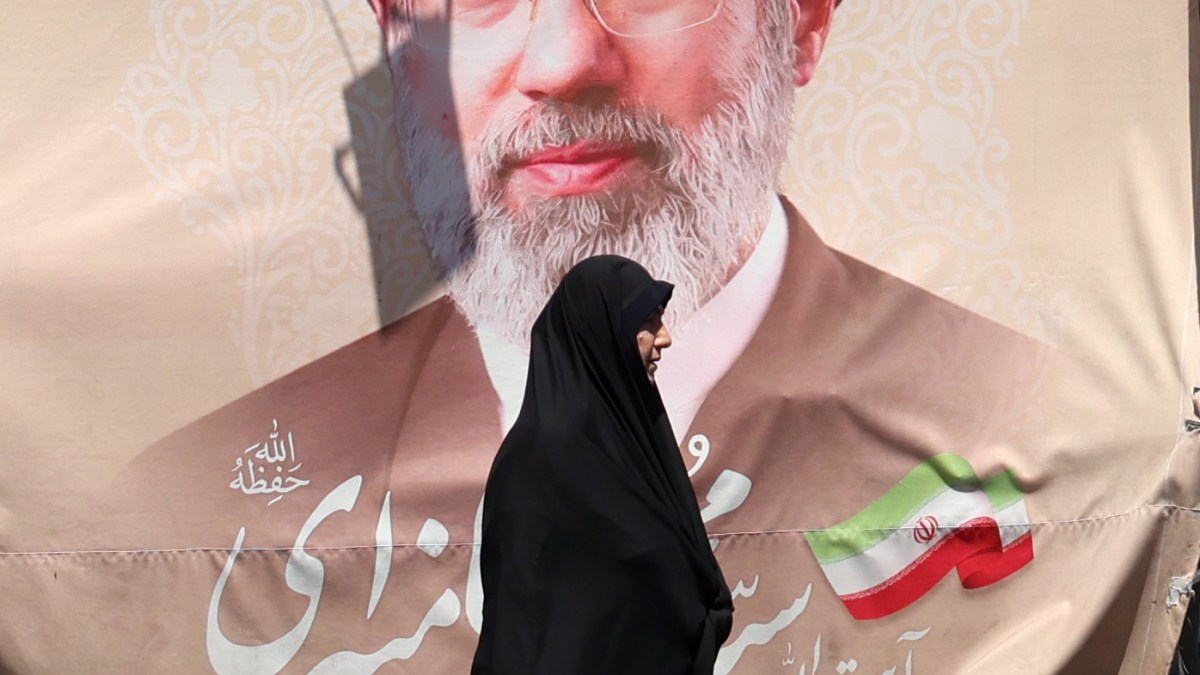
Pakistan says it helped broker a tentative agreement between the United States and Iran that could end more than three months of war and reopen a key route for global energy shipments. Prime Minister Shehbaz Sharif told Pakistan’s National Assembly on Monday that the final phase of talks nearly failed several times before the deal was announced.
Sharif credited Field Marshal Asim Munir, Pakistan’s army chief, with keeping the process alive during those moments. He also praised Deputy Prime Minister and Foreign Minister Ishaq Dar, Interior Minister Mohsin Naqvi, and the leaders of Qatar, Saudi Arabia, Turkiye and China for their roles in the mediation.
The agreement was announced early Monday by Sharif on X. US President Donald Trump confirmed it soon afterward on Truth Social, writing that the deal with Iran was complete. A signing ceremony hosted by Pakistan is scheduled for Friday in Geneva, according to Al Jazeera.
Terms reported so far
The agreement calls for an immediate and permanent end to military operations on all fronts, including in Lebanon, according to Al Jazeera. Pakistan’s military and its foreign affairs and information ministries did not provide Al Jazeera with details of the accord.
Iran’s Mehr News Agency reported that the 14-point memorandum includes a US commitment to lift its naval blockade of Iran within 30 days and pull back forces deployed near Iran. Mehr also reported that the Strait of Hormuz, effectively shut by Iran since the war began on February 28, would reopen to normal transit.
Iranian assets estimated at $24bn are likely to be released in phases during a further 60 days of talks, Mehr reported. Those negotiations are expected to address Iran’s nuclear programme, while Iran’s missile programme and its support for armed groups have been taken off the immediate agenda, according to the Iranian agency.
Pakistan’s role in the talks
The negotiations took place under Iran’s new supreme leader, Mojtaba Khamenei, who succeeded Ayatollah Ali Khamenei after the elder Khamenei was killed on the first day of the US-Israel war on Iran, according to Al Jazeera. Sharif said Monday that Mojtaba Khamenei showed wisdom and restraint during difficult talks.
Pakistan had earlier helped arrange an April 8 ceasefire after Munir held calls with US officials before a Trump deadline for strikes on Iran expired, Pakistani officials told Al Jazeera. Trump later extended the ceasefire indefinitely at the personal request of Munir and Sharif, those officials said.
Pakistan hosted talks in Islamabad on April 11 and 12, attended by US Vice President JD Vance. Al Jazeera reported that the meetings were the highest-level direct engagement between Washington and Tehran since 1979, but they ended without an agreement.
Former Pakistani diplomat Jauhar Saleem told Al Jazeera that Pakistan’s influence came from being viewed by both sides as a credible intermediary. He said Islamabad had to help bridge positions between Washington and Tehran and also manage divides between harder-line and more pragmatic voices, especially in Iran.
Final push
China joined Pakistan on March 31 in issuing a five-point peace plan aimed at ending the war, according to Al Jazeera. Beijing’s involvement reflected concern over the Strait of Hormuz, a route used for much of China’s oil and gas imports.
In May, Munir made a second visit to Tehran with Naqvi, whom Sharif credited for contacts with Iran. Iranian Foreign Minister Abbas Araghchi also made multiple trips to Islamabad during the period and met Munir and Sharif, Al Jazeera reported.
As the talks entered their final phase, Dar spoke with counterparts in Saudi Arabia, Turkiye and Egypt. Pakistan’s Foreign Ministry said Saudi Foreign Minister Faisal bin Farhan Al Saud acknowledged Islamabad’s sustained mediation efforts.
Uncertainty remained until the end. Iran’s Foreign Ministry said Saturday there were no plans for its negotiators to travel to sign an agreement, and an Israeli strike on Beirut’s southern suburbs on Sunday drew an angry response from Tehran. Shortly afterward, Sharif announced the tentative deal, and Trump confirmed it minutes later.
This story draws on original reporting from Al Jazeera.