
Ebola response strains in Congo gold town where outbreak likely began
Health workers face fear, rumors and mining-driven mobility as Ebola spreads through Mongbwalu and beyond in eastern Congo.
By Daniel Okafor · Business Editor
4 min read
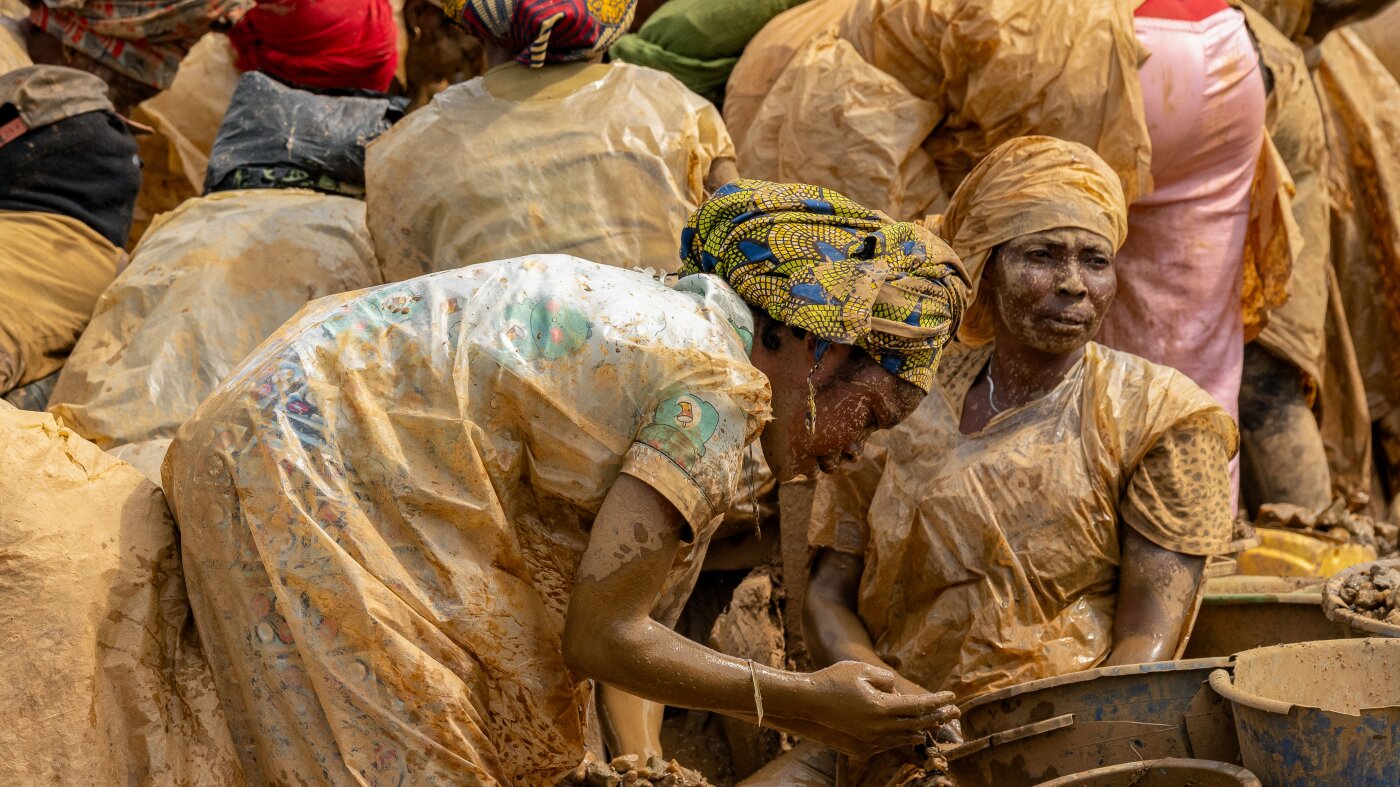
An Ebola outbreak in eastern Democratic Republic of Congo is testing health workers in Mongbwalu, a gold-mining town that the World Health Organization says is believed to be where the current spread began, though that has not been confirmed. NPR reported that the response is being slowed by shortages, fear of treatment centers and residents who doubt the disease is real.
Mongbwalu, in Ituri province, has about 130,000 residents and is one of the outbreak’s hot spots, according to NPR. The virus is believed to have spread from there across Ituri, including to Bunia, the provincial capital of more than 1 million people, with confirmed cases also reported in North Kivu, South Kivu and neighboring Uganda, NPR reported.
Early deaths fed confusion and rumors
Joseph Mute, a neighborhood leader in Mongbwalu’s Shuni area, told NPR he saw unexplained deaths before Congo’s government announced the outbreak. He said some victims had bleeding from the nose and mouth, symptoms that residents did not initially understand.
NPR reported that people in the town first blamed other illnesses or hazards common among poor miners, including tuberculosis, AIDS and mercury poisoning. A rumor also spread after mourners from Bunia arrived in Mongbwalu with a damaged coffin in February and relatives burned it in Shuni, which residents viewed as a violation of tradition. Mute told NPR some people believed the sickness came from the coffin’s flames, a claim he rejected.
According to Congo’s health ministry, the first known suspected case was a nurse who developed fever and vomiting on April 24. NPR reported that the nurse died in Bunia and was buried in Mongbwalu.
The health ministry said four health workers in Mongbwalu died within four days in early May. Initial Ebola tests by Congo’s National Institute for Biomedical Research were negative because scientists looked for the Zaire and Sudan species of the virus, NPR reported. The government declared an outbreak on May 15 after genomic sequencing identified the rarer Bundibugyo species.
By then, Mute told NPR, more than 50 people had died in Shuni. He pointed to homes whose occupants had died or left, saying the losses were painful.
Mining economy complicates containment
Congo’s health ministry said Mongbwalu and its surrounding area had 220 of the country’s 1,003 confirmed cases as of June 20. NPR reported that aid workers believe the official count is likely too low because many sick people avoid care and some probable Ebola deaths were not confirmed through testing.
Resistance to responders has also emerged, NPR reported. Some residents believe aid groups are spreading Ebola to make money, and funerals have become a point of tension. NPR reported that police this month used warning shots and tear gas to disperse a crowd trying to take the coffin of a suspected Ebola victim.
The town’s gold mines make containment harder, according to NPR. Miners work close together in muddy pits, washing and sifting ore, and many move between mining areas across eastern Congo. Bisimwa Biragi, a miner from South Kivu who said he was displaced by the conflict with M23 rebels backed by Rwanda, told NPR that people were afraid because many were dying.
Eastern Congo has endured decades of conflict and repeated displacement, NPR reported, with more than 900,000 people living in displacement camps in Ituri alone. Oxfam says only 20% of Mongbwalu residents have access to safe water, and one-quarter lack toilets or hygiene facilities.
Treatment center sees recoveries
NPR reported that Doctors Without Borders has set up an Ebola treatment center at Mongbwalu’s hospital, where ambulances bring suspected patients and teams disinfect vehicles. Around the town’s mining pits, NPR reported seeing no protective equipment, sanitation controls or medical oversight.
Despite widespread fear that Ebola means certain death, NPR reported that some patients are recovering. On June 16, hospital bookkeeper Florence Mangembo and a 3-year-old girl were discharged as staff sang and danced.
Mangembo told NPR she became infected after helping her sister, who had collapsed and was vomiting in a field. Her sister later died at the hospital, and relatives blamed Mangembo for insisting on medical care. Mangembo told NPR that the virus is real and said she was fortunate to survive.
This story draws on original reporting from NPR.