
Iranians weigh relief and doubts after US deal opens oil sales
A new Iran-US memorandum has eased some trade curbs, but Al Jazeera reports many Iranians see little immediate relief from inflation and disruption.
By James Whitfield · Staff Writer
4 min read
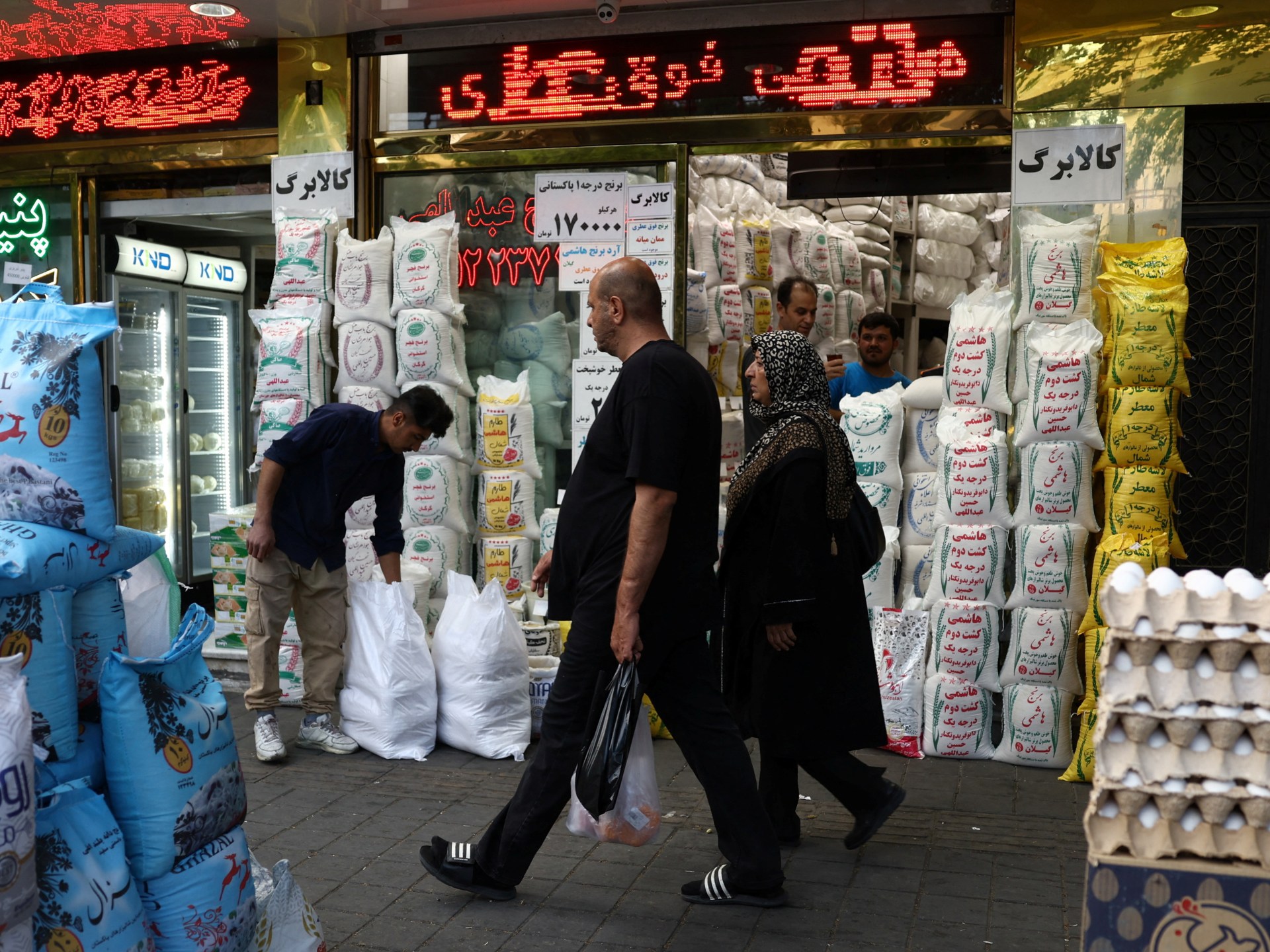
Iran’s new memorandum of understanding with the United States has begun to reopen limited economic channels, including oil sales and purchases of humanitarian goods. Al Jazeera reported that the deal has stirred cautious hope in Tehran while leaving many Iranians focused on inflation, business disruption and political resistance at home.
The agreement sets out a path toward a possible longer-term settlement after the war launched by the US and Israel nearly four months ago, according to Al Jazeera. Technical and political talks are still expected to continue for months.
One Tehran resident, identified by Al Jazeera as Ehsan, said the shift from daily air attacks to discussion of food purchases from the US was welcome, but that living standards were still falling. The comment reflected a wider view reported by Al Jazeera: relief over reduced pressure has not translated into day-to-day improvement.
Iran’s central bank governor, Abdolnaser Hemmati, said in a video message Tuesday that Tehran could buy US corn, wheat and other agricultural products if prices and quality were acceptable. Al Jazeera reported that the agreement does not require Iran to make such purchases.
The US Treasury has issued a general license tied to the memorandum that allows production, delivery and sale of Iranian crude oil, petrochemicals and petroleum products through Aug. 21, Al Jazeera reported. Payments to Iran for those transactions may be made in US dollar-denominated funds.
That could allow Iran to sell oil with fewer discounts and fewer indirect payment arrangements, according to Al Jazeera. The report said Iran has exported millions of barrels of oil already loaded on supercarriers in recent days, potentially bringing more money into the economy.
For ordinary Iranians, any benefit is unlikely to be quick. Al Jazeera reported that people continue to face some of the world’s highest inflation rates, especially for food and medicine.
The rial strengthened to 1.53 million against the US dollar by mid-June after falling to about 1.9 million in early May, according to Al Jazeera. On Wednesday, the open-market rate in Tehran stood at 1.64 million.
Iranian authorities said some maritime trade has resumed through southern ports, particularly for essential goods stuck in the United Arab Emirates, Al Jazeera reported. But the UAE, a major re-export hub for goods bound for Iran, has not fully reopened to Iranian traders since the war.
A merchant in Tehran’s Jomhouri district told Al Jazeera that his business had relied on new orders placed in the UAE and goods carried by passengers arriving from Oman. He said that arrangement could not support a business over time.
Economic uncertainty has been compounded by disruption in Iran’s banking system. Al Jazeera reported that several large lenders had in-person and online services interrupted this week, and card-based payments were widely disconnected Tuesday after what authorities described as a major cyberattack.
Many people had to use cash at petrol stations and grocery stores, and users reported problems including delayed employer payments and missed loan repayments, according to Al Jazeera. Officials said most problems were resolved by Wednesday.
Some Iranians speculated that Israel may have been involved, Al Jazeera reported, citing past suspected cyber operations and attacks on banks and a cryptocurrency exchange during last year’s 12-day war. Iranian authorities have not publicly blamed anyone.
The memorandum also faces pressure from hardline supporters of the Islamic republic. Al Jazeera reported that they have called for retaliation over the killing of Supreme Leader Ayatollah Ali Khamenei on the first day of the war and oppose concessions to Washington.
More than 50 hardliners in parliament plan to gather outside the legislature Sunday to protest its continued closure after the end of military attacks, according to Al Jazeera. They also object to being unable to pursue ministerial impeachments for months.
Iranian officials involved in the talks have presented the deal as consistent with strength rather than retreat. Speaker and chief negotiator Mohammad Bagher Ghalibaf told an Organisation of Islamic Cooperation meeting in Baku on Wednesday that Iran would proceed on a principle of reciprocal commitments, according to Al Jazeera.
This story draws on original reporting from Al Jazeera.