
Dharmendra Pradhan resignation follows youth protests over NEET
India’s education minister quit after youth protests over alleged NEET irregularities, in a movement centered on Jantar Mantar.
By James Whitfield · Staff Writer
3 min read
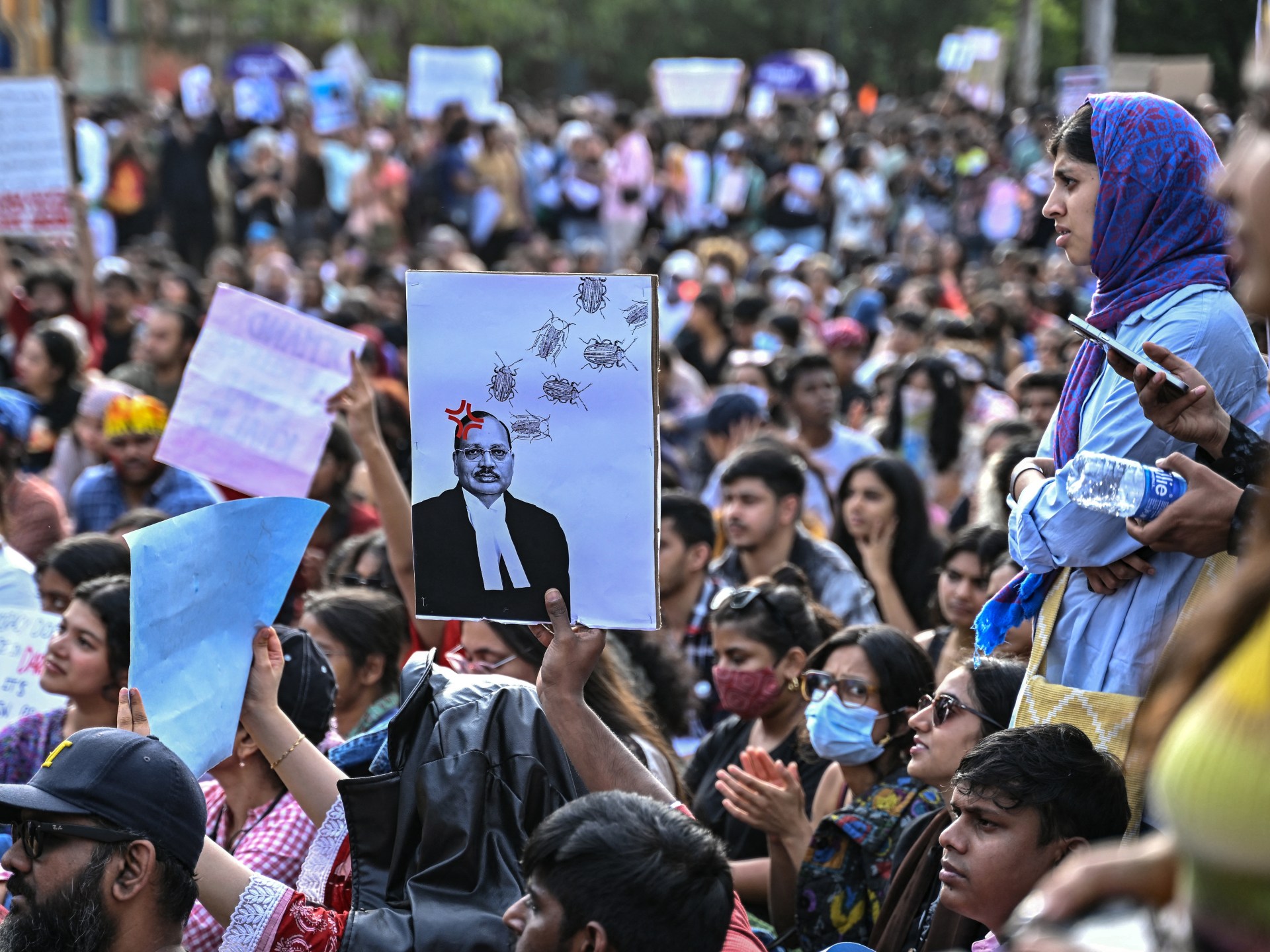
Dharmendra Pradhan’s resignation over alleged NEET irregularities followed weeks of youth protests in India, centered on New Delhi’s Jantar Mantar, according to Al Jazeera columnist Apoorvanand. The University of Delhi academic wrote that the dharmendra pradhan resignation neet episode became a wider confrontation over political accountability and the treatment of young Indians.
Pradhan, India’s education minister, stepped down after demonstrations linked to the NEET examination controversy, Al Jazeera reported. An AFP caption published by Al Jazeera said the Cockroach Janta Party, or CJP, ended its protest at Jantar Mantar after Pradhan’s resignation, and that the All India Students’ Association held a victory gathering in Bengaluru on July 26.
Why did Dharmendra Pradhan resign?
Al Jazeera tied Pradhan’s exit to alleged irregularities in the NEET examinations and the pressure generated by youth protests. NEET is a high-stakes entrance examination, and the controversy gave protesters a concrete demand for accountability, Apoorvanand wrote.
The columnist argued that the movement was not aimed only at the education minister. In his account, many protesters treated Pradhan’s resignation as a concession from Prime Minister Narendra Modi’s government rather than as a routine administrative response.
Apoorvanand described Jantar Mantar as the main protest site, with thousands of young people gathering there over several weeks. He wrote that the demonstrations relied heavily on handmade placards, digital satire, memes and social media rather than a single central organization or professionally produced campaign material.
The name Cockroach Janta Party came after India’s chief justice publicly compared unemployed young people to “cockroaches,” according to Apoorvanand. He said protesters adopted the insult as a form of counter-humour and used it to focus anger over unemployment, examinations and government conduct.
Another turning point, in Apoorvanand’s account, was the fast by Sonam Wangchuk at Jantar Mantar. He wrote that the government first ignored Wangchuk and later removed him by force, a move that protesters viewed as an insult to their own citizenship.
The protests escalated on July 20, when young demonstrators marched toward parliament, according to Apoorvanand. He wrote that Delhi police used barricades, prohibitory orders and force against the marchers, but that many protesters returned to Jantar Mantar afterward.
Apoorvanand said the protesters avoided violence and instead used language, images and satire to challenge Modi’s public image. He cited one slogan, “We are not your friends,” as a response to Modi addressing young people as “friends” on social media.
The columnist presented the protests as a challenge to the idea that young Indians are politically disengaged. He argued that the movement showed a generation using phones, social platforms and humour as political tools while demanding accountability from elected leaders.
Al Jazeera published the essay on July 29 and noted that the views expressed were the author’s own. Apoorvanand teaches Hindi at the University of Delhi and writes on literary and cultural issues.
This story draws on original reporting from Al Jazeera.