
Brent crude rises after US attacks Iranian targets
Oil prices climbed after US strikes on Iran and a sanctions waiver revocation sharpened fears over shipping through the Strait of Hormuz.
By Daniel Okafor · Business Editor
3 min read
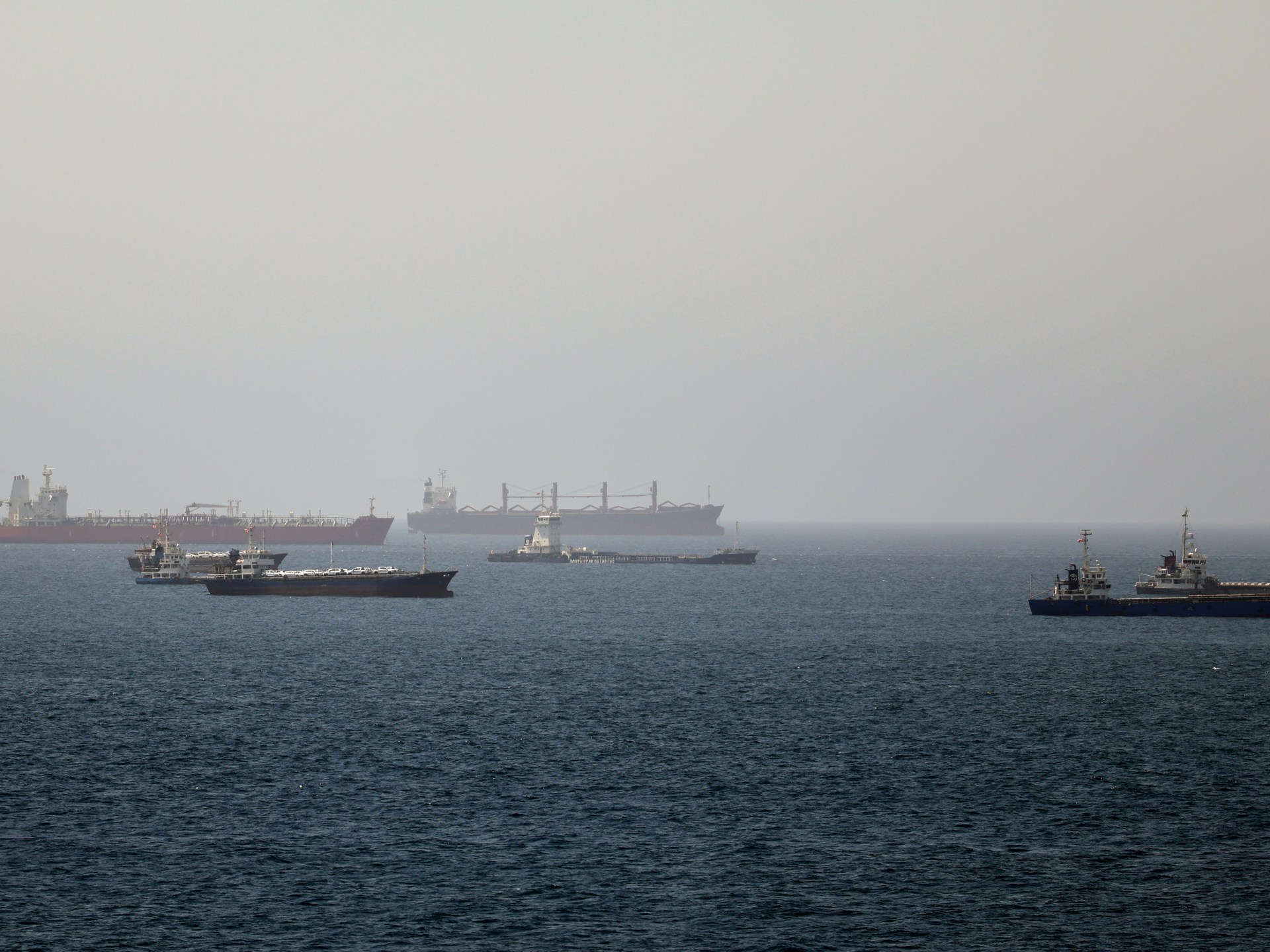
Oil prices rose Wednesday after the United States struck Iran and pulled back a temporary sanctions waiver on Iranian oil, moves that raised fresh concern about shipments through the Strait of Hormuz. Al Jazeera reported that the increase reversed a recent fall that had taken crude back to levels seen before the latest war.
Brent crude, the global benchmark, gained as much as 3 percent, according to Al Jazeera. Brent futures for September were at $76.07 a barrel at 04:00 GMT, the highest level since June 23, Al Jazeera reported.
The price move followed US attacks on Iran after three commercial ships were hit in the Strait of Hormuz, Al Jazeera reported. US, Qatari and Saudi officials blamed Iran for the vessel attacks, while Tehran has not directly said it carried them out.
US Central Command said on X that it had started a series of strikes intended to impose costs on Iran for attacks on commercial shipping crews in an international waterway. Al Jazeera’s live updates also reported that the US said more than 80 targets were hit in retaliatory attacks, and that Iran vowed a “crushing response” after US bombing of Qeshm, Sirik and Bandar Abbas.
Al Jazeera reported that air raid sirens sounded in Bahrain and Kuwait. The developments put new strain on a ceasefire that had offered some relief to energy markets.
Hormuz dispute returns to the center
The Strait of Hormuz is a key route linking Gulf oil exporters to the Arabian Sea. Al Jazeera reported that Iran has repeatedly warned ships not to use routes through the waterway unless Tehran has approved them.
Iranian Deputy Foreign Minister Kazem Gharibabadi said Tehran would take “decisive actions to safeguard its national interests and security” after Washington revoked the sanctions waiver, according to Al Jazeera. He called the US decision a “blatant violation” of a June 17 memorandum of understanding between Washington and Tehran.
Tony Sycamore, a senior market analyst at IG Australia, said in a client note cited by Al Jazeera that the memorandum used vague language on control of the strait and management of ship traffic. Sycamore said the US and Iran had not resolved their disagreement over whether the strait is an international waterway or partly Iranian territorial waters.
Sycamore said it was unclear whether the US strikes would end the latest escalation quickly or whether Iran would keep using its leverage over the strait without setting off a wider conflict, according to Al Jazeera. He said the situation would keep markets uneasy and suggested crude prices had found a floor for now.
Waiver withdrawn ahead of schedule
The US Treasury Department revoked a 60-day sanctions waiver for Iranian oil late Tuesday, Al Jazeera reported. The department had authorized Iranian oil sales until August 21 as part of wider talks with Tehran, but a Treasury statement said transactions will no longer be allowed after 12:01 a.m. EDT, or 04:01 GMT, on July 17.
The Treasury order also ended permission for new transactions, including purchases or loading, after Tuesday, according to Al Jazeera.
Saul Kavonic, head of energy research at MST Marquee, told Al Jazeera that he expected oil prices to stay high while risks remain in the strait and emergency oil stockpile releases wind down. Kavonic said Iran intends to cement control over the Strait of Hormuz in the coming weeks, a position he said the US, many Gulf states and global customers would reject.
Kavonic said passage through the strait could remain below 50 percent of pre-war levels for many months, with periodic flare-ups in fighting, according to Al Jazeera.
This story draws on original reporting from Al Jazeera.