
At-Tuwani settler attack leaves West Bank village on guard
Residents told Al Jazeera masked settlers burned property and sprayed graffiti in the occupied West Bank village of at-Tuwani.
By James Whitfield · Staff Writer
3 min read
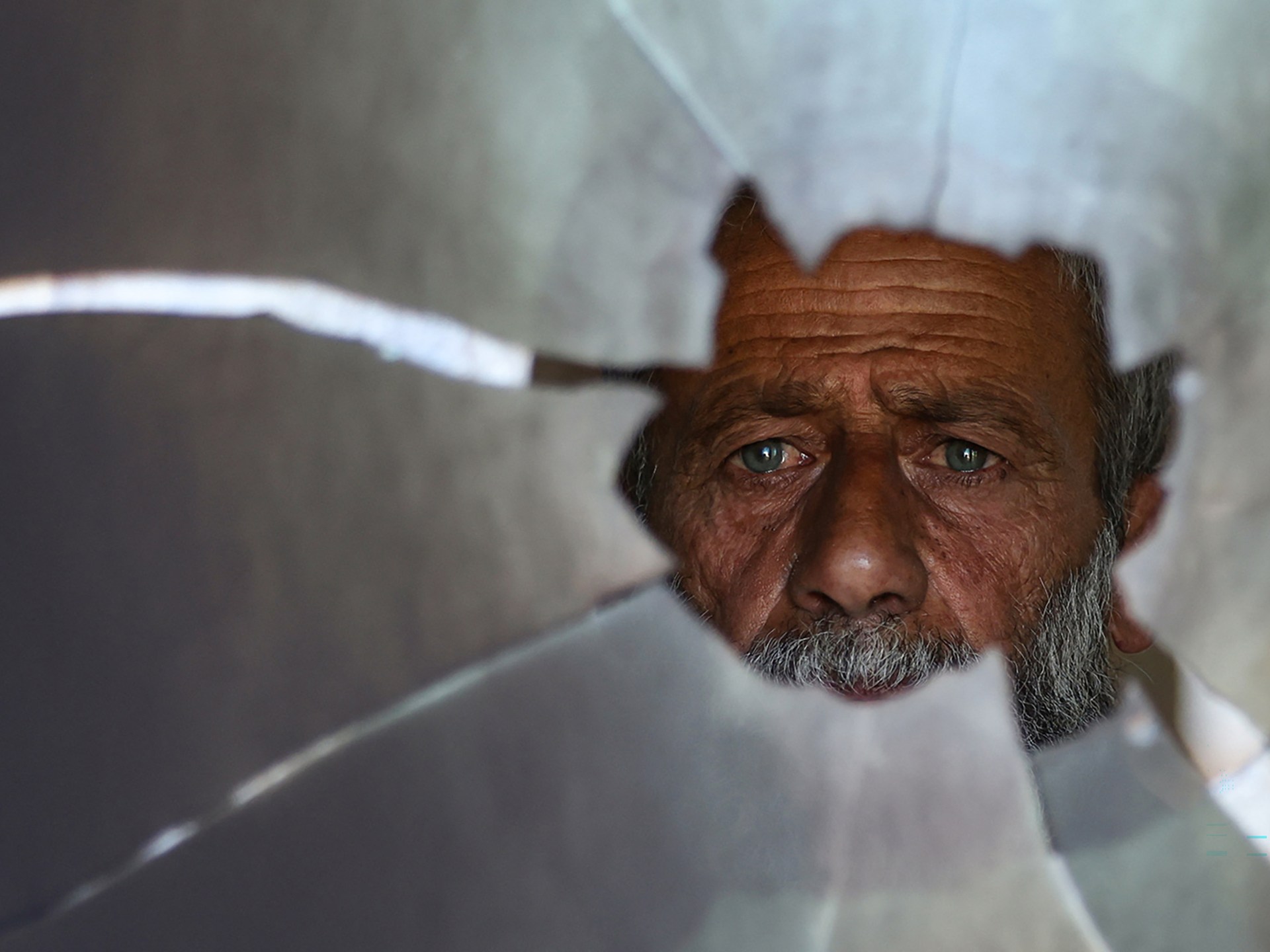
Residents of at-Tuwani in the occupied West Bank say a settler attack on July 19 set fire to parts of their village and left families keeping watch at night. The incident matters because it fits into a wider rise in settler violence recorded this year by the United Nations Office for the Coordination of Humanitarian Affairs.
Al Jazeera reported from at-Tuwani, a village of just over 200 people in Masafer Yatta, that residents described 30 to 40 masked settlers entering the community shortly after midnight. The village lies in Area C, the part of the occupied West Bank under full Israeli military control.
What happened in the at-Tuwani settler attack?
Khadera Ima, 72, told Al Jazeera she was sleeping on her roof to escape the summer heat when she heard shouting below. She said she saw masked settlers move through the village, setting fire to a factory, a mosque and homes, and throwing petrol and stones at her house.
Ima said a neighbour’s car was burned, a front door was smashed, and graffiti was sprayed on walls. Al Jazeera reported that days later, a Star of David remained on the mosque and the Hebrew word for “revenge” was visible on the side of a home.
The family of Ima’s pregnant daughter-in-law told Al Jazeera she miscarried after the attack. Al Jazeera also quoted 21-year-old Adam al-Adara, who said residents tried to put out fires with soil and moved children farther inside the village while others confronted the attackers.
Residents told Al Jazeera the attack lasted about 10 minutes before villagers pushed the settlers out. They said people stayed awake afterward because they feared the settlers would come back.
Why at-Tuwani is under pressure
At-Tuwani sits at the entrance to Masafer Yatta in the South Hebron Hills. Sami Huraini, a village council member and field researcher who documents settler attacks in the area, told Al Jazeera the July 19 attack was an escalation in a long-running campaign of pressure on Palestinians there.
Huraini pointed to settler violence, Israeli military raids, demolition orders, land confiscation and building restrictions as parts of the pressure faced by residents. He also told Al Jazeera that Palestinians have little chance of obtaining Israeli building permits in the area, leaving structures at risk of demolition.
The village is just outside Firing Zone 918, an area Israel designated as a military training ground in the 1980s, Al Jazeera reported. A 1981 Israeli government transcript cited by Al Jazeera records Ariel Sharon, then chair of a settlements committee, saying the designation was meant to restrict the expansion of Arab villagers from the hills toward the desert.
In May 2022, Israel’s Supreme Court allowed the expulsion of about 1,000 Palestinians living inside the firing zone, according to Al Jazeera. During demolitions carried out by the military in 2025, most of the hamlet of Khallet al-Daba was destroyed, leaving many residents homeless, Al Jazeera reported.
How common is settler violence in the West Bank?
OCHA documented an average of six settler attacks per day causing casualties or property damage during the first five months of 2026, with more than 1,000 incidents across more than 230 communities, Al Jazeera reported. Israeli rights group B’Tselem said 63 Palestinian communities in the occupied West Bank had been forcibly displaced between October 2023 and June 2026.
OCHA maps about 20 Israeli settlements and outposts in the Masafer Yatta area, all considered illegal under international law, according to Al Jazeera. Residents told Al Jazeera that some settlers involved in the July 19 attack came from Havat Maon, an outpost bordering at-Tuwani.
Residents said settlers returned on July 20 with assault rifles and approached homes that had been attacked, and that settlers came again on July 24 with military escort to hold an annual prayer in a privately owned Palestinian garden. Huraini told Al Jazeera the village has responded by installing cameras and keeping overnight watch, while insisting residents do not plan to leave.
This story draws on original reporting from Al Jazeera.