
Amnesty alleges RSF crimes against humanity in Sudan's el-Fasher
Amnesty International says Sudan's RSF carried out ethnic cleansing and other crimes during its assault on el-Fasher in Darfur.
By James Whitfield · Staff Writer
2 min read
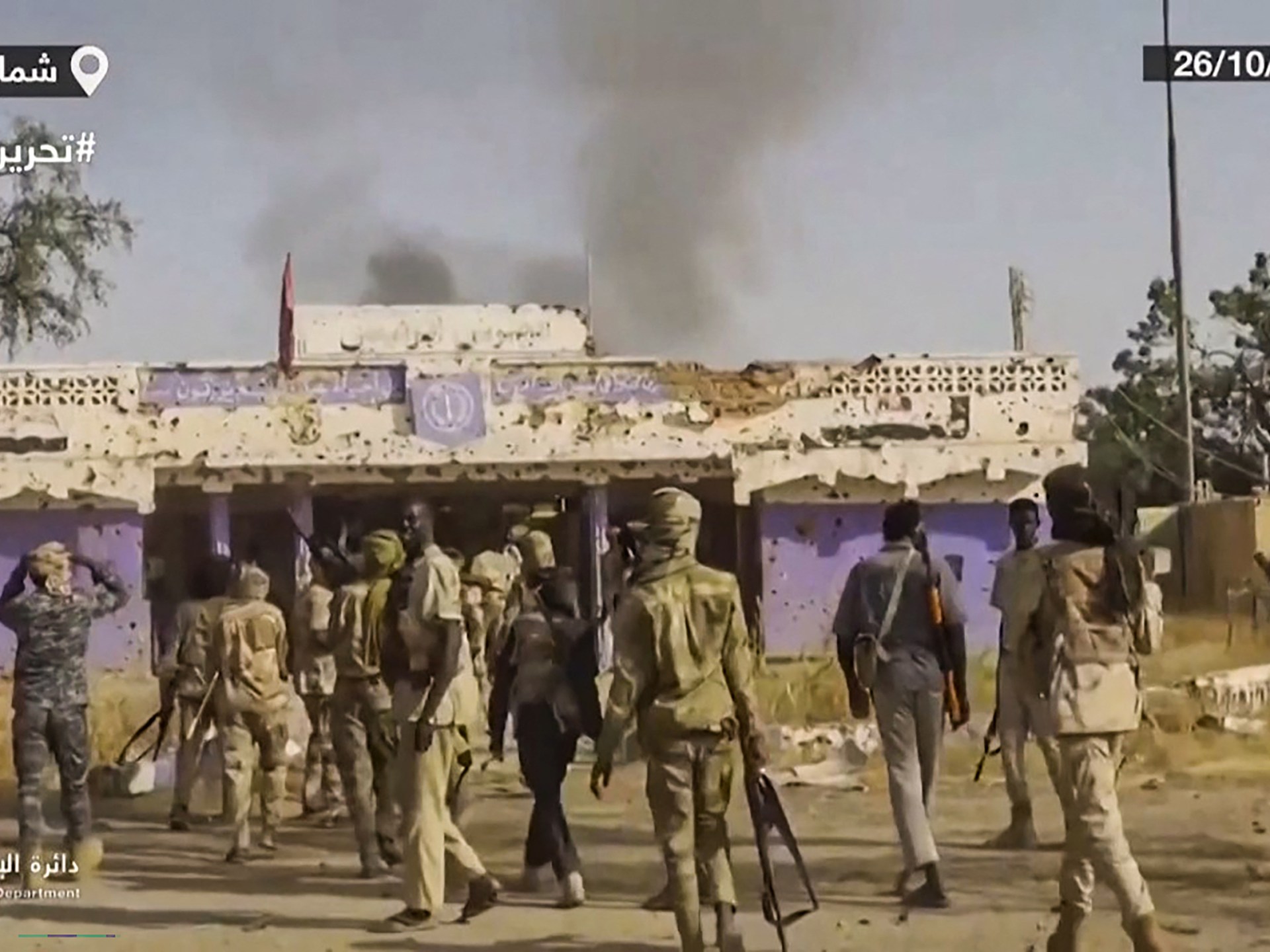
Amnesty International has accused Sudan’s paramilitary Rapid Support Forces of committing crimes against humanity and ethnic cleansing during attacks on el-Fasher between early 2024 and October 2025. The findings add to mounting international allegations of atrocities in North Darfur’s capital as Sudan’s war continues to devastate civilians.
In a report released Wednesday, Amnesty said civilians in and around el-Fasher were killed, wounded, beaten, tortured and detained during the RSF campaign. The rights group said the alleged crimes included murder, forced displacement, imprisonment, torture, rape, sexual slavery, enslavement, extermination and persecution.
Amnesty said it based the report on interviews with 246 people, including 208 survivors. Those survivors included 169 adults and 39 children who had witnessed or experienced conflict-related abuses, according to the group.
The report said RSF forces repeatedly attacked towns and villages around el-Fasher that were mainly home to members of the Zaghawa ethnic group. Amnesty described the pattern as ethnic cleansing and said children, older people and people with disabilities faced severe risks, including attacks, abandonment and being cut off from aid.
Sudan has been at war since April 2023, when fighting broke out between the national army and the RSF. The conflict has killed tens of thousands of people and displaced nearly 14 million others, according to the United Nations.
Both the army and the RSF have faced accusations of atrocities. A UN independent fact-finding mission said in February that the 2025 assault on el-Fasher bore the “hallmarks of genocide.”
Amnesty said the RSF besieged el-Fasher from May 2024 until October 2025, limiting food and humanitarian access while shelling the city nearly every day. The siege helped drive famine conditions, and residents were forced to eat ambaz, a peanut oil byproduct usually used as animal feed, the group said.
After the RSF launched its final offensive on el-Fasher on October 26, 2025, Amnesty said hundreds of civilians were executed and many others were tortured or detained. One 58-year-old woman told the group she saw nearly 1,000 bodies, including children.
Agnes Callamard, Amnesty International’s secretary-general, called the RSF campaign a “war on civilians.” She said the world had been warned about what civilians faced under the siege, calling the outcome “a stain on the conscience of humanity.”
Callamard urged an immediate nationwide ceasefire and called for an independent, well-resourced international force to be sent to Sudan to protect civilians from crimes by all parties. Without urgent international action, she said, attacks on civilians and the suffering of children would continue.
This story draws on original reporting from Al Jazeera.